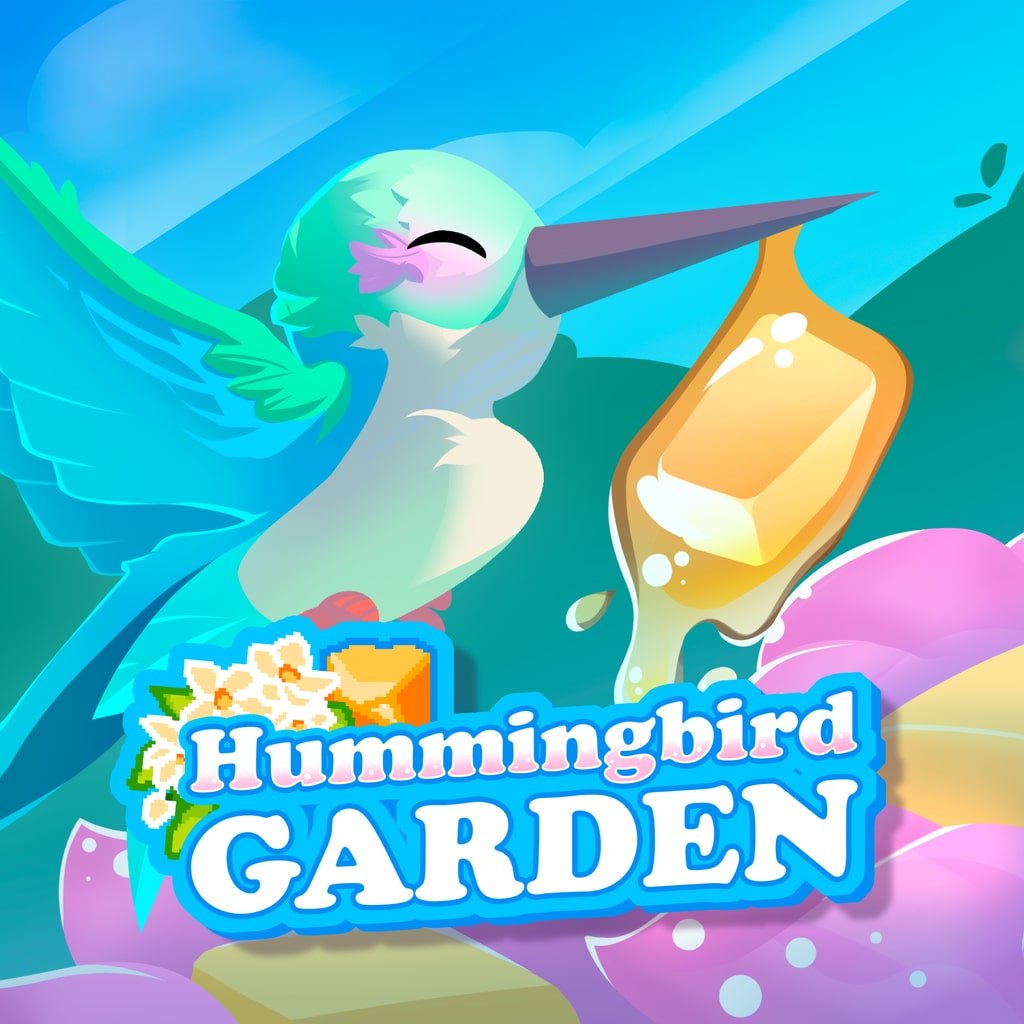
Hummingbird Garden is a tranquil, nature-focused simulation experience that prioritises calm observation, gentle progression, and mindful interaction over traditional challenge or competition. Rather than presenting players with rigid objectives or demanding systems, the game invites them to cultivate a peaceful garden space designed specifically to attract hummingbirds, encouraging patience, creativity, and an appreciation for small details. It is a game that deliberately slows the pace, offering a digital retreat from louder, more mechanically dense titles.
At its core, Hummingbird Garden is about presence. The satisfaction it provides does not come from overcoming difficulty spikes or mastering complex mechanics, but from watching a carefully tended environment come to life. For players drawn to cosy games, nature simulations, or low-pressure creative spaces, it positions itself as a soothing alternative to more demanding management or simulation titles.
Core Gameplay Loop
The central gameplay loop of Hummingbird Garden revolves around designing, nurturing, and observing. Players begin with a modest outdoor space and gradually transform it by planting flowers, placing feeders, and arranging decorative elements that influence which hummingbirds visit the garden. Each species has subtle preferences related to colour, flower type, and layout, encouraging thoughtful experimentation rather than optimisation.
Interaction is intentionally minimal. There are no strict time limits, no fail states, and no penalties for inefficiency. Instead, the game rewards curiosity and attentiveness. Place a new flower, wait, observe which birds appear, and adjust the environment accordingly. Progress unfolds organically, with new plants, tools, and cosmetic options unlocking as players spend time refining their garden.
This gentle loop makes Hummingbird Garden particularly well suited to short, relaxed play sessions. It is a game that can be enjoyed passively, running in the background, or engaged with more deliberately when players want to experiment with layouts and combinations.
Progression and Systems
Progression in Hummingbird Garden is understated but purposeful. Unlocks are tied to observation milestones—discovering new bird species, maintaining a healthy environment, or experimenting with different garden compositions. Rather than pushing players forward aggressively, the game allows progress to occur naturally, reinforcing its laid-back philosophy.
There is no traditional economy to manage. Resources are abundant enough to encourage creativity without removing the sense of gradual growth. This approach ensures that players are rarely blocked or frustrated, though it also means there is little in the way of strategic tension.
While some players may wish for deeper systems—such as more complex species behaviours or environmental simulation—the game’s restraint feels intentional. Hummingbird Garden is designed as a place to unwind, not a system to master.
Visual Presentation
Visually, Hummingbird Garden is one of its strongest elements. The art style is soft, colourful, and inviting, capturing the delicate beauty of hummingbirds and flowering plants without veering into photorealism. Environments are vibrant but not overstimulating, using gentle lighting and natural colour palettes to create a calming atmosphere.
Hummingbird animations are particularly well handled. Their rapid wing movements, hovering behaviour, and darting flight paths feel lively and authentic, adding a sense of wonder as they interact with the garden. Watching birds approach a feeder or flit between flowers is quietly captivating, and the game frequently rewards patience with these small, delightful moments.
The interface is clean and unobtrusive. Menus fade into the background, ensuring that the focus remains on the garden itself rather than on management screens or UI elements.
Audio and Atmosphere
Audio design plays a crucial role in establishing Hummingbird Garden’s tone. The soundtrack is minimal and soothing, often blending into ambient nature sounds such as wind, rustling leaves, and distant birdsong. Music rarely demands attention, instead acting as a gentle backdrop that supports relaxation.
Sound effects are subtle but effective. The soft hum of wings, gentle chimes when new species appear, and environmental ambience all contribute to a sense of immersion. Silence is used deliberately, allowing players to sit with the garden and observe without constant auditory stimulation.
Together, the audio and visuals create an experience that feels meditative, making the game particularly effective as a stress-relief tool.
Pacing and Player Engagement
Pacing in Hummingbird Garden is entirely player-driven. There are no objectives that must be completed within a set timeframe, and the game never pressures players to act quickly. This open-ended structure allows individuals to engage at their own rhythm, whether that means active experimentation or passive observation.
However, this design choice also limits engagement for players who prefer clear goals or structured challenges. Once the majority of bird species have been discovered and the garden reaches a stable state, the experience can begin to plateau. At that point, continued enjoyment depends largely on the player’s appreciation for atmosphere and aesthetics rather than progression.
Accessibility and Audience
Hummingbird Garden is highly accessible. Controls are simple, systems are easy to understand, and the lack of failure states makes it welcoming to players of all skill levels. It is particularly suitable for younger players, casual gamers, or anyone seeking a calming, non-demanding experience.
The game’s simplicity also makes it a good entry point into simulation or creative titles for players who may be intimidated by deeper management games. However, experienced simulation fans may find the systems too light to sustain long-term interest.
Replayability and Longevity
Replay value is modest but appropriate for the genre. While there is little incentive to restart once most content has been unlocked, the game encourages revisiting the garden over time, making small changes and enjoying the evolving environment.
Hummingbird Garden feels less like a traditional game and more like a digital space to return to when the mood strikes. Its longevity is tied not to content volume, but to how effectively it fulfils its role as a calming experience.
Strengths and Weaknesses
Strengths
- Beautiful, calming visual presentation
- Gentle, stress-free gameplay loop
- Excellent hummingbird animations
- Relaxing audio and ambient sound design
- Highly accessible and easy to enjoy
Weaknesses
- Limited mechanical depth
- Minimal challenge or structured objectives
- Progression can plateau over time
Final Verdict
Hummingbird Garden succeeds by staying true to its purpose. It is not a game designed to challenge, compete, or overwhelm, but one that offers a peaceful digital environment centred on observation and creativity. Its charm lies in small moments—watching a new bird arrive, seeing the garden flourish, or simply enjoying a quiet scene.
For players seeking relaxation, mindfulness, or a cosy escape, Hummingbird Garden is a thoughtful and well-crafted experience. Those looking for deeper systems or long-term strategic engagement may find it too gentle, but within its chosen niche, it delivers exactly what it sets out to do.