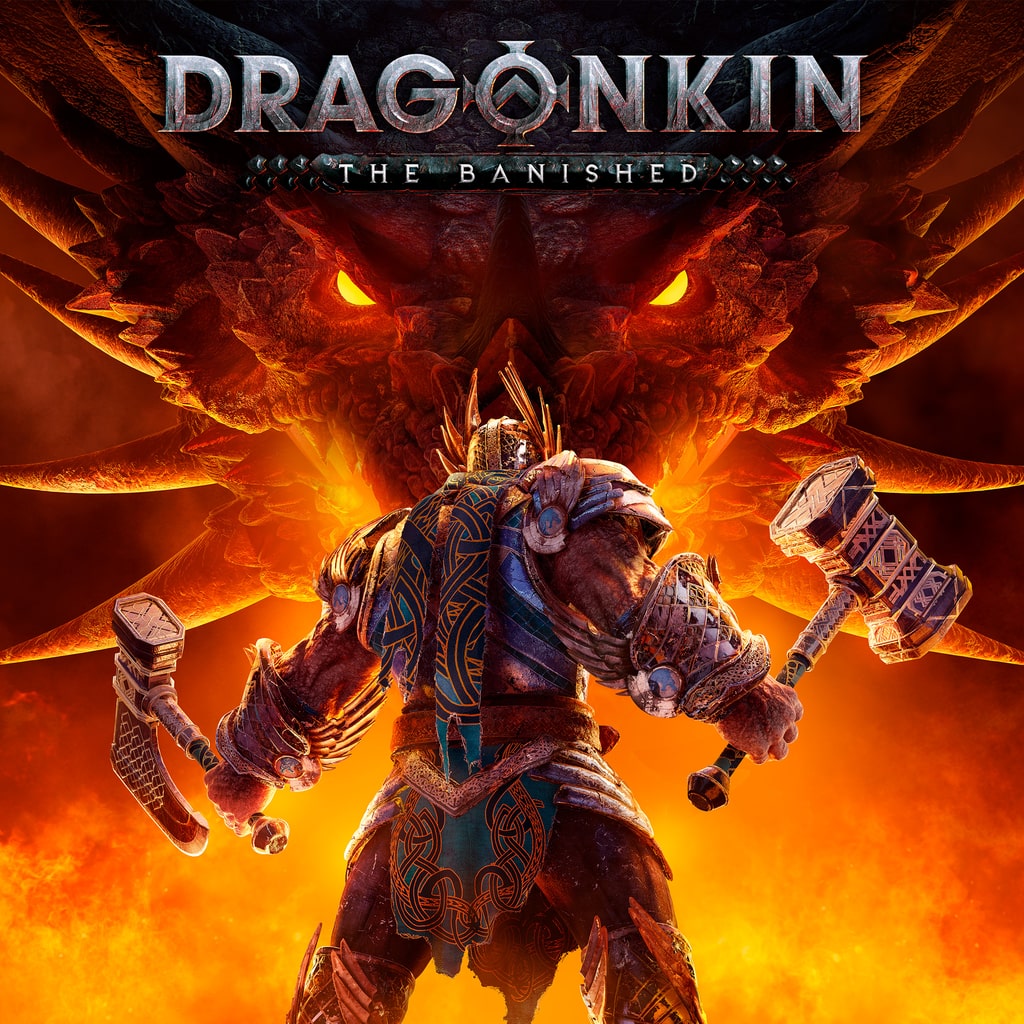
After a year of development in Early Access, Dragonkin: The Banished launches in its complete 1.0 version with a clear goal: to establish a presence in the crowded action RPG genre dominated by giants, while emphasising co-op play and experimental progression systems. Created by Eko Software—best known for Warhammer: Chaosbane—this dragon-scorched adventure feels both familiar and quietly adventurous. The outcome is a game that doesn’t entirely revolutionise the genre, but confidently builds on it in ways that make it worth your time—particularly with friends.
A World Drenched in Dragon Blood
The premise is simple but effective. The world has been tainted by dragon blood, giving rise to monstrous creatures and mighty Dragon Lords who serve as both narrative anchors and endgame targets. You assume the role of one of four heroes, each representing a classic archetype with a draconic twist.
What immediately stands out is the tone. Dragonkin: The Banished embraces a dark, almost mythic atmosphere, with environments that seem scarred rather than merely “dark.” From toxic swamps to volcanic wastelands, each biome is visually distinct, even if the level design sometimes becomes predictable. There’s a clear effort to imbue each region with a sense of history and decay, although storytelling is mainly environmental and occasionally underdeveloped.
The central hub, Montescail, functions as more than just a resting point—it’s a living system. As you progress, you influence the city’s development, unlocking vendors, upgrades, and passive bonuses. It’s not as intricate as a full city-builder, but it adds a satisfying meta-layer that links your progress to something tangible.
Combat That Finds Its Rhythm
Combat is where Dragonkin settles into its groove. It’s fast, weighty, and visually clear—an important balance for any ARPG. Each of the four classes offers a distinct playstyle.
- The Tracker thrives on precision, traps, and poison-based attrition.
- The Barbarian is a powerhouse, blending brute force with icy abilities.
- The Oracle channels lightning with surgical control and AoE bursts.
- The Knight plays the role of a durable frontline fighter with fire-infused attacks.
None of these archetypes are revolutionary, but they are well executed. Abilities feel impactful, animations are smooth, and enemy design encourages you to stay mobile and reactive. Elemental interactions—fire, ice, poison, electricity—add tactical variety, especially during tougher encounters.
Where the game truly excels is in co-op. Up to four players can explore the entire experience together, and the synergy between classes significantly enhances the combat. Coordinating abilities, combining crowd control with burst damage, and reviving teammates amid chaos creates the kind of emergent moments ARPG fans seek. Solo play is entirely feasible, but the game genuinely comes alive in multiplayer.
The Ancestral Grid: A Smart Evolution
The standout feature—and arguably Dragonkin’s greatest innovation—is the Ancestral Grid system. Instead of a traditional skill tree, abilities are treated as loot that can be slotted into a grid alongside modifiers. Placement matters, and optimising your layout becomes a strategic puzzle.
This system strikes a balance between accessibility and depth. It’s intuitive enough to understand early on, but as your collection of skills and modifiers expands, so does the complexity. You’re constantly adjusting, experimenting, and refining your build—not just seeking better gear but better synergy.
It’s reminiscent of systems seen in other ARPGs, but with a tactile, almost board-game-like twist. Each hero has their own grid, encouraging experimentation across multiple characters. This adds replayability without feeling like a grind for its own sake.
Loot, Progression, and Endgame
Loot remains at the heart of the experience. Weapons, armour, and skill drops occur frequently, creating a satisfying loop of “one more run” as you seek better stats and new abilities. The introduction of the Wyrmling companion system adds an extra layer of progression, though it sometimes feels underdeveloped compared to the grid.
Endgame content focuses on hunting Dragon Lords and facing increasingly tough encounters. It’s solid, if not revolutionary. There’s enough here to keep dedicated players engaged, but it lacks the variety or long-term hooks seen in genre leaders.
Nevertheless, the foundation is strong. Considering the game’s Early Access history, it’s easy to imagine future updates expanding this area significantly.
Where It Falls Short
Despite its strengths, Dragonkin: The Banished has flaws. One of its weaknesses is narrative depth. While the world is captivating, characters and story moments often fail to leave a strong impression. The dialogue can seem practical rather than engaging, and key moments sometimes lack emotional impact.
Enemy variety, though reasonable, can become repetitive over time. You encounter variations of familiar foes more frequently than entirely new threats, which slightly diminishes the sense of discovery in later stages.
There are also occasional technical issues—minor bugs, animation glitches, and UI quirks—that serve as reminders of its Early Access status. While none are game-breaking, they slightly detract from the overall polish.
Final Verdict
Dragonkin: The Banished is a confident, enjoyable ARPG that builds on familiar foundations while introducing just enough new ideas to stand out. Its Ancestral Grid system is a real highlight, offering a fresh approach to character progression, and its co-op gameplay is where it truly shines.
Although it doesn’t quite reach the narrative depth or endgame complexity of the genre’s top-tier titles, it more than makes up for it with solid combat, rewarding customisation, and a clear sense of identity.
For players who enjoy experimenting with builds, teaming up with friends, and carving through hordes of enemies in a dark fantasy setting, this is an easy recommendation.