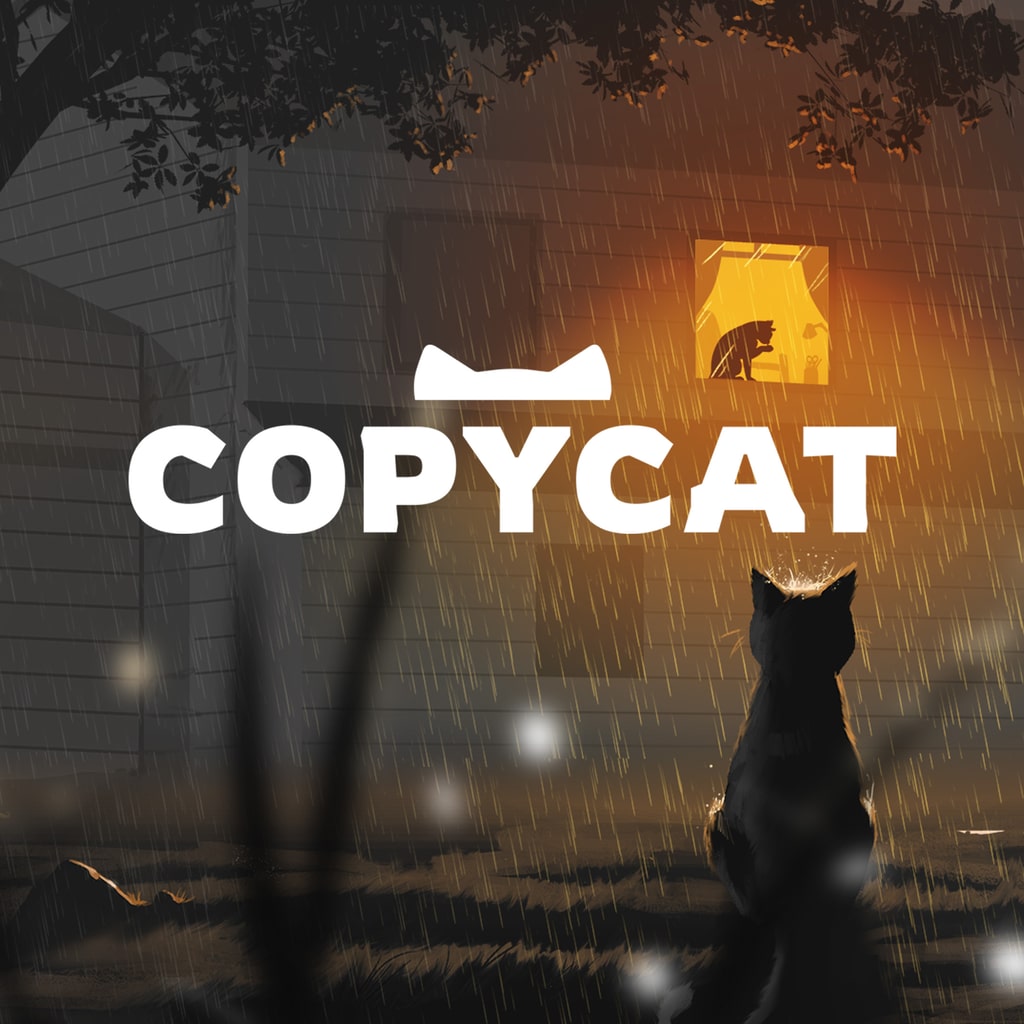
Countless games try to capture the emotional bond between humans and animals, yet few approach the subject with the tenderness and honesty of Copycat. Developed by the Australian indie studio Spoonful of Wonder, this intimate narrative adventure takes the simple premise of a cat finding a home and turns it into a heartfelt exploration of loneliness, grief, belonging, and what family means. It may look like a charming story about a stubborn shelter cat, but beneath its colourful presentation lies a surprisingly mature tale of two broken souls learning to heal together.
At the centre of Copycat is Dawn, a sceptical shelter cat who believes she does not belong with humans. Unlike the typical playful kitten often seen in family-friendly adventures, Dawn is independent, defensive, and convinced she is a wild animal trapped in a world that does not understand her. Her only goal is to escape, returning to the freedom of the streets where she believes she truly belongs. However, everything changes when she meets Olive, an elderly Australian woman grappling with the disappearance of her beloved pet and the quiet emptiness that follows loss.
The relationship between Dawn and Olive is where Copycat truly shines. Their bond does not develop instantly or through forced storytelling shortcuts. Instead, it grows naturally through small moments of trust, affection, and companionship. Olive needs Dawn just as much as Dawn needs Olive, and watching these two unlikely companions slowly become a family is one of the game’s most touching achievements.
Seeing The World Through A Cat’s Eyes
One of Copycat’s greatest strengths is how effectively it captures a cat’s personality. While the game is built around a simple adventure structure, the small interactive moments are rich in detail that will feel immediately familiar to anyone who has ever shared their home with a feline companion. Dawn is curious, mischievous, unpredictable, and occasionally determined to cause complete chaos for no reason other than because she can.
Exploring Olive’s home lets players experience everyday life from a much smaller perspective. Counters become towering obstacles, furniture transforms into climbing opportunities, and ordinary household objects become irresistible sources of entertainment. Knocking items over, squeezing through tight spaces, and investigating every corner of the environment feel like a genuine attempt to understand how cats see the world around them.
The game’s presentation plays a major role in making these moments work. The colourful environments are warm and inviting, filled with personality and charm. From cosy indoor spaces to Australian streets and alleyways, every location feels designed to evoke emotion rather than simply providing a backdrop. Copycat understands that home is not just a physical place, but a collection of memories, smells, routines, and connections.
A Story That Goes To Unexpected Places
While Copycat’s opening hours suggest a gentle, relaxing adventure, the narrative gradually grows heavier. The arrival of a stray copycat changes everything, as Dawn suddenly finds herself replaced and pushed back onto the streets. What follows is not simply a journey home, but an emotional exploration of abandonment and the fear of being forgotten.
The game does not shy away from difficult subjects. Themes of loneliness, ageing, illness, grief, and rejection are handled with surprising sensitivity. Olive’s struggles are not reduced to simple background details, and Dawn’s experiences on the streets carry genuine emotional weight. The story constantly challenges what makes somewhere a home and whether belonging comes from a place or from the people who make us feel loved.
A particularly effective storytelling device is Dawn’s internal narration. Her thoughts offer insight into her fears, stubbornness, and shifting perspective throughout the adventure. The writing captures the strange mix of independence and vulnerability that defines cats, creating a protagonist who feels authentic despite being a fictional animal.
The documentary-style narration also adds a distinctive flavour to the experience. Presented almost like a wildlife documentary, it creates a fascinating contrast between the humorous observations of feline behaviour and the much deeper emotional journey unfolding beneath the surface.
Simple Gameplay With A Powerful Purpose
Copycat is not a game built around complex mechanics or challenging systems. Instead, gameplay primarily serves the narrative experience. Players will explore environments, complete simple platforming sections, sneak through areas, and take part in occasional mini-games that reflect Dawn’s life as a cat.
For some players, the simplicity may feel limiting. Those expecting something closer to the open-ended exploration of games like Stray may find Copycat’s structure far more linear. The gameplay rarely pushes boundaries, and certain sections can feel more like interactive storytelling moments than traditional game challenges.
However, this simplicity also allows the emotional moments to breathe. Copycat is not interested in distracting players with complex progression systems or unnecessary mechanics. The focus remains firmly on Dawn’s journey and the relationship at the heart of the story.
The pacing is deliberately reflective, encouraging players to slow down and appreciate quieter moments. Watching Dawn sit beside Olive, explore a familiar room, or simply exist in a safe space can be more meaningful than any traditional gameplay reward.
A Beautiful Debut Filled With Heart
As a small indie project, Copycat occasionally shows its limitations. Some character animations lack polish, and the human characters can appear less refined than Dawn herself. At times, the visual quality feels uneven, reminding players that this is a passion project by a small team rather than a large-studio production.
Yet these imperfections are easy to overlook because the heart behind the game is impossible to miss. Copycat succeeds because it understands its purpose. It is not trying to compete with blockbuster adventures or redefine the genre. Instead, it seeks to tell a sincere story about connection and the emotional impact animals can have on our lives.
The fully voiced performances, gentle soundtrack, and expressive animation work together to create a personal experience. The game feels like it was made by people who genuinely understand the relationship between pets and their owners, capturing both the silly moments and the deeply emotional ones.
Final Verdict
Copycat is a beautiful little adventure that proves games do not need enormous worlds or complex mechanics to leave an impression. Through the eyes of Dawn, players experience a touching story about love, loneliness, and the search for a place where they truly belong. It is a game about a cat, but more importantly, it is about the connections that make life meaningful.
The gameplay may be simple, and some technical rough edges keep it from perfection, but the emotional journey more than makes up for these shortcomings. Copycat offers a warm, thoughtful, and occasionally heartbreaking experience that will resonate most strongly with animal lovers and with anyone who understands the comfort of companionship.
Like the pets that quietly change our lives, Copycat has a bigger impact than you might expect. It is a gentle reminder that home is not always where we start, but where we find someone waiting for us.