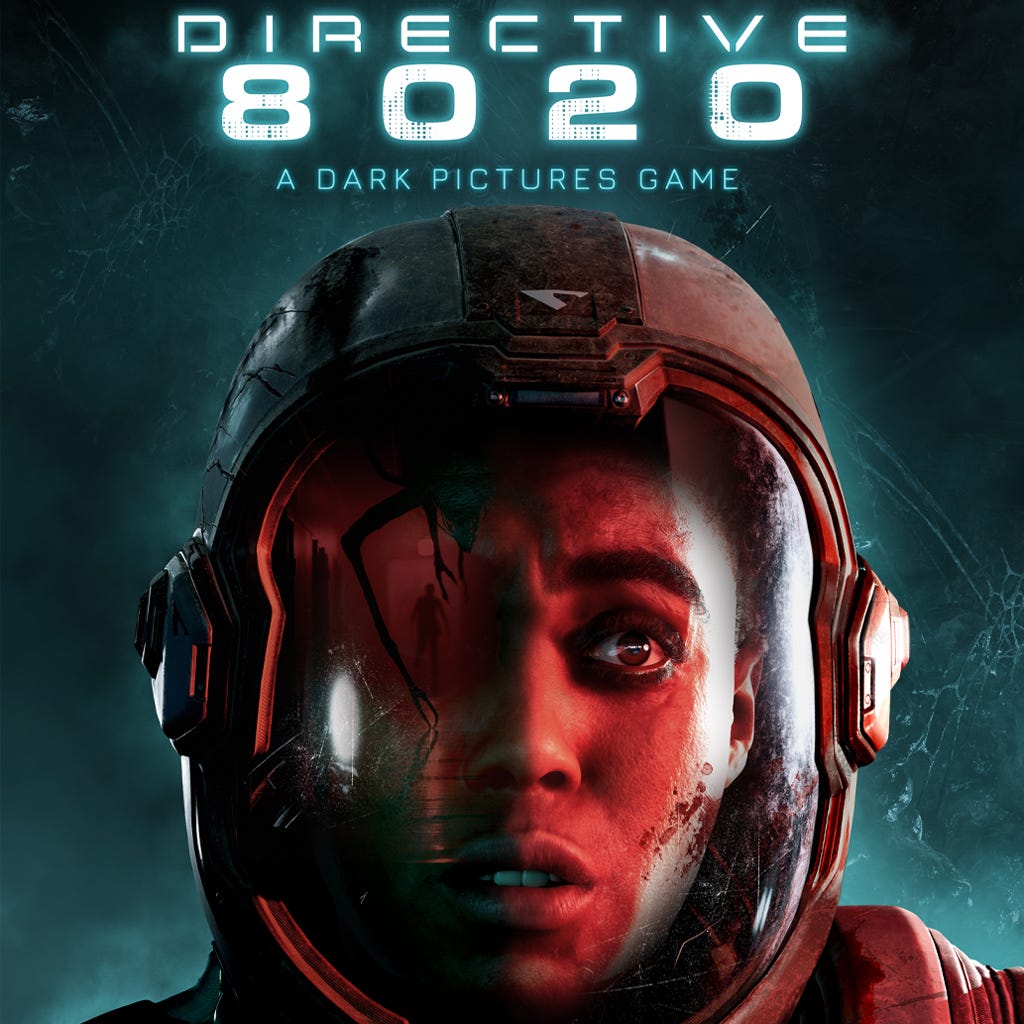
After redefining cinematic horror with Until Dawn and refining its branching anthology formula through The Dark Pictures, Supermassive Games is preparing its most ambitious evolution yet. Directive 8020 isn’t just the next chapter in the anthology—it’s a structural reinvention.
Originally slated for October 2025, the project was delayed following internal restructuring at the studio. Now set to launch May 12, 2026, the extra development time appears to have been spent on polish and systemic upgrades. This is the first Dark Pictures entry built fully around Unreal Engine 5 and designed exclusively for current-gen hardware. PS4 and Xbox One have been left behind.
And based on early hands-on impressions and feature breakdowns, that leap may fundamentally change what this series is capable of.
From Interactive Drama to Survival Horror
Historically, The Dark Pictures Anthology has lived in the space between film and game. Heavy on QTEs, dialogue choices, and cinematic framing, lighter on mechanical agency.
Directive 8020 shifts that balance dramatically.
For the first time in the anthology, players have:
- A fully controllable third-person camera
- Dedicated stealth mechanics
- Real-time enemy patrol systems
- Active evasion gameplay
The difference is philosophical as much as mechanical. Instead of reacting to danger through button prompts, you must anticipate and avoid it.
This isn’t a walking simulator with branching dialogue.
It’s survival horror in deep space.
The Cassiopeia and Tau Ceti f
The setting is perhaps the series’ most promising yet.
Earth is dying. Humanity has sent the colony ship Cassiopeia to Tau Ceti f, 12 light years away, hoping to build a new home. But when the ship crash-lands, the crew discovers they are not alone.
An alien organism stalks the corridors.
Worse—it can perfectly mimic its prey.
The inspiration is clear: The Thing in space. Trust fractures. Paranoia festers. Conversations become interrogations.
Protagonist Brianna Young, played by Lashana Lynch, anchors the narrative. Early footage suggests a performance grounded in vulnerability rather than bravado. The tone feels less melodramatic than past entries—more restrained, more tense.
The alien isn’t just a monster.
It’s uncertainty embodied.
Real-Time Threats and Stealth Systems
The biggest gameplay change is the introduction of roaming alien encounters.
The creature moves through the ship dynamically. You can hide under tables, seal doors, crouch in shadows, or use improvised tools to distract it.
Combat exists—but it’s risky. Improvised weapons offer temporary reprieve rather than empowerment.
The focus is evasion.
This mechanical shift addresses a long-standing critique of the anthology: limited player agency in moment-to-moment gameplay. Directive 8020 promises something more tactile.
Lighting plays a major role. Unreal Engine 5’s lumen system creates deep, shifting shadows across metallic corridors. Flashlight beams cut through darkness, but they also reveal your position.
Sound design appears equally emphasized—distant metallic groans, flickering systems, whispered dialogue over comms.
It’s survival horror built on atmosphere rather than spectacle.
The Turning Points System
Branching narratives remain central.
Supermassive has revamped its story-tree system into something called “Turning Points.” This allows players to:
- See branching paths more clearly
- Rewind certain major decisions
- Explore alternative outcomes
The rewind feature is controversial. On one hand, it softens consequence. On the other, it allows experimentation without replaying hours of content.
The studio appears to be walking a line between accessibility and tension. It’s unclear whether rewinds will be limited in number or tied to difficulty settings.
But narratively, the stakes remain high. Crew members can die permanently. Relationships fracture. The alien threat escalates based on decisions.
In a story about trust, rewinding fate feels thematically ironic.
Multiplayer: Movie Night Returns
Couch co-op remains a core pillar.
“Movie Night” mode returns at launch, allowing up to five players to assign characters and pass the controller between scenes. It remains one of the anthology’s most charming features—turning horror into a social event.
Online co-op, originally planned for day one, will now arrive shortly after launch as a free update. That delay may disappoint some, but Supermassive’s decision to prioritize polish over feature completeness feels prudent.
The space setting could make multiplayer sessions especially tense. Watching a friend unknowingly interact with a potential alien mimic has delicious dramatic potential.
A Current-Gen Leap
Directive 8020 is the first Dark Pictures game built without compromise for last-gen systems.
The visual upgrade is noticeable:
- Higher fidelity character models
- Advanced facial animation
- Improved environmental detail
- Real-time lighting and reflections
Corridors feel claustrophobic and lived-in. The alien’s design (briefly glimpsed) appears grotesque and shape-shifting rather than humanoid.
Load times are reportedly near-instant on PS5 and Xbox Series X|S.
The Unreal Engine 5 pipeline seems to elevate the anthology beyond its previous technical limitations.
Deluxe Edition & Day-One Bonuses
Pre-orders include a free upgrade to the Digital Deluxe Edition (for a limited time), which contains:
- The Dark Pictures Outfit Pack
- Cinematic Filter Pack
- Collectibles Pack
- Digital Artbook
- Digital Soundtrack
These bonuses are cosmetic and aesthetic rather than gameplay-altering.
Given the $39.99 price point, the package feels reasonably positioned—especially compared to AAA survival horror pricing.
Tone and Themes
Thematically, Directive 8020 leans into:
- Paranoia
- Identity
- Isolation
- Trust erosion
- Existential survival
It’s a more focused tone than some previous anthology entries, which occasionally veered into camp.
The alien mimic concept opens doors for narrative misdirection. Dialogue choices could influence suspicion levels. Crew members may accuse one another. Hidden infection mechanics haven’t been confirmed—but the premise invites that possibility.
This could be the anthology’s most cohesive horror concept yet.
Early Outlook
Supermassive is taking a risk.
Shifting from cinematic QTE-driven horror into more active survival mechanics could alienate purists who preferred the interactive drama focus.
But evolution feels necessary.
Directive 8020 appears to combine:
- Cinematic storytelling
- Branching consequences
- Real-time stealth gameplay
- Modern horror aesthetics
If executed well, it may mark the beginning of a “Season 2” identity for The Dark Pictures.
Preview Verdict
Directive 8020 looks like the boldest reinvention in The Dark Pictures Anthology to date.
By embracing stealth mechanics, real-time alien threats, and current-gen fidelity, Supermassive appears determined to push beyond its narrative comfort zone.
The deep-space setting is fertile ground for paranoia-driven horror. The Turning Points system adds transparency to branching paths without abandoning consequence entirely. And the shift toward active survival gameplay suggests the studio has been listening to feedback.
Whether it fully sticks the landing remains to be seen.
But for the first time in the anthology’s history, survival feels mechanical—not just narrative.
And in space, that difference might be everything.