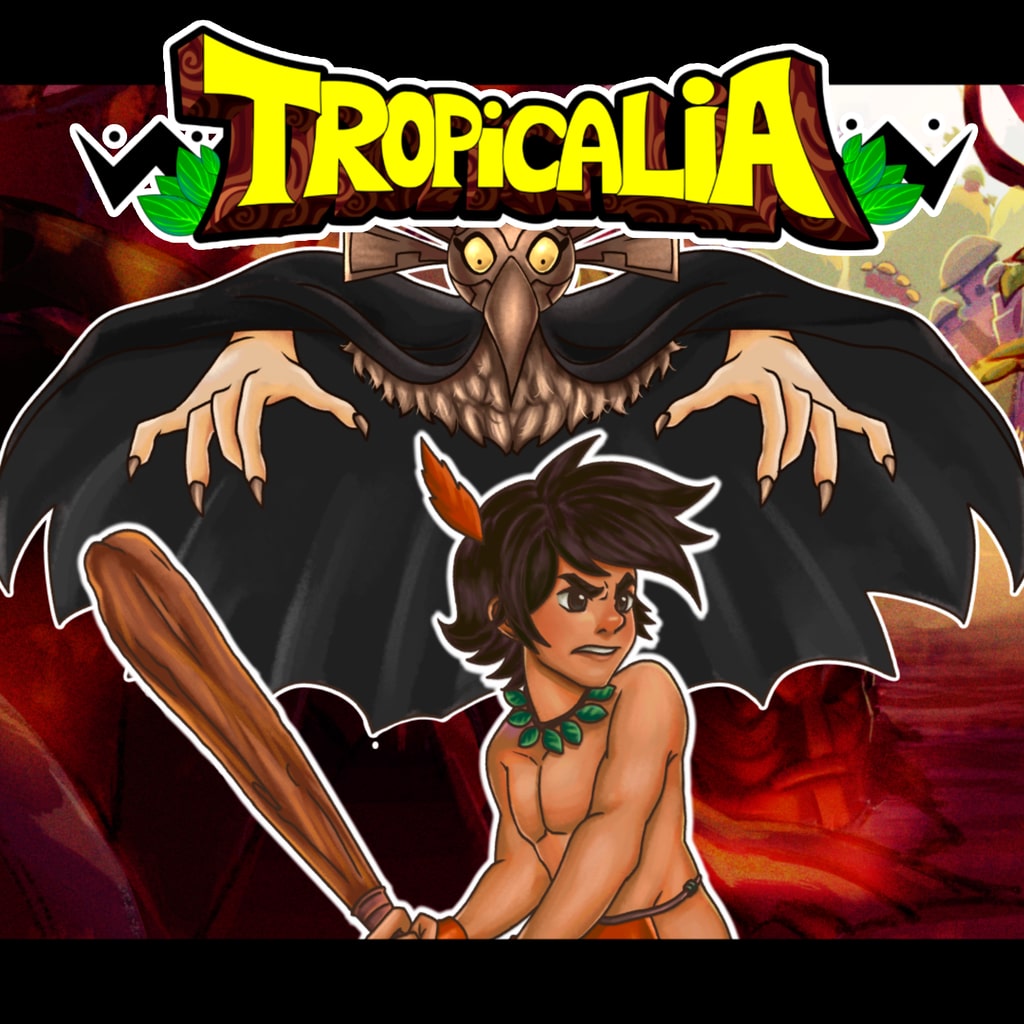
Tropicalia invites players to step into a sun-drenched island paradise, filled with lush landscapes, exotic wildlife, and endless opportunities for creative expression. At its core, the game blends elements of farming simulators, crafting, exploration, and relationship-building into a relaxing and visually appealing experience. Unlike more structured life-sim games, Tropicalia’s charm is in the freedom it affords: there’s no strict path to follow, no race to complete objectives — just a tropical world waiting to be discovered.
Setting and World Design
The world of Tropicalia is a standout feature. The islands are expansive, each with unique biomes including beaches, jungles, volcanic zones, and hidden coves. Wildlife is abundant, with tropical birds, fish, and other critters adding life to every environment. The art style is vibrant and inviting, reminiscent of hand-painted illustrations, and it effectively conveys the warmth and lushness of a tropical paradise.
Environmental storytelling is subtle but present. Players discover abandoned huts, ancient ruins, and small villages, each hinting at a larger history. These details make exploration feel rewarding, even when the gameplay itself is straightforward. Dynamic weather and day-night cycles add variety and immersion, affecting both farming and exploration. A sunny afternoon may reveal a hidden flower grove, while a sudden rainstorm could refresh crops or trigger new wildlife behaviors.
Core Gameplay
Tropicalia’s gameplay is split across several systems:
- Farming and Resource Management: Players cultivate crops unique to the islands, gather resources from nature, and manage their farm plots. Crops range from common fruits to rare plants requiring special care. Farming mechanics are straightforward, with planting, watering, and harvesting cycles that feel intuitive yet satisfying.
- Crafting and Building: Collected resources can be used to craft tools, decorations, furniture, and even expand player housing. Crafting is rewarding, offering both functional upgrades and aesthetic enhancements, and allows players to put a personal stamp on their island paradise.
- Exploration and Discovery: The islands encourage exploration, with hidden paths, secret grottos, and collectibles scattered across the landscape. Movement is fluid, allowing players to swim, climb, and glide to reach hard-to-access areas. This system makes every new discovery feel earned.
- Social Interaction: Villagers, other islanders, and even occasional visiting tourists offer quests, dialogue, and friendship opportunities. Social systems are simple, but they provide context and narrative flavor, giving the island a lived-in feel. Completing social quests can unlock rewards or influence how the environment reacts to the player.
Visuals and Audio
Tropicalia excels in presentation. The colourful, painterly aesthetic is consistently pleasing and helps the game maintain a light, cheerful tone. Animations are smooth and charming, particularly when interacting with animals or harvesting crops. The island’s design encourages exploration, with each area visually distinct and memorable.
The soundtrack complements the visuals perfectly, with relaxed, tropical melodies that blend percussion, steel drums, and soft guitar. Ambient sounds, from birdsong to crashing waves, reinforce the immersive environment and make the islands feel alive. Audio cues also play a functional role, alerting players to ripening crops, nearby resources, or approaching events.
Strengths
Tropicalia’s biggest strength is the freedom it offers players. There’s no “wrong” way to play: whether focusing on farming, crafting, or exploring, the game accommodates different playstyles. Its vibrant world and relaxed pace make it ideal for casual gaming sessions, while the interconnected systems of farming, crafting, and exploration provide a gentle sense of progression.
Another highlight is the sense of discovery. Hidden locations, secret species of flora and fauna, and occasional collectibles encourage thorough exploration and reward curiosity. The game also does an excellent job of evoking a sense of calm and escapism — the tropical setting, coupled with soothing audio and visual design, creates a serene and inviting atmosphere.
Weaknesses
Despite its charm, Tropicalia is not without flaws. Some players may find progression slow; farming cycles and crafting systems can feel repetitive, especially in early stages. Resource scarcity may also frustrate those who prefer rapid advancement or larger-scale building projects.
Social interactions are relatively shallow, with simple dialogue trees and repetitive tasks. Villagers rarely develop dynamic personalities beyond basic quest-giving functions, which can make the world feel less interactive over long play sessions.
Finally, while the world is visually appealing, gameplay depth sometimes lags behind the aesthetic. Beyond farming, crafting, and exploration, there are limited challenges or hazards to test the player, which may leave more hardcore life-sim enthusiasts wanting more.
Overall Experience
Tropicalia delivers a relaxing, colourful life-sim experience that balances creativity, exploration, and casual management. Its strengths lie in freedom of play, immersive visuals, and a vibrant tropical world that invites curiosity and relaxation. While it lacks deep social complexity or challenging systems, its charm and accessible design make it a compelling choice for casual gamers, fans of farming sims, and anyone seeking an escape into a tropical paradise.
Final Verdict
Tropicalia is a delightful, low-pressure life simulation that immerses players in a vibrant tropical world. Its combination of exploration, crafting, and farming systems creates a relaxing yet engaging experience. While some repetitive mechanics and shallow social interactions prevent it from achieving true depth, the game’s charm, aesthetic appeal, and sense of freedom make it a highly enjoyable adventure for casual and creative gamers alike.