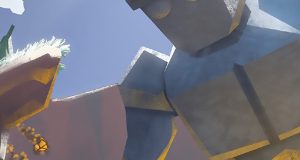
Dixotomia is not a game lacking ambition. From the moment it places you on the hostile alien colony of Carna, it becomes clear this is a VR experience striving for more than simple target practice. Blending gritty science fiction with occult horror and vampiric mythology, Dixotomia attempts to explore themes of identity, power, and corruption while delivering visceral first-person combat in virtual reality.
You play as Ron Adams, a seasoned SpecOps operative dispatched to investigate a silent colony. What unfolds is a bleak descent into a world where corporate greed, alien ecosystems, and a vampiric cult collide. The premise is compelling, and the idea of pairing futuristic weaponry with supernatural abilities is an intriguing hook. However, while Dixotomia often shows flashes of brilliance, it never quite unifies its strongest ideas into a fully cohesive whole.
Combat That Walks a Fine Line
The heart of Dixotomia lies in its combat systems. As a VR shooter, it offers free locomotion, dual-wielding, and a mix of ranged firearms and vampiric powers that can be triggered mid-fight. When everything aligns, the game delivers moments of genuine intensity, with players weaving between cover, unloading magazines into hostile cultists, and unleashing supernatural abilities to turn the tide.
Weapon handling is generally serviceable, with firearms carrying enough weight to feel satisfying in short bursts. That said, the experience is inconsistent. Some weapons lack punch, and feedback can feel muted compared with genre standouts. Tracking and hit detection occasionally falter, particularly during more chaotic encounters, breaking immersion at critical moments.
The vampiric abilities are among the game’s more distinctive features. These powers add tactical flexibility and reinforce the narrative’s central theme of embracing or resisting darkness. Unfortunately, their implementation feels underdeveloped. While mechanically useful, they lack the audiovisual flair and progression depth needed to make them feel truly transformative.
Exploration and Progression
Beyond combat, Dixotomia encourages exploration across sprawling industrial complexes, abandoned research facilities, and alien landscapes scarred by exploitation. These environments are among the game’s strongest elements, often conveying scale and atmosphere in ways VR excels at.
Progression is handled through upgrades that enhance both weaponry and supernatural abilities, allowing players to tailor their approach. However, the system is relatively shallow, offering limited build variety. While choices exist, they rarely feel impactful enough to dramatically alter playstyle, a missed opportunity given the game’s thematic focus on duality and moral divergence.
Narrative Ambition, Uneven Execution
Narratively, Dixotomia aims high. Player decisions shape how the story unfolds, ultimately leading to multiple endings that hinge on how much of your humanity you retain. This branching structure gives weight to certain actions and reinforces the central conflict between duty and temptation.
However, the storytelling often feels fragmented. Dialogue is sparse, NPC interactions are limited, and key plot points sometimes arrive without sufficient build-up. Voice acting is minimal, leaving much of the narrative to environmental storytelling and text logs. While this approach can work, here it often feels like a compromise rather than a deliberate stylistic choice.
The result is a story that is conceptually rich but emotionally distant. Players may understand the stakes, but rarely feel deeply connected to the characters.
Visuals and Atmosphere
Visually, Dixotomia conveys a strong sense of place. Its sci-fi environments are grimy, industrial, and often impressive, particularly in VR. Lighting is used effectively to build tension, and certain locations evoke a palpable sense of dread and isolation.
That said, visual quality is inconsistent. Some textures and character models feel dated, and occasional pop-in or visual glitches detract from immersion. While these issues are not constant, they serve as reminders of the game’s indie roots.
Sound design fares better. Weapons sound suitably aggressive, environmental audio enhances the atmosphere, and ambient noise contributes to the oppressive tone. However, the musical score is underutilised, and the lack of dynamic music during pivotal moments robs the game of emotional impact.
Technical Performance
Having emerged from an extended early-access period, Dixotomia is noticeably more stable than in its earlier incarnations. The developers have clearly invested time in addressing performance issues, and the game is largely playable from start to finish.
Still, technical hiccups remain. Occasional bugs, AI oddities, and tracking issues persist across platforms. None are severe enough to make the game unplayable, but they collectively erode the sense of polish expected of a full release.
Final Verdict
Dixotomia is a game defined by contrast. It is ambitious yet uneven, immersive yet occasionally frustrating. Its blend of sci-fi action and supernatural horror is compelling, and its willingness to explore moral choice in a VR setting is commendable.
However, inconsistent combat feedback, shallow progression, and an underdeveloped narrative prevent it from reaching its full potential. For VR enthusiasts eager to experience something atmospheric and experimental, Dixotomia is worth exploring. For those seeking a tightly polished, narrative-driven VR shooter, it may fall short of expectations.