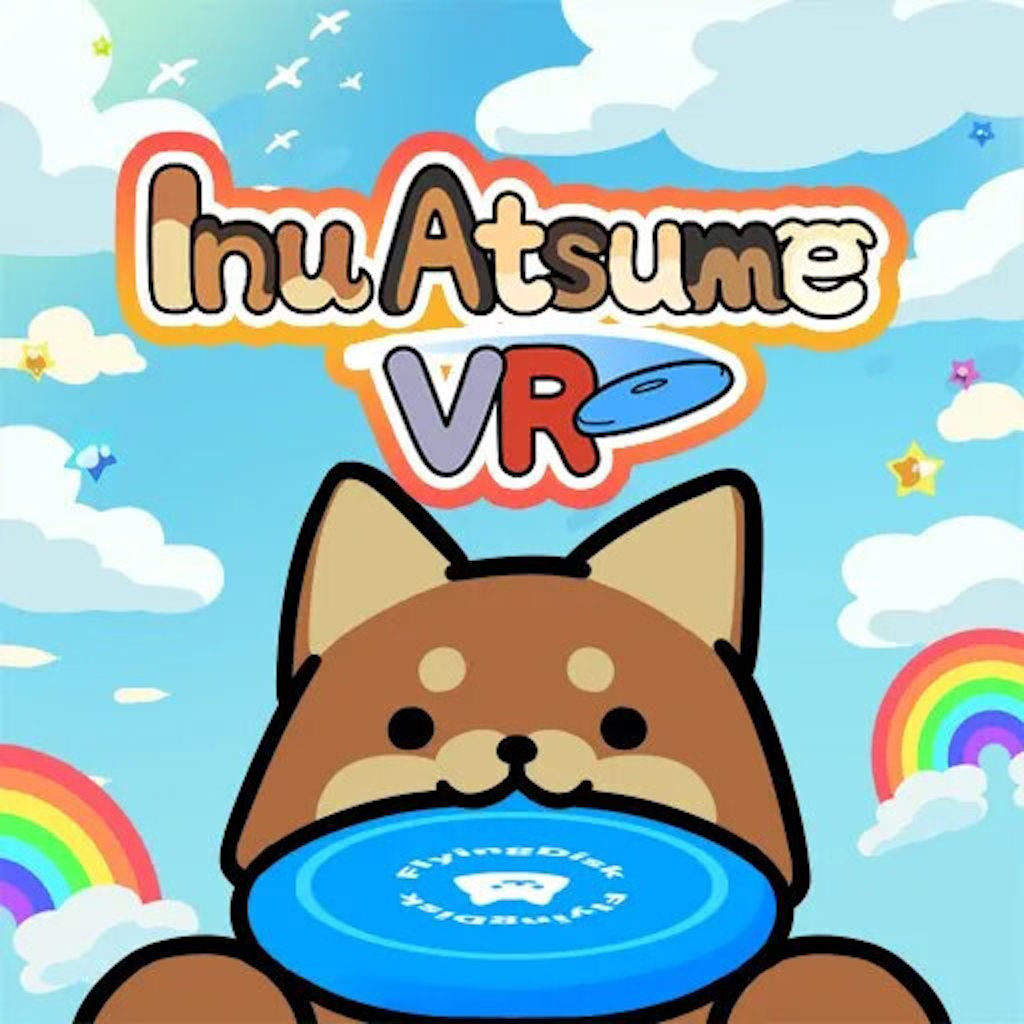
There is something inherently comforting about games that ask very little of the player beyond presence and attention. Inu Atsume VR falls squarely into that category, offering a gentle, low-pressure virtual reality experience built around one simple pleasure: spending time with dogs. Rather than chasing spectacle, complex systems, or adrenaline-fuelled gameplay, Inu Atsume VR focuses on calm interaction, atmosphere, and emotional warmth. The result is a VR title that understands its strengths and limitations, delivering a quietly enjoyable experience that prioritises relaxation over challenge.
In a medium that often leans toward intensity, Inu Atsume VR stands out by doing the opposite. It invites players to slow down, exist in a space, and engage with virtual pets in a way that feels deliberately unhurried. While this approach won’t appeal to everyone, it gives the game a clear identity and purpose.
A Simple Concept Executed with Care
At its core, Inu Atsume VR is about interaction. Players are placed into a cosy, contained environment where a variety of dogs can be observed, petted, and played with. There are no fail states, no timers, and no competitive goals. Instead, the experience revolves around presence and immersion.
The mechanics are intentionally straightforward. Using VR controllers, players can reach out to pet dogs, throw toys, and interact with objects within the space. The dogs respond with animations, sounds, and behaviours that, while not deeply complex, are convincing enough to sell the illusion. The game understands that realism isn’t just about detail, but about responsiveness.
This simplicity works in the game’s favour. By stripping away unnecessary systems, Inu Atsume VR ensures that players can focus entirely on the joy of interaction without cognitive overload or mechanical friction.
The Strength of VR Presence
Inu Atsume VR benefits greatly from its use of virtual reality. Watching a dog wag its tail on a flat screen is one thing; having one trot up to you, respond to your movement, and react to your touch is something else entirely. The sense of scale and proximity adds emotional weight to even the smallest interactions.
VR presence enhances the game’s emotional appeal. Leaning down to pet a dog or tossing a toy across the room feels natural and intuitive. The physicality of these actions, even when simplified, creates a stronger sense of connection than traditional controls could achieve.
That said, the experience is clearly designed to be accessible. Movements are forgiving, interactions are generous, and the game avoids requiring precise gestures. This makes Inu Atsume VR welcoming to newcomers and players who may be sensitive to more demanding VR experiences.
Visual Design: Soft, Friendly, and Approachable
Visually, Inu Atsume VR opts for a clean, friendly aesthetic rather than hyper-realism. Dogs are stylised but expressive, with animations that prioritise personality over anatomical accuracy. This choice keeps the visuals warm and approachable, avoiding the uncanny valley that can sometimes plague animal-focused games.
Environments are similarly restrained. Rather than offering sprawling locations, the game focuses on intimate, comfortable spaces designed to feel safe and inviting. These environments are not particularly detailed, but they are cohesive and functional, serving as pleasant backdrops rather than distractions.
Performance is generally smooth, which is essential in VR. The stable frame rate and clear visuals help maintain immersion and reduce discomfort, reinforcing the game’s emphasis on comfort and ease.
Sound Design and Atmosphere
Audio plays a subtle but important role in Inu Atsume VR. Ambient sounds help establish a calm atmosphere, while dog-specific audio cues add personality and feedback to interactions. Barking, panting, and playful sounds are used sparingly, ensuring they enhance rather than overwhelm the experience.
Music, when present, is gentle and unobtrusive. It reinforces the game’s relaxed tone without demanding attention. Moments of silence are equally important, allowing players to simply exist in the space without constant stimulation.
This careful balance of sound and silence contributes significantly to the game’s soothing nature, making it well-suited for short, stress-free play sessions.
Limited Depth, Intentional Focus
One of the most important things to understand about Inu Atsume VR is what it is not trying to be. It does not offer deep progression systems, complex AI behaviours, or long-term goals. There are no intricate mechanics to master, and repetition is inevitable over time.
However, this limitation feels intentional rather than careless. Inu Atsume VR is designed as a comfort experience, not a system-driven game. Its value lies in mood and interaction rather than depth or challenge.
That said, players expecting regular unlocks or evolving gameplay may find the experience shallow after extended sessions. Replay value depends largely on how much enjoyment one derives from repeated interactions rather than mechanical variation.
Accessibility and Comfort
Comfort is clearly a priority in Inu Atsume VR’s design. Movement options are gentle, interactions are intuitive, and the experience avoids sudden motion or visual effects that could cause discomfort. This makes it a strong choice for players who are new to VR or sensitive to motion sickness.
The game also lends itself well to short play sessions. Spending ten or fifteen minutes interacting with virtual dogs can be genuinely relaxing, making Inu Atsume VR ideal as a cooldown experience rather than a main event.
Who Is Inu Atsume VR For?
Inu Atsume VR is best suited for players seeking relaxation, comfort, and light interaction. Dog lovers, casual VR users, and players interested in calming experiences will likely find a lot to appreciate here.
Those looking for challenge, progression, or deep mechanics may feel underwhelmed. Inu Atsume VR is not designed to test skill or strategy, but to provide a moment of calm in an often overstimulating medium.
Final Verdict
Inu Atsume VR succeeds by understanding exactly what it wants to be. It offers a gentle, comforting virtual reality experience focused on presence and emotional warmth rather than complexity. While its limited depth and repetition may prevent it from becoming a long-term staple for all players, its charm and accessibility make it a pleasant addition to the VR landscape.
For those seeking a peaceful escape or a simple way to enjoy the company of virtual dogs, Inu Atsume VR delivers exactly what it promises. It may not push the boundaries of VR design, but it doesn’t need to. Its strength lies in its sincerity and restraint.