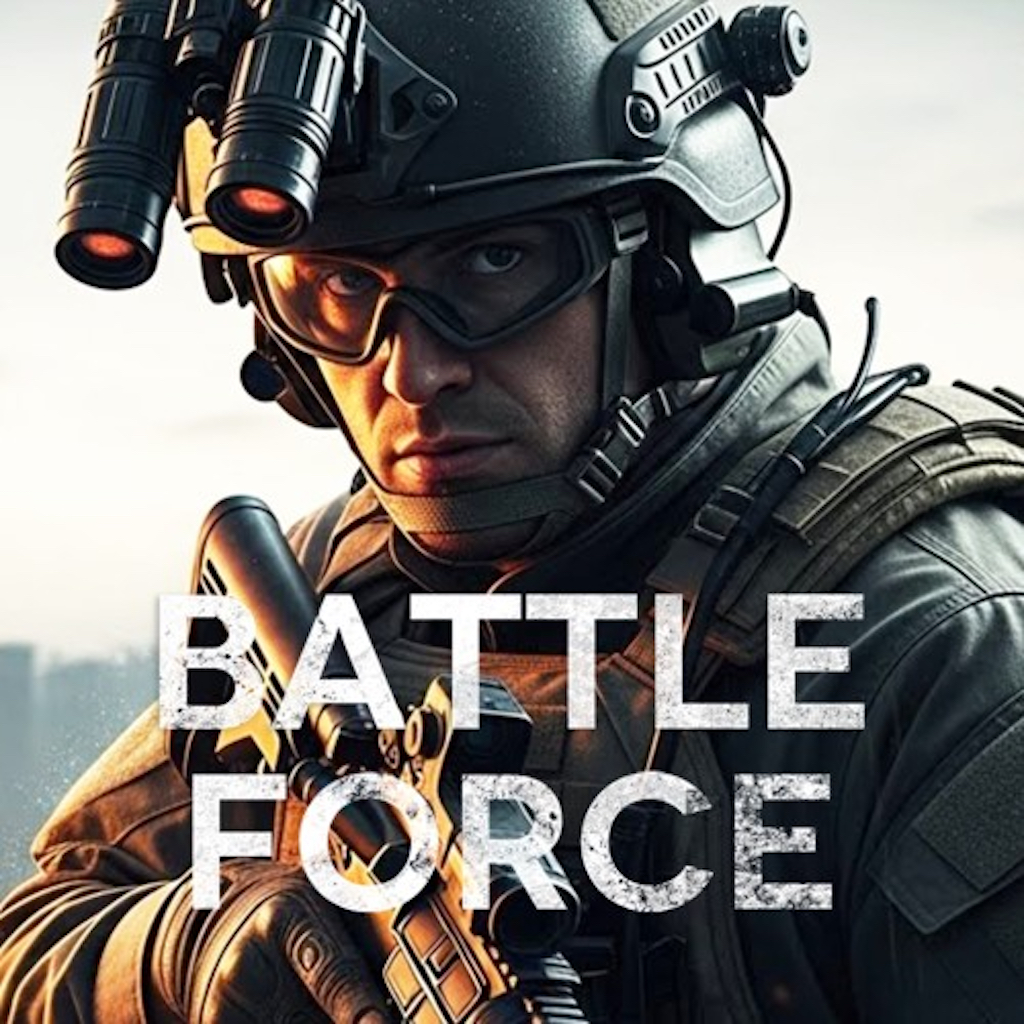
In the crowded arena of competitive shooters and tactical action titles, Battle Forced steps onto the field with swagger — promising intense firefights, strategic pacing, and a suite of modes designed to keep both casual players and competitive warriors engaged. Developed with a clear eye on modern multiplayer sensibilities, Battle Forced attempts to marry high-octane combat with nuanced progression systems and team-based strategies. The result is a game that often hits its target — but sometimes feels held back by its own ambition.
From explosive close-quarters skirmishes to coordinated objective play, Battle Forced delivers moments of thrilling combat that underline its potential. Yet its broader experience is uneven: a powerful core interrupted by balancing issues, repetitive pacing, and missed opportunities that prevent it from rising above competent to genuinely exceptional.
First Impressions: A Gritty Welcome to the Battlefield
Right from the start, Battle Forced presents itself as a game that prioritises impact. The main menu pulses with energy, match selection is swift, and its tutorial systems feed players into combat with minimal friction. The initial load screens — often a drag in shooters — are brief, getting you into matches quickly so the action feels immediate.
Graphically, the game leans toward a slightly stylised realism: environments are well lit, character models are clearly defined, and weapon effects — muzzle flashes, explosion blooms, flying debris — always feel weighty and authoritative. It’s not photorealism, but it doesn’t need to be. Instead, the visual language emphasises clarity of action, ensuring enemies are easy to identify even in chaotic moments.
Animations are smooth and responsive, and the sound design is one of the game’s most consistent strengths. From the hollow crack of a sniper strike to the thump of a grenade blast, audio cues are sharp, directional, and helpful in gameplay — especially for players who use sound to track enemies or anticipate engagements.
Core Gameplay: Fast, Fluid, and Evolving
At its heart, Battle Forced is a shooter that feels both familiar and fresh. The core mechanics — aim, fire, sprint, crouch, reload — feel instantly responsive. Movement is fluid without being floaty, and aiming feels balanced between accessibility for newcomers and precision for seasoned players.
Gunplay is weighty without being cumbersome. Every weapon feels distinct, whether you’re alternating bursts with an assault rifle, tapping a precision rifle from afar, or spraying through tight corridors with a shotgun. Recoil patterns are consistent, and the interface communicates ammo count, health status, and tactical information cleanly.
The tactical layer — particularly team play — begins to shine once players get comfortable with the fundamentals. Battlefield positioning, support fire, suppression, and flanking all feel meaningful. Smart squads that coordinate pushes or defend objectives with intent often emerge victorious, while solo players who rely solely on aim often flounder.
Modes and Map Design: Variety With Mixed Results
Battle Forced ships with a healthy selection of modes that cater to different playstyles:
- Team Deathmatch: Classic respawn combat with fast pacing.
- Objective Push: Attackers and defenders fight over progressively advancing sectors.
- Capture the Points: Teamwide control over strategic areas influences the flow of battle.
- Assault Relay: A tug-of-war hybrid where momentum shifts frequently.
Each mode offers distinct tactical rhythms. Team Deathmatch is pure aggression, while Objective Push demands precision and coordination. Capture the Points rewards both aggression and strategic positioning, and Assault Relay keeps teams adapting on the fly.
Map design reflects similar variety. Urban run-and-gun arenas, industrial complexes with verticality, and wide outdoor battlefields offer different tactical puzzles. Some maps excel at balance, with multiple viable routes and sightlines that reward teamwork. Others lean too heavily toward certain chokepoints or dominant sniper positions, creating frustrating stalemates.
This inconsistency doesn’t ruin the experience, but it does affect flow — one match might feel perfectly dynamic and balanced, while another devolves into repetitive congestion around a single objective.
Progression and Customisation: A Motivational Engine
Where Battle Forced attempts to distinguish itself is in its progression systems. Rather than a simple unlock treadmill, the game’s advancement tree feels meaty and layered:
- Weapon Mods: Scopes, barrels, grips, and ammo types — each with trade-offs.
- Operator Perks: Movement buffs, tactical cooldowns, and survivability options.
- Cosmetic Layers: Custom skins, emblems, and animations that personalise loadouts.
Progression feels rewarding — not just because you unlock shiny cosmetics, but because upgrades often change playstyle. A different barrel or stock modification can turn a favourite rifle into a niche long-range or close-quarters tool, encouraging experimentation.
The perk system also promotes meaningful choices. Do you prioritise speed and manoeuvrability, or do you fortify your resilience and tactical support abilities? These decisions shape how you approach battles, and they keep progression feeling strategic rather than superficial.
Some players have expressed frustration with progression pacing — particularly the feeling that higher-tier unlocks require grinding. While it’s true that the climb toward top-tier gear can feel long, it never reaches the extreme of pay-to-win or unfair gating. The experience still primarily rewards time, skill, and tactical ingenuity.
Community and Competitive Play: A Work in Progress
Competitive play in Battle Forced has strong bones but isn’t fully realised at launch. Ranked modes and leaderboards are present, but matchmaking occasionally struggles with balance between skill brackets. This can lead to mismatches — high-skill players dominating new entrants — which dampens early competitive enjoyment.
That said, the potential is there. With tuning, seasonal resets, and clearer ranking distribution, Battle Forced could cultivate a healthy competitive ecosystem. Local squad play works very well, and teams that communicate basic tactical ideas frequently outperform random groupings.
Community features — clan systems, post-match stats, and play highlights — all contribute to a sense of connection and replayability. However, features like spectator modes and advanced tournament support are limited in the base launch, leaving competitive players hoping for deeper tools over time.
Accessibility and Learning Curve
Battle Forced does an admirable job of welcoming new players. The initial tutorials walk through movement, shooting, objectives, and team roles without overwhelming boxes of text or intrusive prompts. Visual clarity in HUD elements and feedback indicators makes it easy to understand hit confirmations, teammate status, objective progress, and respawn timing.
For seasoned FPS veterans, the gameplay will feel tight and familiar. For newcomers, the learning curve is generous enough to encourage persistence — though mastering advanced tactical play and map exploitation still takes time, as it should in a competitive shooter.
Final Verdict
Battle Forced is a compelling, enjoyable multiplayer shooter that balances arcade immediacy with tactical depth. Its core combat is satisfying, its progression systems are robust, and its variety of modes and maps keeps the experience fresh. While not without flaws — uneven map balance, competitive system growing pains, and occasional meta instability — the game consistently delivers fun, strategic action.
For players who value team coordination, customisation, and fast-paced combat with a strategic edge, Battle Forced is a strong contender in the modern FPS landscape.