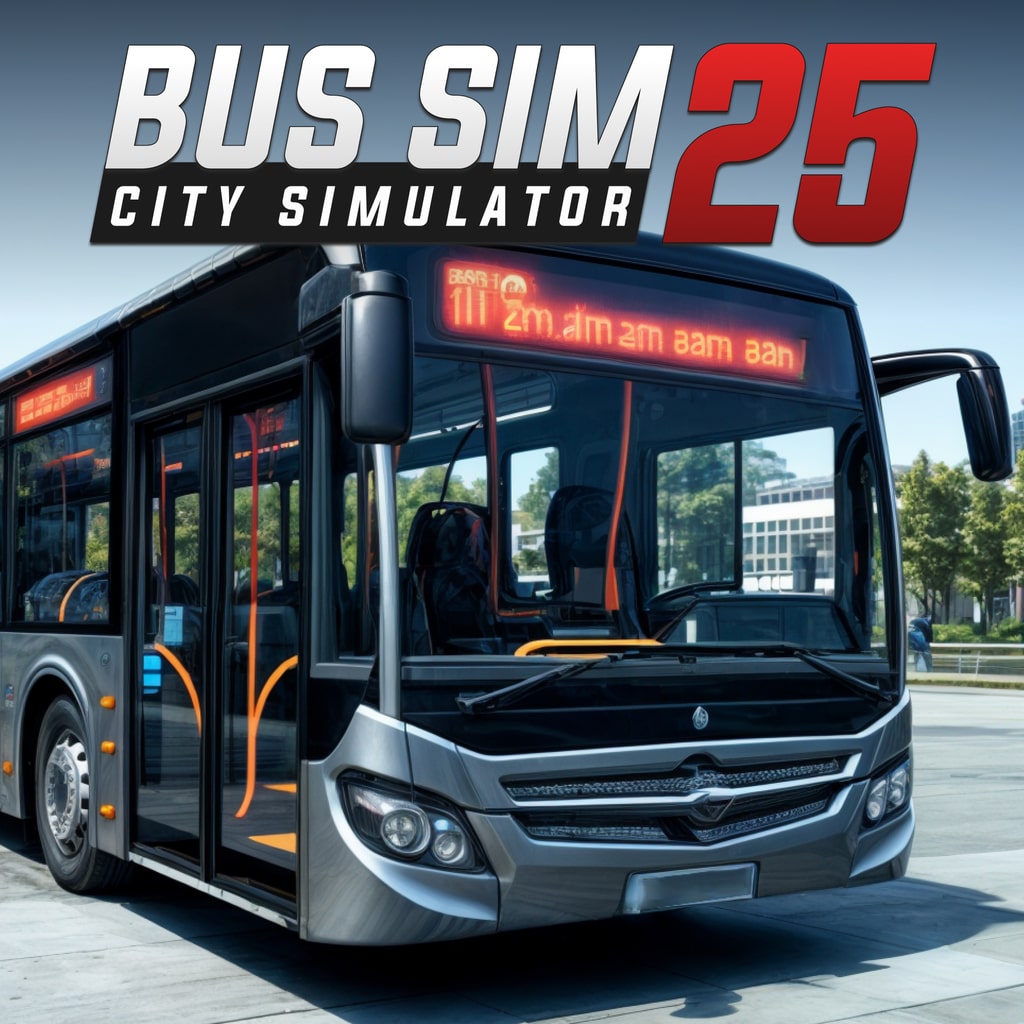
Bus Sim 25 – City Simulator arrives as one of the most polished and complete bus simulation experiences available today. Building on the steady evolution of the genre, this title combines immersive driving mechanics with detailed city management, satisfying both players who enjoy piloting heavy vehicles and those who appreciate macro-level logistics and planning.
Where many transport sims focus on a single dimension — driving realism or fleet supervision — Bus Sim 25 delivers a marriage of both. The result is a simulation with nuance, depth, and surprising charm: a title that respects the unique demands of running a city bus network while still making the act of driving engaging and enjoyable.
For players who relish slow builds, nuanced systems, and the curious satisfaction of watching timetables run smoothly under their guidance, this is a simulator that feels thoughtfully constructed, consistently engaging, and, perhaps most importantly, fun.
Setting the Scene: A Living City on Wheels
The premise is elegantly simple: you are tasked with building and operating a city bus network. From a modest initial route with a handful of buses, you expand into a sprawling transit system that connects districts, responds to demand, and evolves alongside urban growth.
Right from the outset, Bus Sim 25 nails the feeling of urban rhythm. The city hums with life: traffic ebbs and flows, pedestrians cross at regulated intervals, and landmarks frame your routes without ever overwhelming the core experience. The world feels dynamic, but not chaotic — an appropriate canvas for the simulation’s balance of freedom and constraints.
The game’s visual aesthetic strikes a pleasing middle ground between stylised and realistic. Models are detailed enough to feel grounded — bus interiors, city street textures, signage — without sacrificing clarity or performance. This clarity is crucial for a simulation where environmental reading (traffic signals, passenger queues, route signage) directly impacts gameplay.
Driving Mechanics: Realism With Accessibility
Driving in Bus Sim 25 is one of the simulator’s strongest pillars. The bus controls are responsive and weighty in a manner that conveys the physical presence of a large vehicle navigating urban spaces. Steering feels substantial without sluggishness; braking and acceleration respect physics without becoming frustratingly unwieldy.
For players seeking a deeper simulation, advanced driving options — including realistic traffic interaction, route deviation rules, and AI passenger behaviour — elevate the challenge. Conversely, accessible driving assists and simplified control layouts allow less experienced players to ease into the experience without being overwhelmed.
Interior and exterior camera perspectives further enrich the driving experience. Drivers can switch between cockpit view for immersive navigation, side views for curbside precision, and external camera angles for broader situational awareness. These options make both routine stops and complex manoeuvres feel intuitive and satisfying.
Management Layer: More Than Just Driving
Where Bus Sim 25 separates itself from pure driving sims is in its management depth. You are not simply a driver; you are a transit director. Planning routes, scheduling buses, managing fuel costs, maintaining fleet health, and responding to rider demand are all part of the core loop.
Route planning is intuitive yet layered. The interface allows for easy placement of stops and logical extension of lines, while behind the scenes a suite of data — passenger demand heatmaps, wait times, traffic density — informs decisions. This data is presented clearly, with visuals and overlays that allow you to spot inefficiencies at a glance.
Balancing finances is another satisfying challenge. Operating costs — fuel, maintenance, wages — must be weighed against fare income and city contracts. The game encourages strategic expansion rather than reckless growth. Overextend your network without sufficient funds, and you’ll feel the pinch; expand judiciously, and the payoff is evident in positive revenue and rider satisfaction.
Maintenance, too, is thoughtfully integrated. Buses require periodic servicing, and ignoring upkeep leads to breakdowns that affect schedules and reputation. Allocating resources between expansion and maintenance becomes a recurring strategic question, reinforcing the simulation’s emphasis on long-term planning.
Passenger Dynamics and City Interaction
Rider behaviour contributes significantly to the experience. Passengers have schedules, preferences, and expectations. Bus punctuality, frequency of service, and comfort levels all influence passenger numbers and satisfaction ratings. Seeing queues grow at stops or discovering underserved districts motivates route redesign and resource allocation.
Traffic simulation adds another layer. The city does not exist in a vacuum; buses must contend with everyday traffic, controlled intersections, and occasional roadworks. These elements introduce unpredictability that keeps gameplay from becoming rote. Adapting to changing conditions becomes part of the strategic rhythm, and successful route optimisation requires both foresight and flexibility.
The game’s sense of urban presence is amplified by dynamic events — city expansions, congestion alerts, public events — that introduce new constraints and opportunities. These events don’t overwhelm the player but serve to remind that the city is breathing and evolving, not merely a static backdrop.
Presentation: Functional, Friendly, and Informative
Visually, Bus Sim 25 does not strive for photo realism. Instead, it opts for a clear, coherent style that supports readability and performance. Routes, icons, overlays, and information panels are designed with clarity in mind, and UI responsiveness rarely falters even with large transit networks in motion.
Audio design complements the experience well. Engine hums, stop announcements, passenger chatter, and ambient city sounds create a convincing soundscape without becoming intrusive. Music underscores management screens subtly, reinforcing focus rather than drawing attention away from key decision points.
The game’s tutorials and tooltips are thoughtfully designed. Early guidance is clear and helpful, progressively introducing systems and mechanics without drowning players in complexity. Even advanced features are explained with context and in-game examples, reducing friction for newcomers to the genre.
Replayability and Long-Term Engagement
One of Bus Sim 25’s most compelling qualities is how it sustains interest over extended play. Routes that once ran smoothly can become bottlenecked as the city grows; shifting passenger patterns demand network restructuring; new zones beckon with both opportunity and logistical challenges.
This ebb and flow of network life keeps the simulator engaging beyond short bursts. There are always optimisation questions to ponder, strategic trade-offs to evaluate, and fresh objectives to pursue. For players who enjoy iterative improvement and emergent challenge rather than high-score rushes, this is a model of sustained gameplay value.
Multiplayer or asynchronous competitive leaderboards are absent, but the solitary satisfaction of building and refining your own transit empire is itself a rewarding loop. Every optimisation feels earned, and every operational crisis — whether traffic congestion or maintenance backlog — invites thoughtful response rather than reflexive play.
Where It Stumbles
No simulator is without its rough edges, and Bus Sim 25 is no exception:
Repetitive Moments:
Extended driving periods can feel repetitive; even with detailed interiors and varied routes, the core act of driving can blur over time without narrative stakes or broader event variation.
Learning Curve for Micromanagement:
While the game’s onboarding is solid, depth of management systems can be daunting for players who came purely for driving. There is a transition cost to appreciating the macro layer.
Visual Variety Limits:
City environments, while functional and readable, can occasionally feel too uniform — especially in larger networks where districts look visually similar.
These issues are real but do not fundamentally undermine the experience. They are challenges in balancing simulator depth with pacing and visual identity rather than outright flaws.
Final Verdict
Bus Sim 25 – City Simulator is one of the most complete and accessible transit simulations available on current platforms. It achieves a rare balance: detail enough to satisfy simulation enthusiasts, accessibility enough for newcomers, and enough environmental personality to make every network feel slightly personal.
From the tactile pleasure of driving a well-modelled coach to the strategic rhythm of balancing routes, finances, and passenger expectations, the game delivers a cohesive and compelling package. Its blend of vehicle immersion with meaningful macro management makes it a standout in a genre that too often splits these duties.