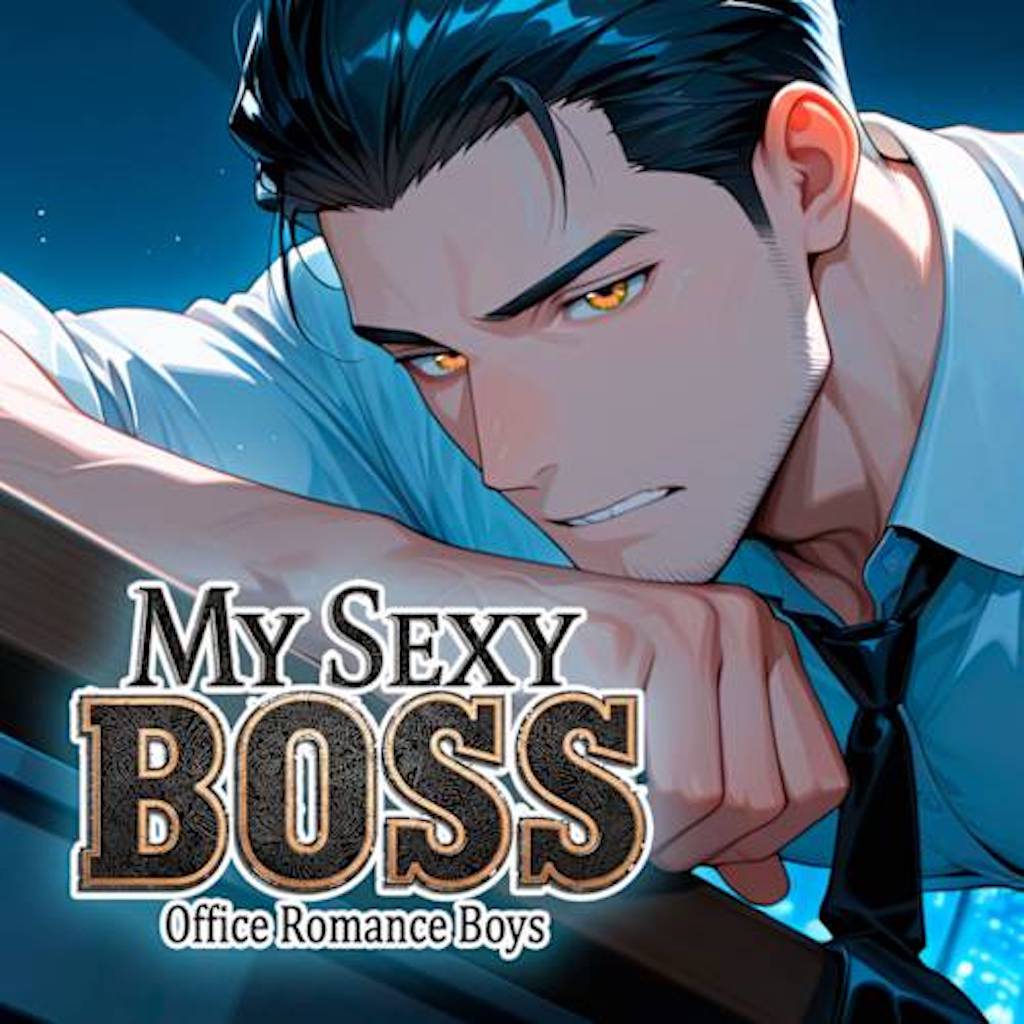
My Sexy Boss: Office Romance Boys takes the familiar ingredients of workplace romance, corporate ambition and dangerously complicated relationships, then wraps them in an accessible, anime-inspired visual novel. Developed and published by Red Fables, it invites players into an office where the most important conversations rarely happen in the boardroom, and where a seemingly innocent exchange can have consequences for both career prospects and matters of the heart. There is plenty of potential in a story built around professional boundaries, hidden feelings and the delicate power dynamics between colleagues. Unfortunately, while the game offers an appealing premise and attractive character designs, its lightweight approach to storytelling and limited interactivity mean the romance does not always reach the emotional heights it promises.
Love in the Workplace
There is something inherently compelling about the idea of romance blossoming in a professional environment. Offices are places where people spend much of their lives, often working closely with colleagues whose personalities, ambitions and private struggles gradually become familiar. Add hierarchy, the pressure to succeed and the possibility of a relationship that could jeopardise everything, and there is a solid foundation for an engaging romantic drama. My Sexy Boss: Office Romance Boys understands the appeal of this setting, placing players in the role of a newly hired employee who must navigate the expectations of corporate life while becoming increasingly drawn to the men around them.
The game makes much of the contrast between the polished professional environment and the private emotions bubbling beneath the surface. Boardroom meetings, coffee runs, late-night conversations and quiet moments in otherwise ordinary corridors provide the backdrop for relationships that are not always straightforward. The central attraction is not simply about finding someone appealing, but about understanding what lies behind a carefully maintained professional facade. The suggestion that a boss who appears confident and untouchable might be hiding vulnerabilities gives the narrative an opportunity to explore something more meaningful than a straightforward office flirtation.
However, workplace romance is familiar territory for visual novels, and the game has to work hard to distinguish itself from the many stories that have explored similar themes. The premise of a mysterious superior, a growing attraction and the risks of crossing professional boundaries is appealing, but it is also well-worn. The difference between an enjoyable romantic story and a genuinely memorable one often comes down to the quality of its characters and the believability of their relationships. Here, the foundations are present, but the formulaic nature of the storytelling can sometimes make the experience feel more predictable than provocative.
Choices, Consequences and Complicated Feelings
At the heart of My Sexy Boss: Office Romance Boys is a familiar visual novel structure. Players read dialogue and narrative passages, selecting responses that influence relationships, career standing and the direction of individual story routes. A seemingly harmless answer during a meeting might earn a character’s trust, while a more personal response in private could move a developing relationship towards romance. These choices give the player a sense of involvement in the unfolding drama, prompting thought about how professional ambition and personal attraction might coexist.
The promise of meaningful consequences is particularly important given the game’s corporate setting. A workplace romance naturally carries complications that a more conventional dating story might avoid. There are reputations to protect, opportunities to pursue and professional relationships that could become awkward or even damaging if feelings are mishandled. The idea that one wrong decision might result in reassignment or a lost opportunity gives the narrative a useful source of tension, even if the branching mechanics remain relatively uncomplicated.
Unfortunately, the interactive elements are largely built around standard dialogue selections, rather than more involved systems that would make the player feel genuinely responsible for their professional progress. There is little to separate the experience from other casual visual novels, and choices can sometimes feel like signposts towards a particular romantic outcome rather than difficult decisions with substantial emotional weight. The game offers multiple paths and endings, but the limited depth of its decision-making reduces the sense of uncertainty that should make those outcomes satisfying.
That is not necessarily a deal-breaker for players who simply want an easygoing romance to enjoy at their own pace. Visual novels have always offered a welcome alternative to games that demand constant action or complex mechanics, and there is a certain comfort in settling into a character-driven story. Still, when a game repeatedly emphasises the consequences of its choices, players are entitled to expect those decisions to carry a little more significance.
The Men Behind the Professional Facades
The romantic leads are naturally the main attraction, with the game’s appeal resting on the relationships players develop with its male bosses and colleagues. Each character is presented as having a professional exterior that conceals something more personal, creating an opportunity to gradually uncover their motivations, insecurities and emotional needs. The idea of learning to interpret what is left unsaid is a particularly fitting theme for an office romance, where maintaining appearances can be just as important as expressing genuine feelings.
The anime-inspired character artwork helps establish the personalities of these romantic interests, with expressive designs intended to communicate attraction, frustration, confidence and vulnerability. In a visual novel, character presentation is especially important because much of the emotional connection depends on facial expressions, illustrations and the way characters respond during key moments. The game’s attractive artwork gives it an immediate visual appeal and helps create the sort of romantic atmosphere that fans of the genre are likely to appreciate.
Yet appealing character designs can only take a story so far. A romantic lead needs more than an attractive appearance or a mysterious personality to become someone players genuinely care about. The most rewarding relationships are those that develop naturally, allowing affection to grow through shared experiences, meaningful conversations and moments of vulnerability. When character arcs rely too heavily on familiar romance tropes, the emotional connection can feel somewhat manufactured, making it harder for the story to leave a lasting impression.
The multiple routes provide welcome variety, giving players the opportunity to explore different personalities and relationship dynamics. There is also an appealing sense of discovery in trying to understand what each character is hiding behind their carefully constructed professional image. However, relatively short routes limit how far these relationships can develop, leaving some emotional moments feeling rushed. More time spent exploring the characters beyond their romantic appeal could have given the narrative greater depth and made the eventual outcomes feel more rewarding.
An Attractive, If Familiar, Presentation
Visually, My Sexy Boss: Office Romance Boys leans into the anime aesthetic closely associated with the otome and romance visual novel genres. Its character designs are central to its identity, offering expressive faces and appealing romantic leads that bring the dialogue to life. The contrast between the corporate surroundings and the more intimate moments also supports the game’s central theme, reinforcing the idea that an ordinary office can become a very different place when personal feelings enter the picture.
The office setting itself offers plenty of opportunities for atmosphere. Boardrooms, corridors, desks and late-night encounters provide recognisable locations that can take on different significance as relationships develop. A quiet conversation after a difficult meeting can carry more emotional weight than a grand romantic gesture, particularly when the characters are supposed to be balancing their feelings against professional responsibilities. The game makes effective use of this familiar environment as a foundation for its romantic storytelling, even if it does not always push the setting into particularly original territory.
The presentation is ultimately more functional than groundbreaking. Attractive artwork can make a visual novel enjoyable to spend time with, but the genre also relies heavily on strong writing, carefully paced scenes and a soundtrack that supports the emotional tone. The game’s visual appeal gives it a solid starting point, although the familiar presentation and straightforward structure do little to elevate it above its competition. It is pleasant enough to look at, but rarely feels like a visual novel that is redefining what the genre can achieve.
A Short Romance With Limited Staying Power
Accessibility is one of the game’s most obvious strengths. Its straightforward dialogue choices and uncomplicated gameplay make it easy to pick up, particularly for players new to otome visual novels or those seeking a relaxed romantic experience. There are no demanding mechanics to master, no complicated combat systems and no elaborate progression barriers standing between the player and the story. Instead, the focus remains firmly on reading, making decisions and discovering where each relationship might lead.
The shorter routes also mean that players can explore different romantic possibilities without committing to an especially lengthy experience. For those with limited time, this can be a welcome advantage, offering a relatively quick way to enjoy a workplace romance. Multiple endings provide some incentive to revisit the story, particularly for anyone curious about how different decisions might alter a character’s response or lead to an alternative conclusion.
However, that brevity comes at a cost. Relationships built around professional trust, personal ambition and complicated attraction need room to breathe, and shorter routes can make emotional developments feel abrupt. Once players have explored the main romantic outcomes, there may be relatively little reason to return, especially if the branching choices do not substantially change the experience. Limited replay value is a particular disappointment for a game that places so much emphasis on multiple paths and outcomes.
The result is a visual novel that offers a pleasant diversion rather than a particularly substantial romantic journey. Its accessible design will appeal to casual players, but those looking for deeply developed characters, intricate branching narratives or emotionally complex relationships may find themselves wanting more. There is a good story waiting to be told within its premise, but the execution does not always give it the time or depth it deserves.
Final Verdict
My Sexy Boss: Office Romance Boys has all the ingredients for an entertaining workplace romance. Its corporate setting provides a natural source of tension, its anime-inspired artwork gives the characters immediate appeal, and its multiple routes offer opportunities to explore different romantic possibilities. There is something enjoyable about the contrast between professional restraint and private attraction, particularly when the story hints at the personal sacrifices that can accompany ambition. For fans of casual otome visual novels, it offers an accessible experience that can be enjoyed without demanding too much time or effort.
Sadly, the game rarely rises above the conventions of its genre. Formulaic plotlines, relatively shallow dialogue choices, and short romantic routes prevent its relationships from developing the emotional depth the premise deserves. The multiple endings provide some replay incentive, but not enough to overcome the limited impact of its branching structure. It is a perfectly serviceable romance for players who know what they enjoy, but it lacks the narrative ambition and character development needed to make it truly memorable.
Ultimately, My Sexy Boss: Office Romance Boys is a pleasant office flirtation that never quite becomes the compelling romantic drama it could have been. There is charm in its characters and accessibility in its approach, but the experience feels more like a brief workplace crush than a relationship that will linger in the memory.