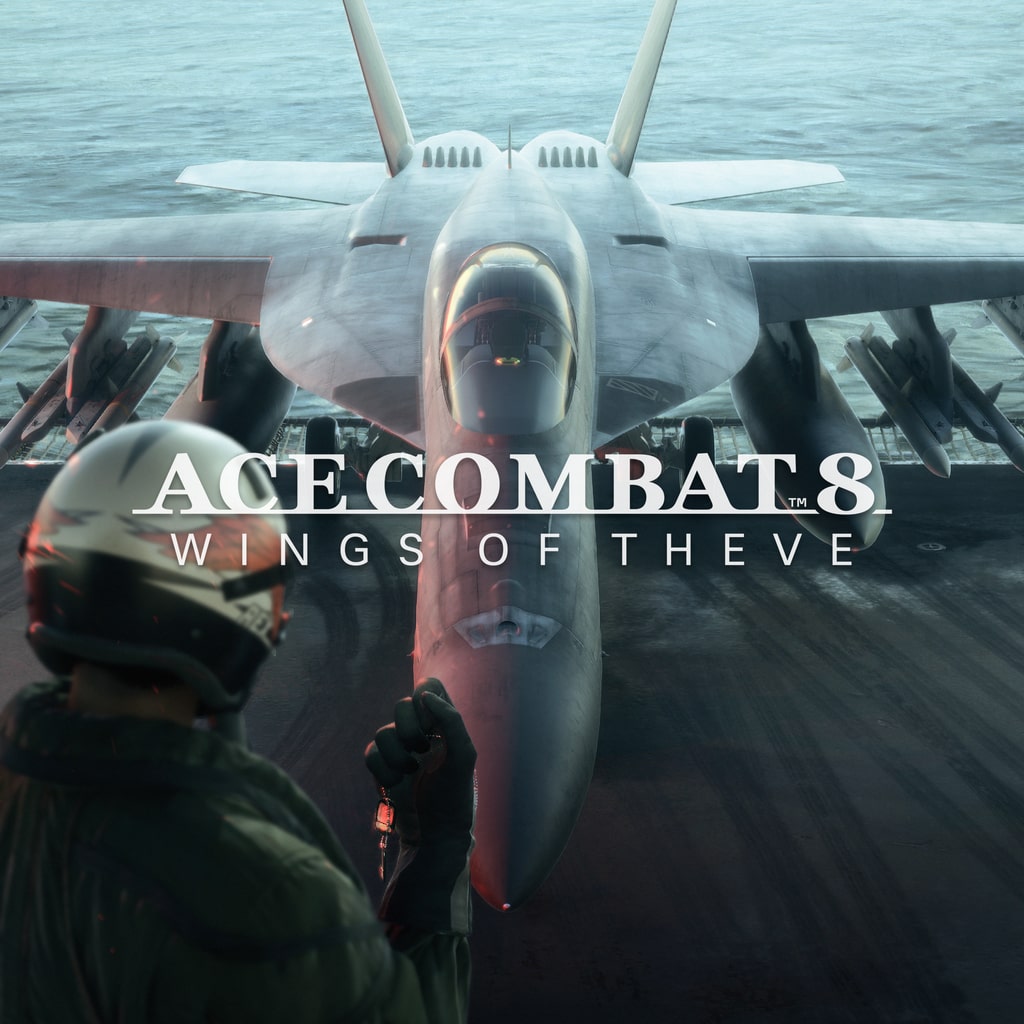
There are few gaming experiences quite like taking to the skies in an ACE COMBAT game. The roar of the engines, the frantic pursuit of an enemy fighter and the sheer spectacle of missiles streaking across a vast expanse of sky have always been at the heart of the series. With ACE COMBAT 8: WINGS OF THEVE, Project Aces returns with a new chapter that aims to push the franchise forward, delivering spectacular aerial warfare, a more personal narrative and the biggest online experience the series has seen. It is an ambitious combination, one that seeks to build upon everything that has made the franchise such an enduring favourite among fans of arcade-style flight combat.
Developed by Bandai Namco Aces and Project Aces, and published by Bandai Namco Entertainment, ACE COMBAT 8 places players in the cockpit of an elite pilot caught up in a devastating war. Set aboard the ageing aircraft carrier Endurance, the story follows a pilot given the heroic title of Wings of Theve, a fabricated identity created to give hope to a shattered navy. It is an intriguing premise that immediately introduces a different kind of pressure, where the person behind the controls must live up to a reputation that was never really theirs to begin with. Beneath the explosive dogfights and large-scale military engagements, there is a story about identity, expectation, camaraderie and the human cost of conflict.
A Sky Worth Fighting For
The first thing that stands out about ACE COMBAT 8 is its commitment to making the skies feel alive. Powered by Unreal Engine 5, the game introduces dynamic, multi-layered cloudscapes that promise to make every mission feel more immersive and visually distinctive. Clouds are more than attractive scenery in an aerial combat game; they can influence visibility, shape the atmosphere of an encounter and make the battlefield feel like a genuine three-dimensional space. The emphasis on living skies gives the game a strong visual identity, helping to distinguish its aerial battles from the more conventional environments often found in action games.
The spectacle is especially important because the sky is effectively the game’s main stage. One moment, players can be cutting through a bank of clouds in pursuit of an enemy fighter, and the next they may find themselves emerging into an enormous battlefield filled with aircraft, naval vessels and incoming threats. These transitions can make missions feel dynamic rather than a sequence of isolated combat arenas. When the visual presentation supports the scale of the action, the result can be a genuinely exhilarating sense of speed, height and danger.
Naturally, beautiful skies would count for very little if the actual flying failed to deliver. ACE COMBAT 8 retains the franchise’s accessible, arcade-inspired approach to aerial combat, prioritising excitement and responsiveness over the demands of a traditional flight simulator. That distinction is important because the series has always been about making players feel like exceptional pilots without requiring them to master complicated real-world flight procedures. The appeal lies in being able to focus on the action, make split-second decisions and enjoy the extraordinary spectacle of aerial warfare without losing the sense that you are in control.
The Thrill of the Dogfight
Aerial combat remains the beating heart of ACE COMBAT 8, and the game places considerable emphasis on making its dogfights feel intense and rewarding. Players will be required to pursue enemy aircraft, avoid incoming fire, manage their weapons and make effective use of their chosen planes. The arcade-style handling keeps the action moving, while the range of aircraft and customisation options offers opportunities to adapt to different mission requirements. It is a formula that has served the series well, and the new entry appears determined to refine rather than abandon it.
The aircraft roster features more than 30 customisable planes, spanning Fighters, Attackers, Multirole and Electronic Warfare craft. This variety gives players different ways to approach the battlefield, whether they prefer engaging enemy aircraft, striking ground targets or supporting their squadron through specialised capabilities. Aircraft selection becomes an important part of preparing for a mission, as the right plane can make a significant difference to how comfortably a player handles the challenges ahead. The deeper customisation trees add another layer to that process, allowing pilots to develop their preferred aircraft and tailor their capabilities to suit their own approach.
There is particular satisfaction in finding an aircraft that feels right for your playstyle and gradually improving it as the campaign progresses. Customisation can give players a stronger sense of ownership over their chosen machines, making each sortie feel like part of a broader journey rather than simply another mission to complete. The opportunity to experiment with different aircraft types also helps maintain variety across the campaign. For players who enjoy mastering the mechanics of aerial combat, the combination of a broad roster and deeper upgrade options should provide plenty of reasons to return to the hangar.
Warfare on a Grand Scale
While dogfighting is central to the experience, ACE COMBAT 8 also aims to expand the scale of its encounters through ground attacks and massive fleet engagements. These missions offer a change of pace from pursuing enemy fighters, requiring players to target different objectives and make effective use of their aircraft’s capabilities. Attacking ground installations or engaging naval forces can give missions a broader sense of military purpose, particularly when these objectives form part of a larger battle. This variety helps ensure that the campaign is not simply a succession of identical aerial skirmishes.
The scale of these engagements also complements the game’s visual ambitions. Seeing aircraft operate above enormous fleets and sprawling battlefields reinforces the impression that the player is part of a much larger conflict. It creates opportunities for missions to feel dramatic without relying entirely on scripted spectacle, especially when multiple threats demand the player’s attention at once. The challenge for the game is to balance these large encounters with clear objectives and satisfying combat, ensuring that the spectacle never overwhelms the gameplay.
The range of aircraft classes should support that variety. Fighters are naturally suited to aerial engagements, while Attackers and Multirole aircraft provide different options for dealing with objectives on the ground and in the air. Electronic Warfare craft introduce another tactical dimension, broadening the ways players can contribute to a mission. Together, these choices have the potential to make mission preparation feel meaningful and encourage players to experiment rather than relying on a single favourite aircraft throughout the entire campaign.
A More Personal Story
One of the most notable changes in ACE COMBAT 8 is its attempt to bring players closer to the people behind the aircraft. The story of Wings of Theve centres on a fabricated heroic identity, casting an underdog pilot in a role where others look to them for reassurance and leadership. It is a premise with considerable dramatic potential, as the player is not simply fighting to survive but also carrying the expectations of a desperate military force. The contrast between the heroic image and the person who must live up to it gives the campaign a more personal foundation.
For the first time in the franchise, narrative sequences transition into first-person interactive scenes, allowing players to explore the aircraft carrier and spend time with squadron members between missions. These moments are intended to build stronger connections with the characters, giving players a glimpse of the relationships and pressures that exist beyond the cockpit. The carrier becomes more than a place to launch the next sortie, offering a setting in which the wider conflict and its personal consequences can be explored. It is an interesting way to add context to the aerial action and make the squadron feel like a group of people rather than a collection of radio voices.
However, this expanded storytelling approach carries a potential cost. The first-person sequences can slow the pace, particularly for players who come to ACE COMBAT primarily for the flying and explosive combat encounters. Spending additional time walking around the carrier and engaging with squad members may help establish the narrative, but it also means that players are occasionally kept away from the game’s defining activity. The balance between character development and aerial action will be important, and those who prefer the more direct storytelling of previous entries may find these sections less compelling.
Bonds Forged Between Missions
The relationships between squadron members appear central to the campaign’s emotional direction. Between sorties, players can spend time with their fellow pilots, build bonds and experience the adversity faced by a military force under extraordinary pressure. These quieter moments contrast with the intensity of aerial warfare, allowing the narrative to explore the human side of a conflict that might otherwise be presented purely through enemy targets and mission objectives. When these scenes are well integrated, they can give the player a stronger reason to care about the outcome of each engagement.
The setting aboard the Endurance also provides a natural foundation for this storytelling. An ageing aircraft carrier, surrounded by the realities of a devastating war, is an environment where tension, uncertainty and camaraderie can coexist. The ship serves as a temporary home for the squadron, a place where pilots prepare for dangerous missions and return to confront the consequences of their actions. It gives the campaign a recognisable central location, helping to connect the individual missions into a larger journey.
The fabricated nature of the Wings of Theve identity is perhaps the most interesting aspect of the narrative. A heroic reputation can be a powerful source of hope, but it can also become a burden when the person carrying it begins to question whether they deserve it. This creates an opportunity for a story that explores the difference between the image people project onto a hero and the reality of the person underneath. If the campaign makes meaningful use of that tension, it could provide a memorable emotional counterpoint to the spectacle of the combat.
Taking the Fight Online
Beyond the single-player campaign, ACE COMBAT 8 introduces ACE COMBAT ONLINE, described as the franchise’s largest multiplayer experience to date. One of its most notable additions is the series’ first online lobby, where players can explore an air base using a custom avatar before heading into multiplayer matches. This is a welcome way to give the online experience a more tangible identity, creating a shared space that feels connected to the game’s military aviation setting rather than simply functioning as a menu between matches. It also gives players an opportunity to personalise their presence before taking to the skies.
The multiplayer offering includes a variety of modes, with Co Op missions and cross-platform play among its key features. Co Op is a particularly fitting addition for a franchise built around squadron combat, allowing players to coordinate with others and tackle objectives together. Cross-platform play broadens the potential player pool, making it easier for friends on different systems to take part in the same battles. These features give the online component a strong foundation, especially for players who want to extend their experience beyond the campaign.
A substantial multiplayer offering can also give the aircraft roster and customisation systems a longer-term purpose. Developing different aircraft, experimenting with loadouts, and learning to handle varied combat situations can become ongoing goals when there are other players to challenge. The introduction of a dedicated lobby and custom avatars adds a social dimension, helping the online experience feel like a place players can return to rather than a collection of disconnected matches. Its long-term appeal will depend on the variety of modes and the quality of the matchmaking experience, but the foundations described here are promising.
A Few Clouds on the Horizon
For all its ambition, ACE COMBAT 8 faces the challenge of ensuring that its expanded features complement rather than dilute the aerial combat that defines the series. The first-person sequences and interactive carrier sections are designed to make the story more personal, but they also risk interrupting the momentum between missions. Players who want to spend as much time as possible in the cockpit may find these sections less engaging, particularly if they feel the narrative takes too long to return to the action. The key will be whether these moments provide enough character and context to justify the time spent away from flying.
There is considerable expectation attached to a new entry in such a well-established franchise. A large aircraft roster, impressive cloud technology and extensive online features are all attractive additions, but they need to work together as part of a cohesive experience. The campaign must offer meaningful mission variety, the customisation systems need to support different playstyles, and the multiplayer modes must give players reasons to keep returning. Ambition is valuable, but it is the quality of the execution that ultimately determines whether all these elements come together.
Even so, the direction of ACE COMBAT 8 is clear. It aims to preserve the accessible, high-intensity flying that made the series popular while expanding its storytelling and online ambitions. The focus on living skies and large-scale engagements gives the action a modern visual foundation, while the introduction of interactive narrative scenes suggests a desire to make the conflict more personal. It is a substantial evolution of the formula, even if some of its new ideas may appeal more strongly to certain players than others.
Final Verdict
ACE COMBAT 8: WINGS OF THEVE brings together the ingredients that have made the franchise such a compelling destination for fans of aerial combat, while introducing meaningful changes to its campaign structure and multiplayer offering. Powered by Unreal Engine 5, the skies, extensive aircraft roster and deeper customisation systems give the action plenty of scope, while the focus on dogfighting, ground attacks and fleet engagements promises a varied campaign. Its story also has an intriguing premise, using the fabricated identity of Wings of Theve to explore the pressure of becoming a symbol of hope during a devastating war.
The first-person interactive sequences are an ambitious addition, and the opportunity to spend time with squadron members could give the campaign a stronger emotional foundation. However, these sections may occasionally disrupt the pace for players who primarily want to remain in the cockpit. The expanded online experience, with its first dedicated lobby, Co-Op missions and cross-platform play, adds considerable scope beyond the single-player campaign and could provide lasting appeal for those who enjoy competing and cooperating with other pilots.
Ultimately, ACE COMBAT 8 looks set to deliver a visually impressive and action-packed return to the skies, with enough new ideas to give the franchise a fresh sense of direction. Its greatest strength is the way it continues to centre the experience on the thrill of aerial combat, while its biggest challenge is ensuring that its expanded storytelling never overshadows that central appeal. For fans of arcade flight action, the combination of spectacular dogfights, a more personal narrative and a substantial online offering makes this a compelling new chapter in the series.