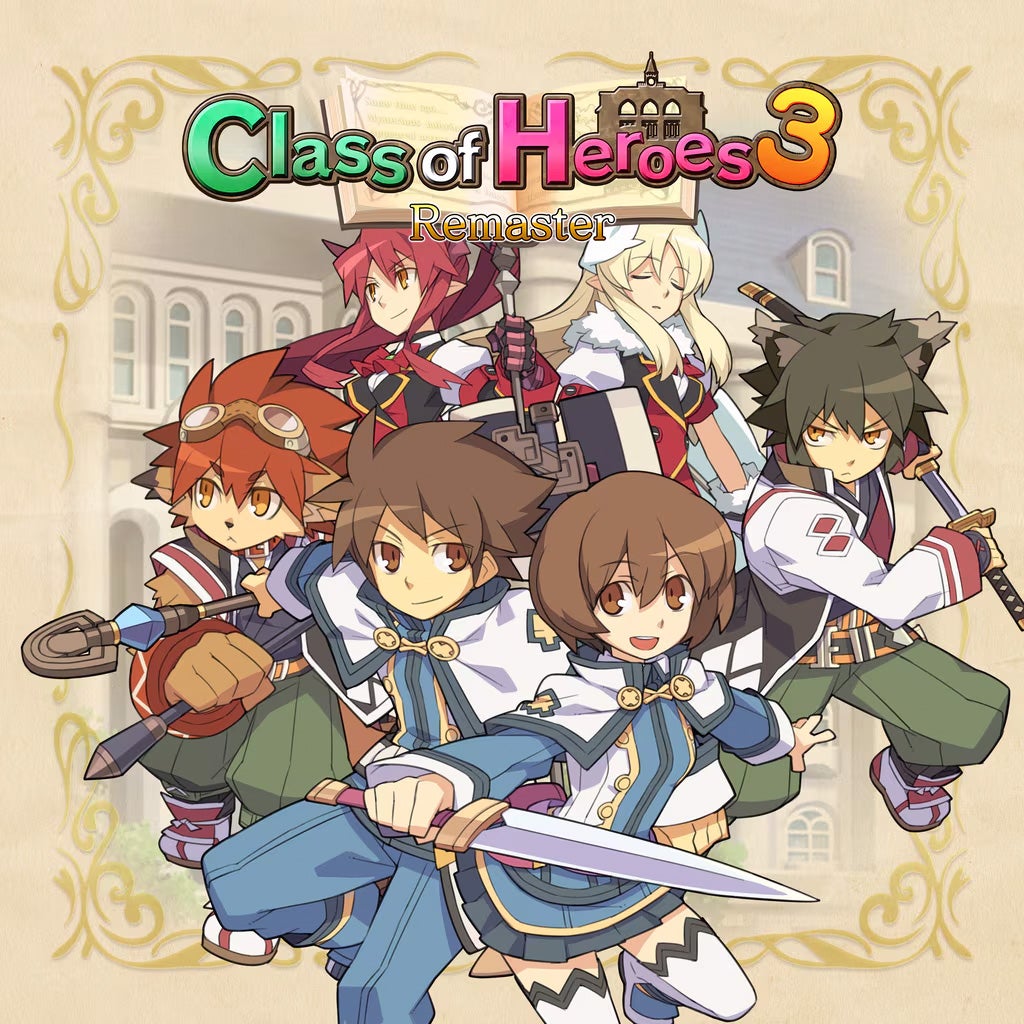
For fans of old-school dungeon crawlers, the Class of Heroes franchise has always been something of a comfort food—familiar, filling, and occasionally hard to digest. Class of Heroes 3, long stuck in Japan before finally reaching wider audiences, doubles down on that identity. It’s a grid-based, first-person JRPG that embraces its roots so tightly you can practically hear the creak of ancient graph paper. The result is a game that delights in equal measure to how often it frustrates, but manages to win you over with its earnest charm and unexpectedly deep systems.
As with previous entries, your journey begins in an academy where students are trained to become adventurers. The narrative framing is lighthearted and largely window dressing, but it gives the experience a refreshing sense of personality compared to the genre’s usual gloomy labyrinths and dire prophecies. You’re not saving the world here—you’re passing finals, fulfilling club requests, and trying not to get expelled. It’s a clever setup that feeds directly into the game’s structure.
A Customization Playground
The heart of Class of Heroes 3 is character creation, and this game gives min-maxers a buffet. You can build a party from a wide range of races, classes, and alignments, each with quirks that meaningfully affect your run. A Diablos warrior hits like a truck but can’t wear heavy armor. A calm, studious Elf excels in magic but panics at low HP. Your team roster is more than aesthetic variation—it’s the backbone of your strategy.
Unlike more modern dungeon crawlers that gradually unlock options, COH3 hands you nearly everything from the start. It’s liberating, if also overwhelming. There’s joy in assembling a squad tailored to your playstyle, but newcomers may feel like they’re staring at a tax form. Even veterans will likely need to restart a file or two before a party “clicks.”
The Grind Is Real
Once the semester begins, COH3 reveals what it truly is: a brutally traditional, carefully paced, occasionally maddening dungeon RPG. The labyrinths are multi-floor mazes filled with traps, pitfalls, puzzles, and enemies that can wipe an unprepared party in seconds. Mapping is essential, and the game expects you to learn layouts through repetition.
Combat is turn-based and functional rather than flashy, but the familiar flow of buffing, binding, positioning, and cautiously advancing becomes hypnotic over time. The game’s difficulty curve is steep but fair—at least in its own nostalgic way. When you get ambushed by a squad of slimes that erase your mages before you can act, the game feels downright spiteful. But when you make it through a tough floor thanks to thoughtful formation changes and clever skill use, the sense of victory is enormous.
Class switching adds another layer of complexity, encouraging long-term planning. Want your healer to become a Paladin? Better start grinding those prerequisites. It’s a system that rewards dedication but won’t appeal to players expecting a more streamlined experience.
School Life Adds Variety
The academic framing isn’t just window dressing. Requests from clubs, teachers, and fellow students serve as the game’s quest structure and push you toward specific dungeons or tasks. These often feel like brief micro-stories—charming excursions that help break up long dungeon treks. They also offer useful rewards, from new equipment to stat boosters.
Between expeditions, the academy acts as a home base where you manage gear, heal, craft items, and occasionally laugh at the game’s goofy sense of humor. While the visual presentation is simple and the UI archaic, there’s undeniable charm in the school setting and the colorful character portraits that populate it.
Still Stuck in the PSP Era
Even with its appealing design, Class of Heroes 3 cannot fully escape its roots as a PSP-era release. The visuals are clean but basic, with repetitive dungeon tilesets and minimal animation. Character art is pleasant, but static. Music ranges from catchy to forgettable, looping often enough that you’ll likely tune it out.
The game’s biggest drawbacks, however, stem from usability. Menus feel clunky, tutorials are sparse, and several mechanics go unexplained. Save points can be cruelly spaced, and odd design decisions—like the punishing injury and death system—can derail hours of progress. These quirks won’t bother hardcore fans, but they’ll alienate players seeking a more modern quality of life.
A Love Letter to a Very Specific Audience
Class of Heroes 3 knows exactly who it’s for and makes no apologies for its rigid, old-school design. If you’re nostalgic for mid-2000s handheld dungeon crawlers, you’ll feel right at home. The customization depth, rewarding progression, and whimsical academy setting make for a compelling loop that’s easy to sink dozens of hours into.
But if you’re seeking a polished, contemporary take on the genre—something like Etrian Odyssey HD or Dungeon Travelers—this may feel too primitive, too grindy, and too opaque. It’s a game built on repetition, tough love, and patience.
The Verdict
Class of Heroes 3 is easily the strongest entry in its trilogy, but it remains a niche title through and through. For players who appreciate meticulous character building and challenging labyrinths, it delivers an enormously satisfying experience. For everyone else, its harsh difficulty, outdated presentation, and dense systems may feel like being dropped into a pop quiz you didn’t study for.
A charming, punishing dungeon crawler with deep customization—but an experience best suited for genre faithfuls.