Horror games have spent decades trying to frighten us with monsters, impossible odds and enough jump scares to make us spill our drinks. More recently, though, a different style of horror has begun carving out its own niche. Instead of overwhelming players with action, these games create fear through uncertainty. They ask you to slow down, observe your surroundings and question whether what you’re seeing is real. One small mistake can undo everything, making every decision feel significant.
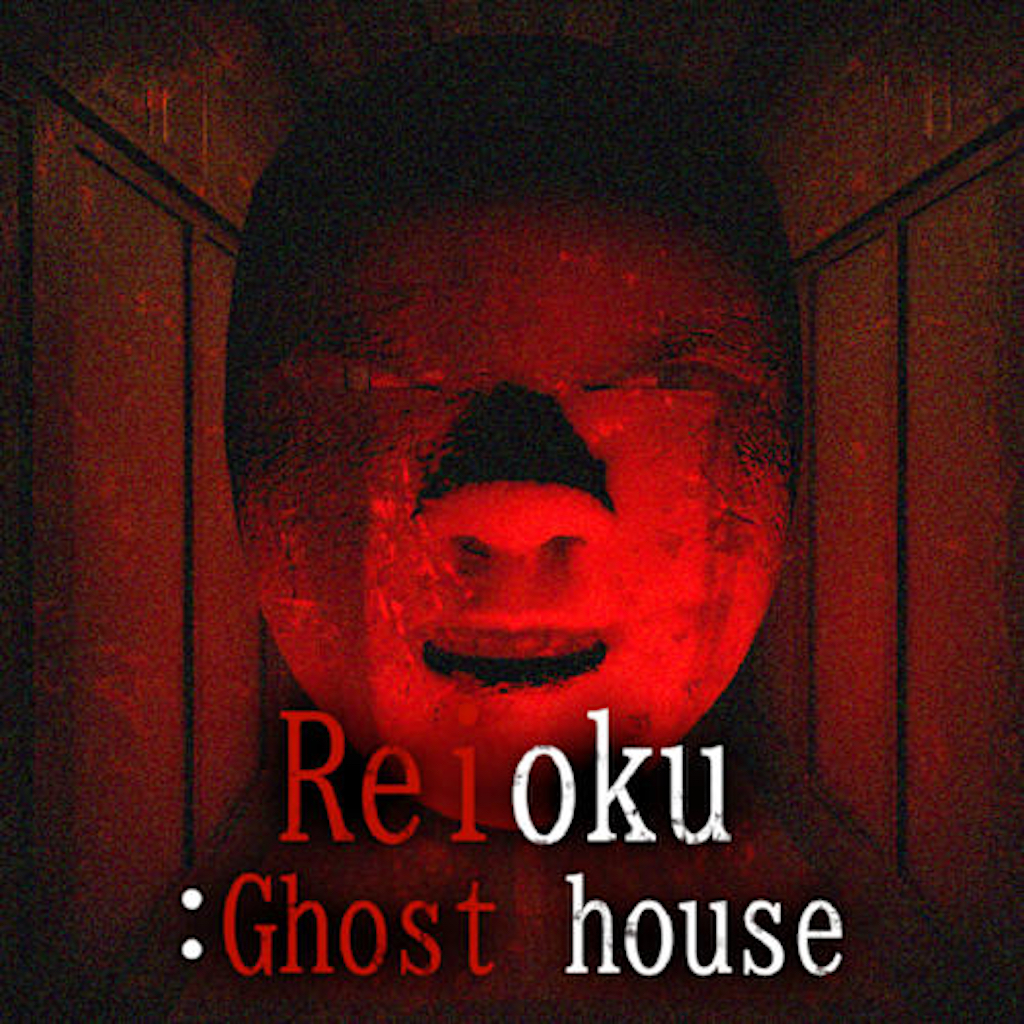
Reioku: Ghost House embraces that philosophy wholeheartedly. Developed by Yajin and inspired by the observation-driven horror popularised by games like The Exit 8, it replaces combat with careful inspection and transforms a seemingly ordinary haunted mansion into a relentless test of memory and concentration. As an exorcist trapped inside a cursed house, your only goal is to identify every supernatural disturbance and perform the correct ritual before escaping alive.
It is a deceptively simple premise that quickly becomes unnerving. Rather than relying on constant scares, Reioku understands that anticipation is often far more powerful than surprise. Every room becomes a puzzle, every flicker of movement raises suspicion, and before long you find yourself questioning details you would normally ignore. It is a compact horror experience that proves imagination remains one of the genre’s strongest weapons.
Gameplay
The core gameplay loop is wonderfully straightforward. You move through the mansion, searching for paranormal phenomena hidden throughout its rooms and corridors. Whenever you believe you’ve discovered an anomaly, you must place a sacred talisman before lighting the candle at the entrance. If no supernatural activity is present, you simply light the candle and continue your investigation.
That simple decision forms the entire foundation of the experience, yet it carries enormous weight. Applying a talisman when nothing is wrong counts as a mistake. Missing an active phenomenon is equally punishing. The game demands absolute confidence, because one incorrect judgement resets your progress and forces you to begin the cleansing process again.
It is an unforgiving system, but one that suits the game’s atmosphere remarkably well. Every successful room increases the pressure, as the consequences of failure become increasingly frustrating. By the time you have correctly identified several paranormal events in succession, your nerves begin to work against you. Suddenly, every picture frame looks slightly crooked, every chair seems a little out of place, and every shadow appears suspicious.
That psychological pressure is where Reioku finds its greatest strength. The ghosts themselves are frightening, but your own uncertainty often proves even more unsettling.
The Horror Of Observation
Unlike many modern horror games, Reioku rarely overwhelms players with monsters chasing them through corridors. Instead, fear grows naturally through careful observation. You begin memorising each room’s layout, noting the placement of furniture, paintings and everyday objects. The smallest change immediately catches your attention.
Sometimes the anomalies are obvious. A ghostly figure may appear where none existed before, or blood might suddenly stain a previously clean wall. Other disturbances are subtler. A familiar object shifts slightly, an unexpected sound echoes through the hallway, or something simply feels different without immediately revealing why.
This constant uncertainty transforms ordinary exploration into something genuinely tense. Every step forward requires concentration rather than courage. Rather than rushing through the mansion, you slow down instinctively, scanning every corner before deciding whether the room is safe.
The influence of observation-based horror is obvious, yet Reioku gives the formula its own identity through its exorcism mechanics. Instead of merely identifying anomalies, players actively perform rituals to suppress them, creating a stronger sense of involvement in the supernatural setting.
Rituals That Create Tension
The talisman and candle system deserves particular praise for reinforcing the game’s central themes. Rather than handing players weapons or defensive tools, Reioku equips them with symbols of protection. You are not defeating ghosts through violence. You are calming restless spirits through ritual and precision.
That distinction shifts the emotional tone considerably. Every encounter feels less like surviving an attack and more like carefully restoring order to a place consumed by spiritual unrest. It gives the experience an atmosphere rooted in traditional Japanese ghost stories rather than in action-focused horror.
Lighting the candle itself becomes surprisingly nerve-racking. Once you commit to your decision, there is no opportunity to second-guess yourself. Watching the animation play out while wondering whether you correctly interpreted the room creates some of the game’s most effective moments of suspense.
Even experienced horror fans may find themselves hesitating before every interaction, constantly questioning whether they have overlooked something hidden within the environment.
Presentation
Visually, Reioku embraces darkness without letting it become frustrating. The mansion is appropriately dim, yet environmental details remain visible enough that searching never feels unfair. Narrow hallways, worn wooden floors and ageing interiors create the impression of a house that has quietly decayed beneath years of spiritual corruption.
The environmental design favours realism over spectacle. There are no elaborate fantasy monsters or extravagant visual effects competing for attention. Instead, the mansion’s ordinary appearance makes each paranormal occurrence stand out even more. A room that appears almost normal somehow becomes more disturbing than one filled with constant supernatural chaos.
Audio is equally important to the overall experience. Much of the game unfolds in near silence, allowing every creaking floorboard, distant whisper and unexplained noise to command your attention. The restrained soundtrack knows when to remain absent, letting ambient sounds build tension naturally rather than announcing every scare in advance.
Jump scares certainly appear throughout the journey, but they rarely feel excessive. More often than not, they serve as punctuation rather than the primary source of horror, complementing the slowly building atmosphere instead of replacing it.
A Demanding Experience
Reioku is unlikely to appeal to everyone. Its insistence on precision can make mistakes feel punishing, particularly in later attempts, when a single incorrect decision wipes away several minutes of careful progress. Players seeking constant action or a more forgiving structure may struggle with the repetitive nature of restarting failed runs.
However, that strict design is also what gives the game its identity. Without meaningful consequences, the careful observation would lose much of its tension. Success feels rewarding precisely because it demands patience, confidence and attention to detail.
The relatively concise length also works in the game’s favour. Reioku understands that its core mechanic is powerful enough to sustain a focused experience without overstaying its welcome. By the time players become fully comfortable with the formula, the journey is already approaching its conclusion.
Final Verdict
Reioku: Ghost House proves that horror does not always require elaborate mechanics or blockbuster production values. With a single haunted mansion, a handful of carefully designed paranormal phenomena and one brilliantly simple gameplay loop, it creates an experience that lingers long after the credits roll.
Its observation-based structure transforms ordinary exploration into a constant battle against doubt, while the ritualistic talisman system gives the supernatural setting a distinctive personality. The occasional frustration caused by its unforgiving reset system may divide players, but those willing to embrace its demands will discover a horror game that earns its scares through atmosphere rather than spectacle.
It is not the loudest horror release on Nintendo Switch, nor the most ambitious. What it offers instead is something quieter and, in many ways, far more unsettling. Every hallway invites suspicion, every room hides possibility, and every decision carries enough weight to quicken your pulse. That lingering sense of unease is exactly what great psychological horror should leave behind.