There is a certain beauty in games that know exactly what they are trying to accomplish. They do not chase sprawling open worlds, cinematic storytelling or endless checklists of side content. Instead, they focus on a single idea, polish it until it shines, and trust that pure gameplay will keep players coming back. Trash Raccoon comfortably fits that category.
At first glance, its premise sounds delightfully absurd. You play as an energetic raccoon sprinting through vibrant arenas, frantically collecting fruit before it transforms into deadly bombs. Every successful grab fills a Fruit Dash meter, allowing your furry scavenger to unleash an explosive burst of speed capable of smashing through obstacles and escaping danger. It is simple, immediate and wonderfully chaotic from the very first run.
Beneath its colourful visuals and playful presentation lies a surprisingly addictive rogue-lite. Each attempt lasts only a handful of minutes, yet those minutes are packed with split-second decisions, narrow escapes, and the constant temptation to risk everything for one more piece of fruit. It captures the elusive “just one more run” feeling that every great arcade game strives for.
Gameplay
Trash Raccoon wastes no time introducing its core mechanics. The controls are responsive, movement feels sharp, and the objective is immediately clear. Collect fruit, avoid disaster, survive for as long as possible, and spend your hard-earned Can Lids on permanent upgrades before jumping back into another attempt.
What makes the gameplay loop so satisfying is how the pressure constantly builds. Fruit never stays safe for long. Leave it sitting around, and it eventually transforms into an explosive hazard, turning areas that once looked harmless into dangerous obstacle courses. This forces you to stay active rather than hide in a safe corner, waiting for opportunities to appear.
The Fruit Dash mechanic becomes the heart of every successful run. Filling the gauge by collecting fruit rewards aggressive play, while activating the dash transforms your raccoon into a destructive whirlwind capable of smashing through barriers and escaping situations that would otherwise spell certain defeat. There is a genuine thrill in perfectly timing a dash to carve a path through chaos as explosions erupt around you.
Although the mechanics remain accessible, the game steadily introduces fresh twists across its nine stages. Environmental hazards become more demanding, enemy patterns grow increasingly unpredictable, and new events force you to rethink strategies that once worked well. The gradual escalation keeps the action engaging without overwhelming newcomers.
Like many successful roguelites, progression occurs both within and between runs. Surviving longer rewards Can Lids that unlock permanent upgrades, encouraging steady improvement over time. The upgrades never trivialise the challenge, but they provide enough meaningful progression to make every failed attempt feel worthwhile.
Runs remain relatively short, making Trash Raccoon an ideal game for quick sessions. Whether you have ten minutes before work or an hour to chase high scores, the game fits easily into almost any schedule. That accessibility is one of its greatest strengths.
Presentation
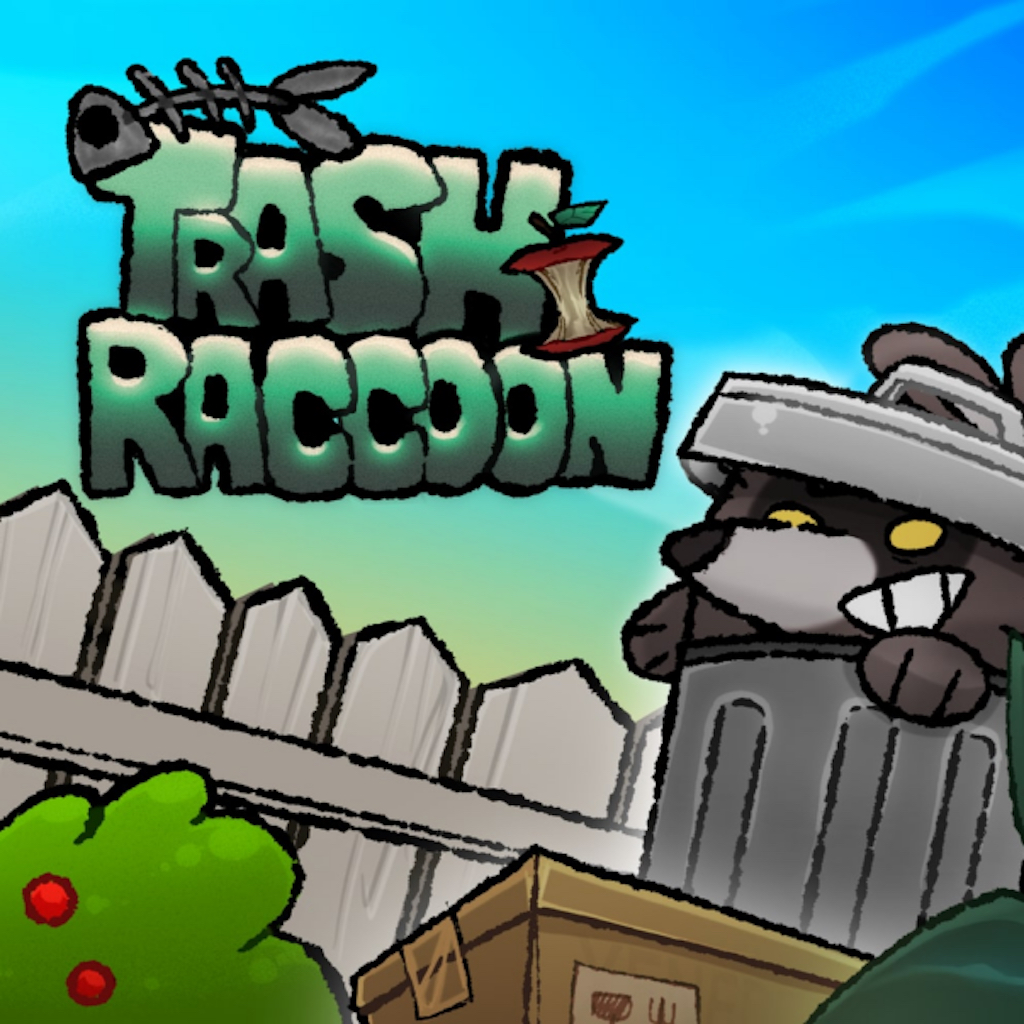
The first thing that stands out is the game’s vibrant visual style. Trash Raccoon embraces colourful cartoon aesthetics with confidence. Every environment bursts with personality, and the exaggerated animations make the action easy to follow, even in hectic moments. The raccoon itself is full of expressive charm, bouncing enthusiastically across each stage with infectious energy.
The nine stages each have their own visual identity without abandoning the game’s cohesive art direction. While none of the environments aim for technical realism, they do not need to. Instead, they prioritise readability and visual clarity, allowing players to instantly recognise hazards, collectables and safe routes, even as situations become increasingly frantic.
Vanity items add another welcome layer of personality. Unlocking hats, outfits and cosmetic accessories gives players extra reasons to keep returning even after mastering the core mechanics. They have no gameplay impact, but they inject plenty of charm into an already likeable adventure.
The clean interface also deserves praise. Important information remains visible without cluttering the screen, allowing players to focus on surviving rather than deciphering menus or meters.
Sound Design
Arcade games often live or die by their soundtrack, and Trash Raccoon understands how important audio can be. The energetic music perfectly matches the pace of the gameplay, maintaining an upbeat atmosphere even when the screen descends into complete chaos. Each stage has enough personality to avoid becoming repetitive during longer play sessions, while the increasing intensity subtly reinforces the rising tension.
Sound effects provide excellent feedback throughout every run. Collecting fruit delivers satisfying little audio cues, explosions carry plenty of impact, and activating Fruit Dash feels appropriately powerful thanks to its punchy effects. Small details like these constantly reinforce player actions, making movement and collection feel rewarding. The soundscape has a cheerful personality throughout. Nothing ever feels overly serious, which suits the game’s playful tone perfectly.
Progression and Replay Value
The roguelike structure gives Trash Raccoon impressive longevity despite its relatively straightforward premise. Every run contributes to future progress, whether through permanent upgrades, cosmetic unlocks, or simply a better understanding of stage layouts and enemy behaviour. Improvement feels natural rather than forced, rewarding player skill just as much as statistical progression.
The unlockable stages also help maintain momentum. Instead of presenting everything immediately, the game encourages players to steadily push further with each attempt. That constant sense of forward movement becomes surprisingly motivating.
High-score chasing is another major part of the experience. Even after unlocking every stage, there is always the temptation to survive a little longer, collect slightly more fruit, or execute cleaner Fruit Dash chains. Competitive players will likely spend many more hours perfecting their runs.
That said, players expecting deep build-crafting or dramatically different character classes may find the progression somewhat lighter than in larger rogue-lites. The upgrades certainly improve replayability, but the game remains focused on refining one excellent gameplay loop rather than constantly reinventing itself.
Where It Stumbles
Despite its strengths, Trash Raccoon is not without limitations. Its biggest challenge is maintaining long-term variety. While new hazards and stages keep things interesting, the central gameplay loop remains largely unchanged throughout the adventure. The mechanics are enjoyable enough to support repeated sessions, but additional gameplay modifiers or alternative objectives could have extended the game’s lifespan even further.
Some players may also wish for greater build diversity. The upgrade system works well within the game’s accessible structure, yet it never reaches the complexity found in genre heavyweights such as Hades or Dead Cells. This feels like a deliberate design decision rather than a flaw, but experienced rogue-lite fans may crave more experimentation.
Difficulty can also spike unexpectedly in later stages. Because so much chaos unfolds simultaneously, certain failures feel more dependent on crowded situations than on player error. Fortunately, these moments remain relatively rare and never become overwhelmingly frustrating.
Final Verdict
Trash Raccoon succeeds because it recognises the value of focused game design. Rather than stretching a simple concept beyond its limits, Xeneder Team has crafted a polished arcade experience that embraces speed, accessibility and joyful chaos throughout.
The fruit-collecting mechanic creates constant urgency, Fruit Dash adds satisfying bursts of power, and the rogue-lite progression provides enough long-term motivation to keep players returning for one more attempt. Combined with colourful visuals, energetic music and wonderfully responsive controls, the result is an entertaining arcade package that consistently delivers exactly what it promises.
It may not have the depth of bigger names in the genre, but it rarely feels like it needs to. Sometimes all you want is a game that respects your time, makes you smile and leaves you eager for another run before you’ve even finished the last one.
Trash Raccoon is exactly that kind of game. It is charming, fast-paced and confidently built around a single addictive idea, making it an easy recommendation for anyone seeking a lively arcade distraction.