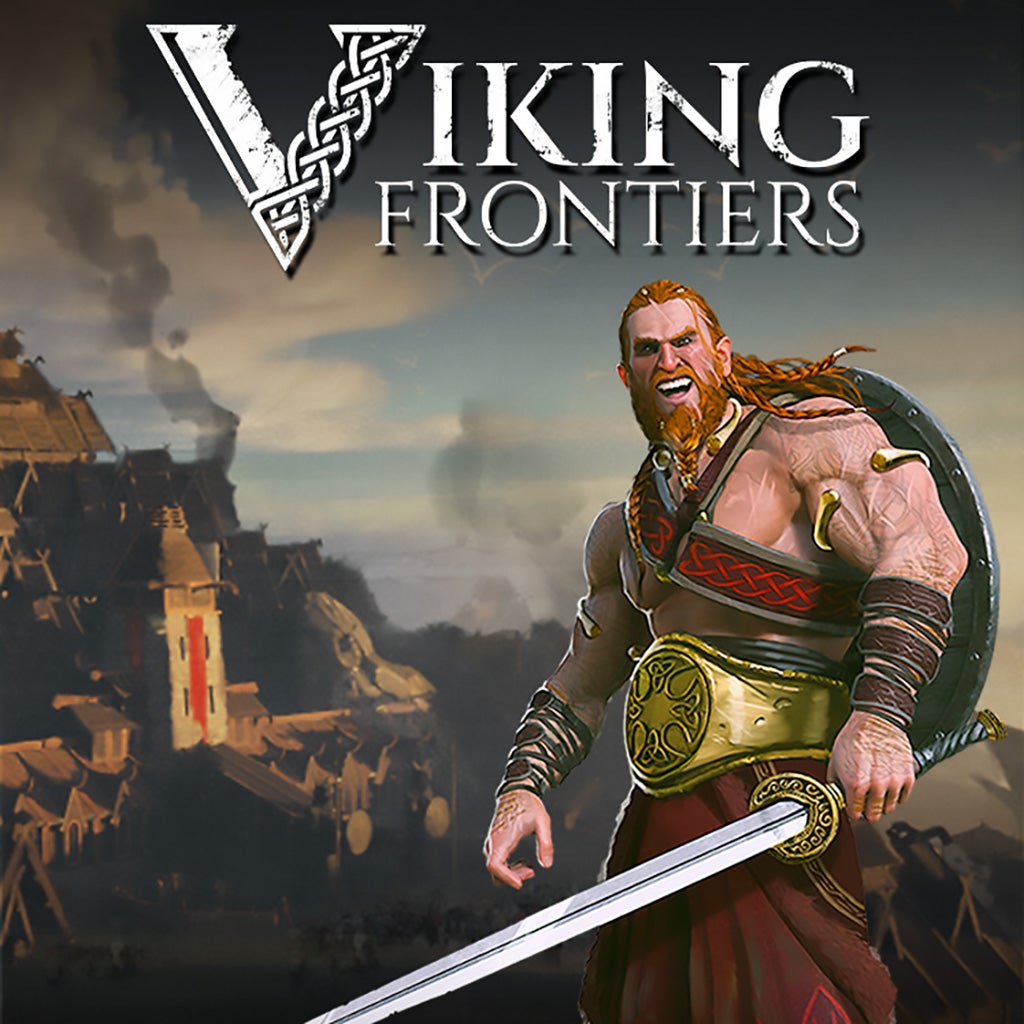
The Viking Age has inspired countless games over the years, yet most focus on glorious battles, mythical monsters, or larger-than-life heroes carving their names into history. Viking Frontiers takes a quieter approach. Rather than casting you as a legendary warrior destined to conquer kingdoms, it asks something arguably far more difficult. Can you keep an entire community alive when everything around you is trying to tear it apart?
Developed by BLUM Entertainment and brought to consoles in collaboration with Wildlands Interactive S.A., Viking Frontiers blends survival mechanics, settlement management, role-playing systems, and first-person exploration into one ambitious package. Every tree you cut down, every meal you prepare, and every decision you make contributes to the survival of your people. It is less about becoming a Viking legend and more about earning the respect of those who depend on you.
From the moment your battered clan washes ashore on an unfamiliar coastline, the tone is set. Resources are scarce, morale is fragile, and the wilderness shows little mercy. The journey from desperate survivors to a thriving settlement is long, demanding, and frequently unforgiving. Yet it is also one of the game’s greatest strengths. Viking Frontiers understands that meaningful progress should feel earned, and when your village finally begins to flourish after hours of careful planning, the sense of achievement is genuinely rewarding.
More Than Just Survival
At first glance, Viking Frontiers resembles many other survival games. You gather wood, collect food, build shelter, and slowly improve your surroundings. It is a familiar routine that anyone who has played the genre will recognise. The difference is that your own survival quickly becomes secondary.
Before long, you are no longer thinking solely about yourself. Your clansmen require food, warmth, shelter, employment, and purpose. Suddenly, every resource carries greater significance because poor planning affects an entire community rather than a single character. That subtle shift makes the experience far more engaging.
Building your first longhouse feels satisfying, but assigning villagers to become hunters, farmers, woodcutters, or craftsmen gives the sense of establishing a genuine society. Each worker contributes to the settlement’s growth, creating a satisfying loop in which careful organisation gradually reduces the amount of manual labour required from the player.
The management systems gradually unfold over many hours. Farming replaces simple foraging, and animal husbandry introduces sustainable food supplies, while religious buildings and laws begin to shape the identity of your settlement. The progression feels natural, rewarding patience rather than rushing players towards endgame content.
Living Among Your People
One of Viking Frontiers’ smartest design decisions is to place players directly within the settlement rather than above it. Instead of commanding villagers from an overhead strategy map, you walk alongside them in first person, physically gathering materials, building structures, and observing daily life unfold around you.
This creates an emotional connection that many city builders struggle to achieve. Watching your hunters leave at dawn, hearing blacksmiths at work through the afternoon, or seeing children wander around completed homes gives the settlement a sense of life. You are not simply moving icons around a screen. You are helping to shape a community.
The atmosphere deserves particular praise. Thick morning fog rolls across the forests as distant mountains vanish beneath grey skies. Rain falls gently on wooden rooftops, campfires crackle throughout the village, and birds fill otherwise peaceful mornings with soft calls. Combined with an understated Nordic soundtrack, Viking Frontiers creates an environment that feels surprisingly calming despite the constant struggle for survival.
Exploration is equally rewarding. The surrounding wilderness encourages players to venture further from home in search of valuable resources, wildlife, and hidden opportunities. Every expedition carries a degree of risk, but also the promise of discovering something that could dramatically improve the future of your settlement.
A Slow Burn That Demands Patience
Viking Frontiers is not a game designed for instant gratification. Progress comes steadily, but rarely quickly. Gathering materials, processing resources, cooking meals, crafting equipment, and constructing new buildings all require considerable time and planning.
For players who enjoy methodical survival experiences, this deliberate pacing is part of the appeal. Every completed structure feels meaningful because it reflects genuine effort rather than instant construction. Expanding your village feels like watching years of hard work slowly transform into something remarkable.
Unfortunately, there are moments when realism drifts into unnecessary repetition. Some crafting processes involve too many manual steps, making everyday maintenance feel more like routine administration than engaging gameplay. Tasks such as cooking, brewing water, or repeatedly crafting basic materials can feel repetitive after extended sessions.
The game’s intricate economy can also punish small mistakes more severely than expected. Using valuable resources too early may inadvertently halt future production chains, leaving players unknowingly locked into frustrating shortages. While this certainly adds realism, it can also be discouraging when dozens of hours of progress hinge on a single overlooked decision.
Strong Ambition Meets Console Limitations
Technically, Viking Frontiers makes a strong first impression. The landscapes are beautifully realised, with dense forests, rugged coastlines, and weather effects that create an authentic Nordic atmosphere. Lighting at sunrise and sunset is particularly impressive, bathing villages in warm orange hues that contrast with the harsh wilderness beyond.
Performance remains generally stable throughout the adventure, allowing exploration and settlement management to proceed without major technical distractions. The visual presentation complements the slower pace perfectly, encouraging players to appreciate the environment rather than rushing through it.
The console version struggles most with its interface. Viking Frontiers contains an enormous number of management systems, menus, inventories, and assignment screens. Navigating these with a controller often feels cumbersome, requiring more button presses than necessary to complete simple tasks. None of it is unworkable, but it lacks the elegance of strategy games built specifically for consoles.
Artificial intelligence also causes occasional frustrations. Workers sometimes ignore assigned tasks, fail to use upgraded equipment effectively, or simply stop working until their assignments are manually reset. These moments are infrequent enough not to ruin the experience, but they interrupt the otherwise immersive rhythm of village life.
A Rewarding Journey for Dedicated Leaders
Perhaps Viking Frontiers’ greatest achievement is the way it makes you feel invested in your settlement. Success is never handed to you. Every stocked food store, every completed home, and every surviving winter represent hours of thoughtful planning and careful decision-making.
It also avoids glorifying Viking culture solely through warfare. While combat and raids certainly play their part, the heart of the game lies in community building, resilience, and leadership. Your greatest victories often come from keeping everyone alive rather than defeating another enemy.
This slower, more thoughtful interpretation of Viking life helps the game stand out from many of its contemporaries. It prioritises satisfaction over spectacle. Watching your struggling settlement gradually evolve into a thriving village becomes surprisingly moving, as you remember every difficult decision that made it possible.
Verdict
Viking Frontiers is an ambitious blend of survival, strategy, simulation, and role-playing that succeeds by placing leadership at the heart of every decision. BLUM Entertainment has crafted a remarkably atmospheric Viking experience in which patience, planning, and responsibility matter far more than brute force.
Its deliberate pacing, demanding management systems, and occasionally awkward console interface mean it will not appeal to everyone. Players seeking constant action may find the slower progression difficult to embrace. However, those willing to invest the time will discover a deeply rewarding survival experience, full of meaningful decisions and genuine satisfaction.
There are certainly rough edges, particularly in menu navigation and in occasional AI behaviour, but they never overshadow the core experience. Viking Frontiers asks players to build more than a village. It asks them to build hope, stability, and a future for an entire people. That journey is rarely easy, but it is well worth taking.