The Mega Man series has never been afraid to reinvent itself. While most players instantly think of side-scrolling platforming and Robot Masters, the early 2000s saw Capcom take an unexpected leap into role-playing games, blending collectible cards, tactical combat, and heartfelt storytelling into something that felt entirely new. What began as an experiment quickly grew into two beloved handheld franchises, each with passionate fan communities and a lasting mark on portable gaming.
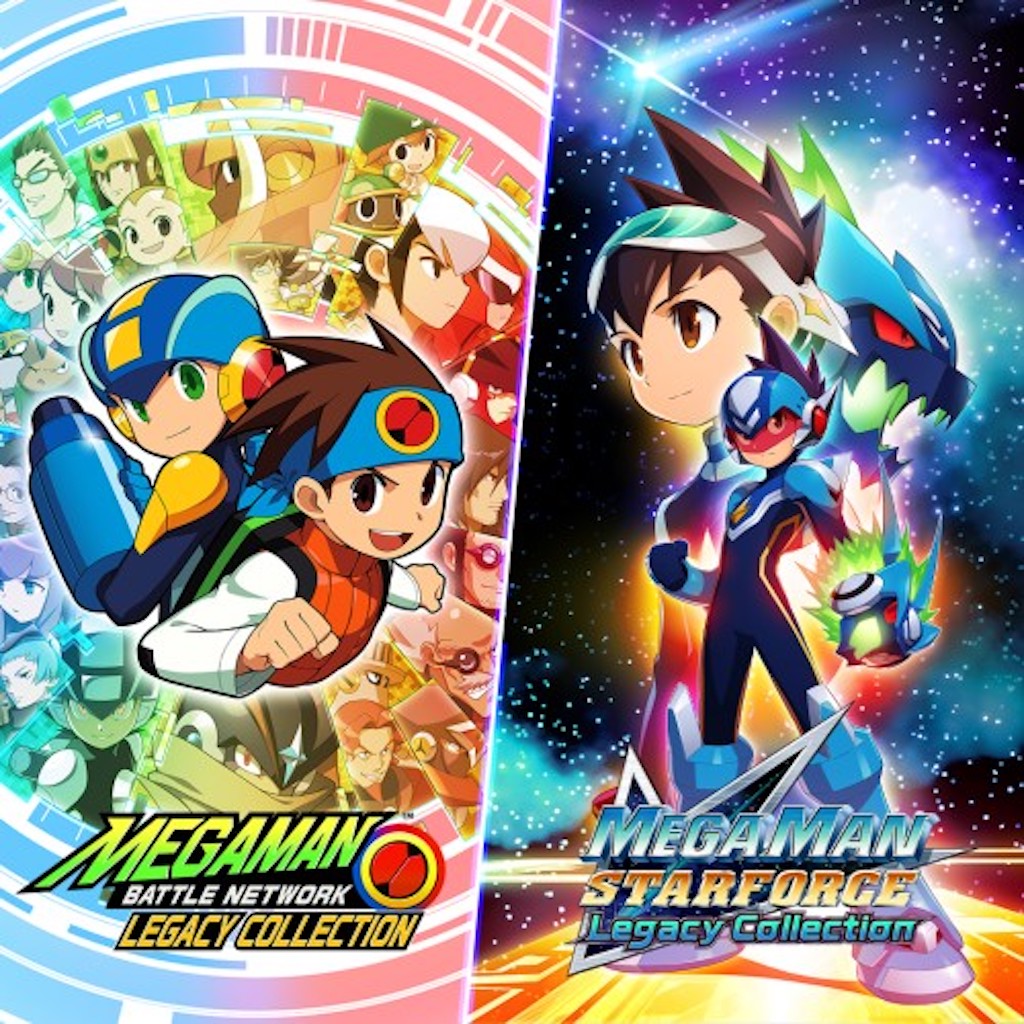
Mega Man Cyber Wave Pack finally reunites both worlds in one comprehensive package. Alongside the ten titles from the Mega Man Battle Network Legacy Collection sits the complete Mega Man Star Force Legacy Collection, bringing together seventeen versions of two interconnected series that chart Mega Man’s evolution in fascinating ways. It is an enormous amount of content, and while the collection inevitably reveals a few repetitive design habits common during the handheld era, the quality-of-life additions, online functionality, and wealth of bonus material transform this into one of the finest retro compilations Capcom has ever produced.
For long-time fans, this feels like opening a time capsule packed with memories. For newcomers, it offers the perfect opportunity to discover why these games earned such devoted followings. Regardless of which camp you fall into, there is something undeniably satisfying about seeing this entire chapter of Mega Man history preserved so thoughtfully.
Two Eras, One Shared Heart
Although bundled together, Battle Network and Star Force tell very different stories. Battle Network is set in a near future where almost every aspect of daily life is connected through advanced computer networks. You step into the shoes of Lan Hikari and his digital partner, MegaMan.EXE, diving into cyberspace to stop viruses, hackers, and cyber terrorists before they plunge society into chaos. Looking back today, its vision of an internet-dependent civilisation feels remarkably prophetic, even if it is wrapped in colourful Saturday-morning cartoon optimism.
Star Force moves the timeline forward by two centuries and shifts its focus towards a more personal science fiction story. Geo Stelar is a withdrawn teenager struggling with loss when he encounters the alien Omega Xis, whose arrival changes his life forever. Together, they become a new incarnation of Mega Man, travelling invisible Wave Roads and protecting humanity from threats hidden beyond ordinary perception. While the setting becomes grander, the emotional storytelling feels more intimate, exploring grief, friendship, and the courage to reconnect with the people around you.
Neither storyline aims for gritty realism, and neither needs to. Both series embrace sincerity with refreshing confidence, creating memorable characters whose optimism and determination continue to resonate years after their original release. Their stories remain surprisingly heartfelt beneath the colourful presentation.
Combat That Still Feels Fresh
The greatest achievement of both franchises is undoubtedly their combat. Even after all these years, Battle Network’s real-time tactical battles remain unlike almost anything else available today. Every encounter unfolds on a six-by-three battlefield where movement is as important as attack power, forcing players to dodge incoming fire while selecting Battle Chips capable of unleashing swords, elemental blasts, healing abilities, defensive barriers, and devastating Program Advances.
Building your Folder becomes a satisfying strategic exercise in itself. Choosing which chips complement one another and constructing combinations capable of handling different enemy types create a level of tactical flexibility rarely seen in portable RPGs of the era. Every battle rewards preparation just as much as quick reactions, creating an addictive gameplay loop that rarely loses its appeal.
Star Force wisely avoids simply copying the formula. Battles shift to a tighter over-the-shoulder perspective that limits movement but introduces faster pacing, powerful lock-on mechanics, and a more aggressive style of play. It feels familiar enough that Battle Network veterans can jump straight in, while offering enough new ideas to establish its own identity. The transition between both series highlights Capcom’s willingness to refine rather than simply repeat its earlier success.
Modern Improvements Without Losing Its Soul
Capcom deserves enormous credit for understanding how these games should be preserved. Rather than rebuilding or modernising the experience beyond recognition, Cyber Wave Pack carefully improves accessibility while respecting the original design. Menus are clean, navigation is intuitive, and moving between games feels effortless despite the sheer size of the collection.
Perhaps the most welcome addition is Buster MAX Mode. Early portable RPGs often demanded long stretches of repetitive random encounters before players could progress comfortably. Activating Buster MAX dramatically increases the power of your standard attack, allowing ordinary virus battles to end almost instantly. It is entirely optional, but for anyone revisiting these adventures with adult responsibilities and less free time, it becomes an invaluable feature.
Online functionality also receives welcome attention. Trading Battle Chips, battling friends, and revisiting competitive multiplayer add another layer of longevity to games that originally relied on local handheld connections. It feels wonderful to see features that once required link cables now functioning so seamlessly on modern hardware.
A Treasure Trove for Fans
The games themselves may be the main attraction, but Cyber Wave Pack surrounds them with an impressive archive celebrating Mega Man’s handheld legacy. The artwork galleries are packed with promotional illustrations, concept sketches, character designs, and development material that show how both series evolved across multiple generations of portable hardware. It is the sort of content that longtime fans could happily browse for hours.
The music player is equally impressive. Both Battle Network and Star Force delivered consistently excellent soundtracks despite the limitations of their original hardware, and hearing those themes together highlights how memorable Capcom’s composers were during this period. From energetic battle themes to emotional story tracks, the music remains every bit as infectious today.
Small presentation touches elevate the package even further. Responsive menus, attractive interface design, and polished transitions create the impression that genuine care has gone into preserving these games. Nothing here feels rushed or assembled simply to meet a release schedule.
The Handheld Era Shows Its Age
As polished as the collection is, time inevitably exposes a few rough edges. Playing seventeen related releases back to back makes Capcom’s annual development cycle impossible to ignore. Similar enemies, recycled environments, familiar mechanics, and repeated story structures become increasingly noticeable in the middle entries, particularly in Battle Network.
Quest design also reflects a different era of RPG development. Objectives occasionally become frustratingly obscure, sending players wandering through labyrinthine network maps in search of a single hidden character or an easily overlooked item. These were common design choices twenty years ago, but modern audiences may find them unnecessarily time-consuming.
Some entries also lean heavily on repetitive tournament structures or extended backtracking that slow the pacing. Thankfully, modern conveniences such as Buster MAX help soften these frustrations considerably, allowing players to focus more on the stories and tactical battles that remain the series’ greatest strengths.
A Remarkable Celebration of Portable Gaming
Beyond nostalgia, Mega Man Cyber Wave Pack serves as a reminder of how experimental Capcom was during one of its most creative periods. Rather than simply producing another action platformer, the company reinvented one of its biggest icons through card-based combat, RPG progression, and inventive storytelling that still feels refreshingly different today.
What is perhaps most surprising is how well these mechanics have aged. Deck-building, hybrid action systems, and strategic combat have become increasingly popular over the past decade, yet Battle Network was exploring many of these ideas years before they became fashionable. Star Force then refined those concepts further, creating a fascinating snapshot of a franchise constantly evolving rather than standing still.
This collection ensures those achievements remain accessible for years to come. It preserves not only the games themselves but also an important chapter of handheld gaming history that deserves to be experienced by a new generation of players.
Final Verdict
Mega Man Cyber Wave Pack is exactly what a modern retro collection should aspire to be. It celebrates its source material without unnecessarily altering it, adds thoughtful quality-of-life improvements that genuinely enhance the experience, and surrounds its games with a wealth of bonus content that reflects genuine respect for their legacy. Whether you are revisiting childhood favourites or discovering these adventures for the first time, there is an astonishing amount of value packed into this collection.
Its age occasionally shows in repetitive quest design, recycled content, and bouts of aimless backtracking, but those flaws are minor compared to everything the package gets right. The inventive combat systems remain endlessly satisfying, the characters continue to charm, and the historical importance of both Battle Network and Star Force has only grown stronger with time.
Capcom has delivered far more than another compilation. Mega Man Cyber Wave Pack is a lovingly preserved archive of one of gaming’s most inventive RPG experiments and an easy recommendation for strategy fans, Mega Man devotees, and anyone curious about one of the Blue Bomber’s most creative evolutions.