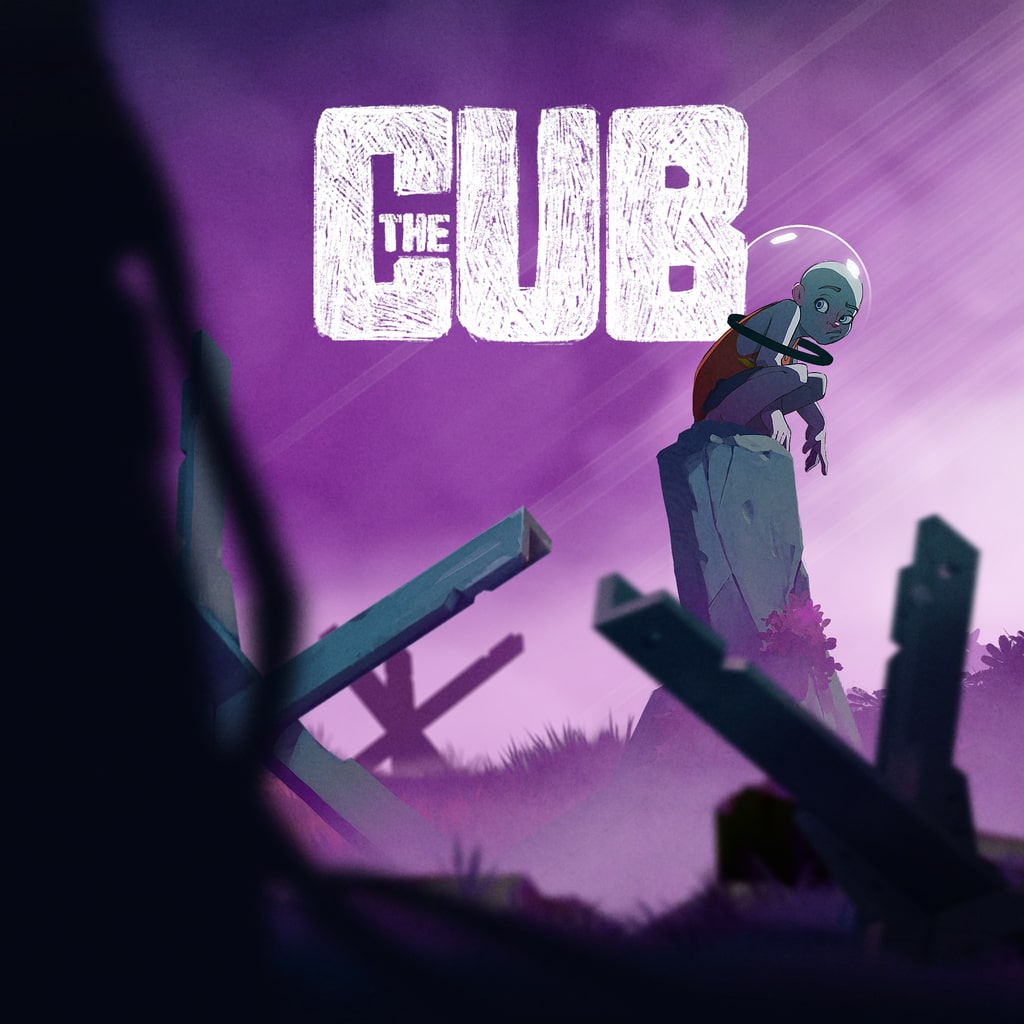
There is something fascinating about the way The Cub presents the end of the world. Most post-apocalyptic games focus on survival through violence, handing you weapons and asking you to fight your way through the ashes of civilisation. Demagog Studio takes a very different approach. Instead of battling armies or scavenging for supplies, you spend most of your time running, climbing, jumping, and escaping through the skeletal remains of a planet humanity abandoned long ago.
Set within the same universe as Golf Club Nostalgia and Highwater, The Cub continues the developer’s examination of environmental collapse and social inequality. It is a world where the wealthy escaped Earth’s destruction by relocating to Mars, leaving everyone else behind to face extinction. Decades later, Earth has transformed into something entirely new. Nature has reclaimed cities, wildlife has evolved, and against all odds, a single child has survived. That child is The Cub.
Raised in the wilderness and immune to the toxic conditions that devastated humanity, The Cub lives beyond the reach of civilisation until visitors from Mars discover his existence. What follows is a desperate chase across a dying world as the returning elite attempt to capture the one thing they never expected to find: a human who adapted to the apocalypse rather than escaping it. It is a simple premise, but one that carries surprising emotional weight throughout the adventure.
A Love Letter to Classic Platformers
The Cub wears its influences on its sleeve. Anyone who grew up playing side-scrolling platformers in the 16-bit era will immediately recognise the DNA running through its design. The fluid movement, environmental hazards, and emphasis on timing evoke memories of classics such as The Jungle Book, Aladdin, and The Lion King. Thankfully, this is not merely an exercise in nostalgia.
Movement feels responsive and satisfying throughout most of the journey. The Cub can sprint, climb, slide, swing, and leap across environmental obstacles with an agility that makes traversing the world consistently enjoyable. The platforming challenges gradually introduce new hazards without overwhelming the player, creating a steady sense of progression that keeps each level engaging.
Environmental puzzles are woven naturally into the platforming rather than existing as separate gameplay segments. Whether navigating collapsing structures, avoiding hostile wildlife, or finding clever paths through overgrown ruins, the game constantly encourages observation and experimentation.
The chase sequences deserve particular praise. These moments inject bursts of adrenaline into an otherwise contemplative experience, forcing quick reactions as futuristic hunters close in. The contrast between quiet exploration and frantic escape helps maintain momentum throughout the campaign. At its best, The Cub captures the feeling of classic cinematic platformers while avoiding many of the frustrations that plagued them.
A World That Speaks Without Words
What truly elevates The Cub above many of its genre contemporaries is its environmental storytelling. Every location feels carefully designed to convey something about the world that existed before humanity’s collapse.
Abandoned apartment blocks stand half-consumed by vegetation. Forgotten research facilities crumble beneath decades of neglect. Rusted machinery lies scattered across landscapes that have slowly reclaimed them. The game rarely pauses for lengthy exposition. Instead, it trusts players to absorb details through observation.
This approach creates a stronger emotional connection than many games achieve with far larger budgets. Exploring these spaces feels less like navigating levels and more like uncovering archaeological fragments of a lost civilisation. Each environment contains subtle clues about the arrogance, mistakes, and excesses that ultimately led to Earth’s downfall. A sadness is woven into every backdrop. Yet there is also hope. Nature has survived. Life continues. The world may be different, but it remains beautiful. That balance between melancholy and optimism gives The Cub much of its identity.
Radio Nostalgia From Mars
If the visual presentation forms the heart of The Cub, its audio design serves as the soul. Throughout the adventure, players tune in to Radio Nostalgia From Mars, a fictional broadcast that accompanies The Cub’s journey. What begins as background entertainment gradually becomes one of the game’s most effective storytelling tools.
The station features music, advertisements, interviews, and conversations from the privileged citizens living on Mars. These broadcasts paint a vivid picture of a society disconnected from the consequences of its actions. Some speakers reminisce about Earth with genuine sadness. Others discuss the planet as though it were little more than a distant curiosity. The result is equal parts satire, social commentary, and emotional reflection.
The accompanying soundtrack is equally impressive. The chill electronic tracks create an atmosphere unlike anything else in the genre. Rather than amplifying tension, the music often encourages contemplation. It transforms long stretches of platforming into strangely meditative experiences. Long after the credits roll, many players will remember the radio broadcasts as vividly as the gameplay itself.
Animation Worthy of the Big Screen
The Cub is one of the most visually striking indie games in recent memory. Every frame feels handcrafted, with extraordinary care and attention to detail. The animation style draws clear inspiration from late-1990s animated films. There are echoes of Tarzan, Atlantis, and The Road to El Dorado throughout the art direction, while the environmental storytelling occasionally recalls the stark beauty of Primal. Character movement remains fluid and expressive, helping the world feel alive even in quieter moments.
Colour plays a crucial role in establishing the game’s atmosphere. Rich greens, vibrant blues, and warm sunlight contrast beautifully with the decaying remnants of human civilisation. Rather than presenting a world consumed by darkness, The Cub celebrates the resilience of nature. The result is a game that often feels like an interactive animated film. Few indie titles achieve this level of visual cohesion.
Not Every Throwback Ages Gracefully
While The Cub modernises many elements of classic platformers, it also inherits some of their less appealing qualities. Some obstacles rely heavily on trial and error. Unexpected hazards occasionally appear with little warning, leading to deaths that feel more educational than fair. Although checkpoints are reasonably generous, repeating the same sequence several times can disrupt the game’s otherwise excellent pacing.
The controls generally perform well, but at times movement feels slightly less precise than the challenges demand. A mistimed jump or awkward landing can be frustrating, particularly in more demanding platforming sections.
The relatively short running time may also divide opinion. Most players will reach the ending within three to four hours. While the experience never overstays its welcome, some may wish the journey lasted a little longer. Still, these criticisms feel minor when set against the overall quality of the package.
Final Verdict
The Cub is far more than a nostalgic platformer wrapped in attractive artwork. It is a thoughtful exploration of environmental collapse, social inequality, and humanity’s complex relationship with the world it inhabits. Demagog Studio has crafted an experience that feels both familiar and refreshingly unique.
Its platforming occasionally stumbles into old-fashioned frustration, and its brief runtime leaves players wanting more. Yet these issues are overshadowed by exceptional visual artistry, unforgettable audio design, and a world that lingers in the mind long after completion.
Most importantly, The Cub has something meaningful to say. Beneath the parkour challenges and chase sequences lies a surprisingly poignant reflection on what humanity leaves behind and what survives after we’re gone.