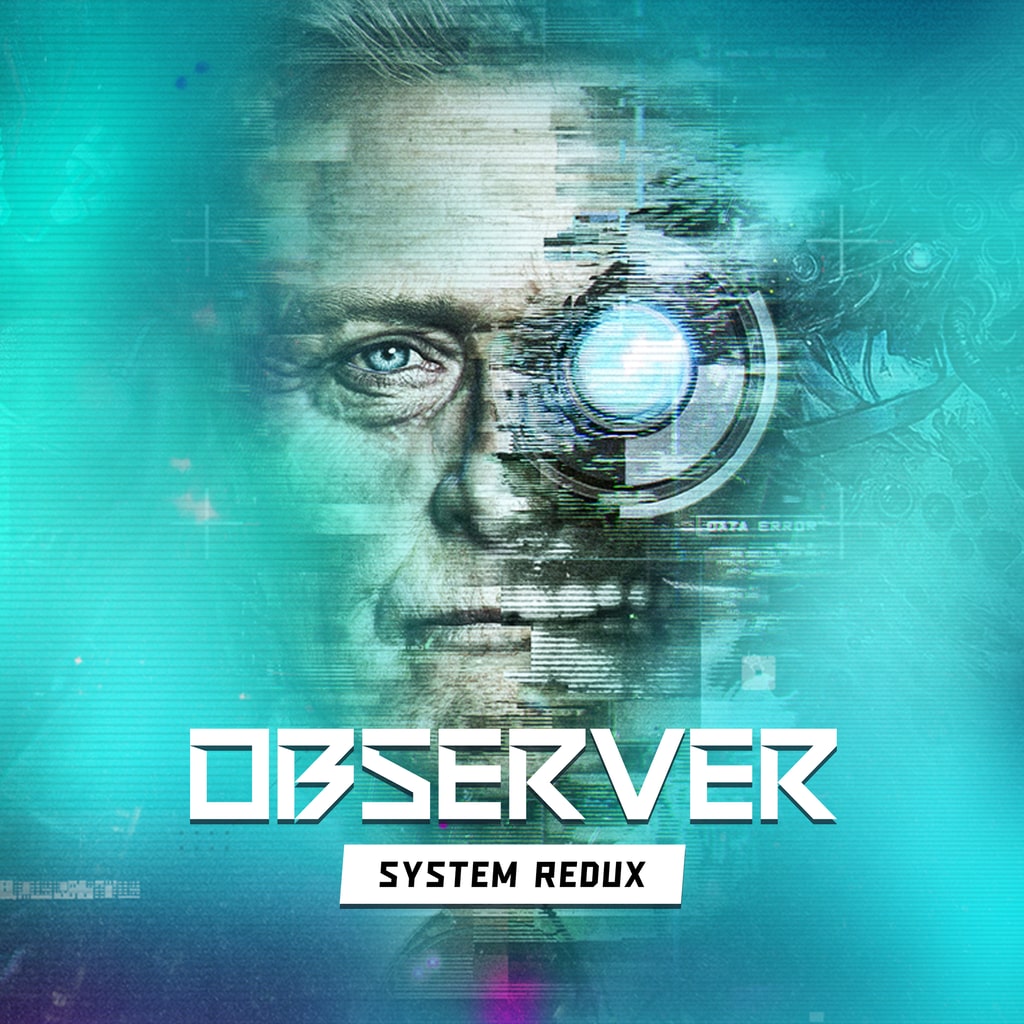
Cyberpunk has become one of gaming’s most popular settings, yet surprisingly few games truly grasp what makes the genre compelling. Too often, futuristic cityscapes become little more than backdrops for gunfights, explosions, and glowing neon signs. The best cyberpunk stories have always been about something deeper. They explore identity, memory, humanity, and the terrifying possibility that technology might eventually know us better than we know ourselves. Observer: System Redux understands this completely.
Originally released in 2017 and later rebuilt for modern hardware, Bloober Team’s psychological detective thriller remains one of the genre’s most distinctive experiences. While the studio has become increasingly recognised for its horror credentials, Observer may still be its most ambitious work. Rather than relying on monsters lurking in the shadows, it constructs a nightmare built from human consciousness itself. The result is a haunting blend of detective fiction, cyberpunk philosophy, and psychological horror that lingers long after the credits roll.
A City Drowning in Despair
The year is 2084, and the future has gone horribly wrong. After a devastating digital plague known as the Nanophage and a catastrophic global war, traditional governments have collapsed. Mega-corporations now control society, wielding power that extends far beyond politics. Citizens survive under oppressive surveillance, cybernetic augmentation is commonplace, and privacy is little more than a distant memory.
You play as Daniel Lazarski, an Observer employed by the powerful Chiron Corporation. Brought to life by the remarkable performance of the late Rutger Hauer, Daniel is not your typical video game protagonist. He is ageing, weary, emotionally scarred, and burdened by a lifetime of difficult choices. His gravelly voice alone carries more personality than many entire casts.
The story begins when Daniel receives a mysterious message from his estranged son. Following the trail leads him to a decaying apartment complex in the heart of Kraków’s slums. When a lockdown seals the building shortly after his arrival, what begins as a missing-persons investigation quickly spirals into something far darker.
The beauty of Observer’s narrative lies in its restraint. It trusts players to piece together information rather than constantly explaining itself. Every apartment, terminal, and conversation adds another fragment to a larger puzzle. The further Daniel digs, the more unsettling the truth becomes.
A Detective Unlike Any Other
At its core, Observer is a detective game. Daniel has specialised implants that let him investigate crime scenes with extraordinary precision. Through various vision modes, players scan environments for biological evidence, electronic signals, hidden clues, and digital traces left by victims and suspects.
The investigative gameplay feels surprisingly engaging because it never simply hands players solutions. Crime scenes demand careful observation. Tiny details often reveal critical information, rewarding patience and attention.
What truly sets Observer apart from other detective adventures is the Dream Eater. This device allows Daniel to enter the minds of the dead and dying, exploring their final memories in search of answers. It is here that Observer transforms from a fascinating cyberpunk mystery into something genuinely unforgettable.
The Horror Inside the Mind
The Dream Eater sequences remain among the most inventive horror experiences of the last decade. Once inside another person’s consciousness, reality begins to unravel. Corridors twist impossibly. Walls bleed. Entire environments shift without warning. Memories merge with fears, regrets, and trauma until it becomes impossible to separate fact from nightmare.
These sections are not merely visual showcases. They offer insight into the individuals whose minds you explore. Every disturbing image reflects something personal about the victim. Their fears become architecture. Their memories become pathways. Their psychological scars become obstacles.
Bloober Team demonstrates extraordinary creativity throughout these moments. No two dream sequences feel identical. Some are deeply tragic. Others are terrifying. Many are both at once. More importantly, they serve the story rather than distracting from it.
The horror works because it emerges from human suffering rather than relying on cheap jump scares. Observer understands that the most frightening places are often inside our own heads.
A Stunning Vision of 2084
System Redux remains visually impressive years after its release. The enhanced lighting, upgraded textures, and ray-tracing support transform the game’s environments into a breathtaking dystopian nightmare. Every corridor feels oppressive. Every apartment tells its own story through environmental detail. Neon reflections dance across rain-soaked surfaces as flickering monitors illuminate cramped living spaces filled with desperation.
The apartment complex itself becomes a character. Its residents represent every layer of this broken society. Cybernetic addicts, struggling workers, paranoid shut-ins, and forgotten dreamers all occupy tiny corners of a world that has largely abandoned them. Exploring their homes reveals an extraordinary amount of world-building without ever feeling forced.
The atmosphere is relentless. From the constant hum of machinery to the distant echoes of distorted voices, everything contributes to a sense of unease. Few games create such a convincing sense of existing within a dying society.
The Weight of Human Memory
One of Observer’s greatest strengths is its willingness to tackle difficult themes. Beneath the murder mystery lies a thoughtful examination of memory, identity, family, and mortality. Daniel’s relationship with his son forms the story’s emotional backbone, grounding the larger science-fiction concepts in something deeply personal.
The game repeatedly poses unsettling questions. If memories can be altered, can they still be trusted? If consciousness can be digitised, what happens to individuality? If corporations can literally access your thoughts, is freedom even possible?
These ideas are explored thoughtfully rather than treated as simple background flavour. Observer rarely offers easy answers. Instead, it encourages players to sit with its questions long after the story concludes.
Not for Everyone
As brilliant as Observer: System Redux can be, it will not appeal to every player. This is an intentionally slow experience. Exploration, investigation, reading documents, and listening to conversations take far longer than traditional gameplay mechanics. Players expecting action-heavy combat may struggle with its deliberate pace.
The dream sequences can also become visually overwhelming. Intense visual distortion, flashing imagery, and aggressive glitch effects are central to the experience, but they occasionally border on sensory overload during longer sessions.
Some players may also find the later sections slightly less focused than the tightly controlled opening chapters. The narrative occasionally descends into philosophical rabbit holes that risk obscuring the central mystery. Fortunately, these issues do little to diminish the overall impact.
Final Verdict
Observer: System Redux remains one of the finest cyberpunk experiences available today. It captures the genre’s paranoia, philosophical depth, and emotional complexity far better than many bigger-budget productions.
Bloober Team has crafted a world that feels genuinely lived-in, populated by broken people struggling to survive within a system designed to exploit them. The detective mechanics are engaging, the storytelling is intelligent, and the dream sequences remain among the most inventive examples of psychological horror in gaming.
Most importantly, Observer possesses something many modern releases lack: confidence. It never chases trends or compromises its vision. It tells exactly the story it wants to tell, using every tool at its disposal to create an unforgettable atmosphere.
The enhanced visuals and additional content in System Redux only strengthen an already exceptional foundation. Combined with Rutger Hauer’s remarkable performance, the result is a haunting journey into the darkest corners of human consciousness.
Observer: System Redux is not simply a detective story, a horror game, or a cyberpunk adventure. It is all of those things woven together into a singular experience that remains remarkably difficult to forget. For players willing to embrace its slower pace and philosophical themes, this is one of the most rewarding dystopian journeys gaming has produced.