The fantasy genre has never lacked heroes. Every year brings another world-threatening catastrophe, another legendary artefact, and another chosen champion destined to save the realm. Tavern Talk Stories: Dreamwalker takes a refreshingly different approach. Rather than placing players on the front lines of an epic war, it asks them to stand behind a bar, listen to weary travellers, and help guide lost souls through some of the most difficult moments of their lives.
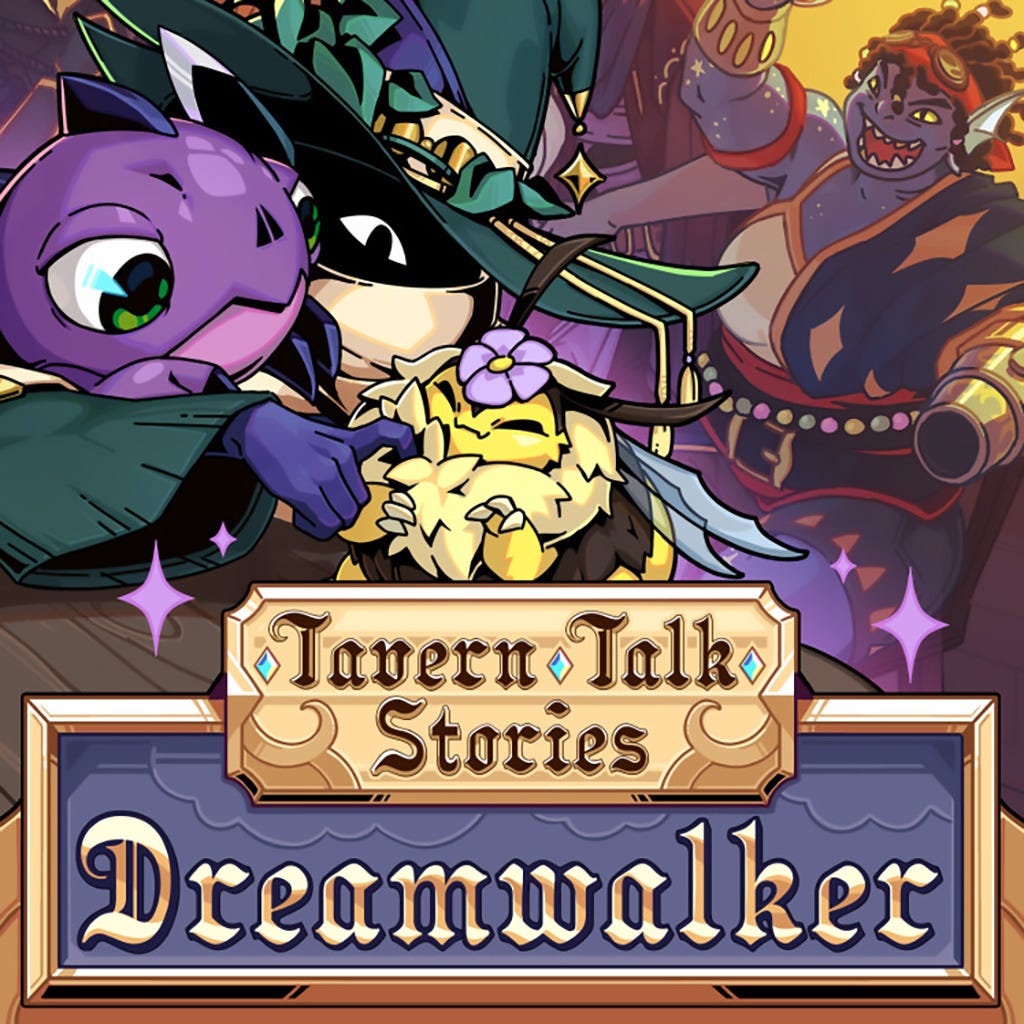
Developed and published by Gentle Troll Entertainment, Dreamwalker is a standalone story set decades before the events of the original Tavern Talk. Even newcomers can jump in without prior knowledge. Set within the cosy confines of The Drowsy Dragon, a small tavern tucked away in a seaside town, the game trades grand political intrigue for something far more personal. This is a story about friendship, grief, healing, and the power of understanding others.
What emerges is a visual novel that feels remarkably sincere. It is comforting without being shallow, emotional without becoming melodramatic, and surprisingly thoughtful in its exploration of both fantasy and humanity.
The Tavernkeeper’s Greatest Tool
You once again step into the role of a magical tavernkeeper, gifted with the unusual ability to alter fate through carefully crafted drinks. It is a wonderfully whimsical concept that immediately sets Dreamwalker apart from more traditional fantasy adventures. Rather than fighting monsters directly, your primary role is to listen to your patrons, understand their needs, and prepare beverages that might help them confront whatever challenges await.
The cast consists of eight major characters, each carrying their own burdens, hopes, fears, and dreams. Some arrive seeking adventure. Others arrive seeking comfort. Over the course of the story, you gradually learn about their histories, motivations, and the emotional wounds they carry beneath the surface. The writing excels at making these individuals feel distinct and believable, ensuring that each conversation feels worthwhile.
What makes these interactions particularly engaging is the game’s emphasis on empathy. Success rarely comes from simply selecting the obvious dialogue option. Instead, you must pay attention to what people are really saying, interpreting emotional cues and hidden concerns that influence the choices you make behind the bar.
Mixing More Than Drinks
The mixology system returns from the original Tavern Talk, albeit in a more refined form. While it remains mechanically straightforward, it serves an important narrative function throughout the experience. Each ingredient affects a combination of attributes such as Strength, Dexterity, Intelligence, Charisma, and Defence. Patrons rarely tell you exactly what they need, leaving you to decipher clues in their conversations.
This turns every drink order into a small puzzle. One character may need confidence before facing a challenge, while another might need calm reflection rather than increased courage. The game encourages players to consider personalities and emotional states rather than simply memorising recipes. It is a clever system because it reinforces the central theme of understanding others.
Importantly, the mechanics never become overly complicated. Dreamwalker understands that its primary focus is storytelling. The mixology acts as an engaging companion to the narrative rather than an obstacle. Even players who typically avoid puzzle elements should find the system approachable and enjoyable.
Dreams, Memories, and Grief
While Dreamwalker initially presents itself as a cosy fantasy tale, it gradually reveals a deeper emotional core. Themes of loss, grief, and personal trauma run throughout the narrative. The game explores how people process painful experiences and how unresolved emotions can shape their lives in unexpected ways.
To its credit, the writing handles these subjects with considerable maturity. The story never feels manipulative or eager to provoke tears through cheap emotional tricks. Instead, it allows difficult moments to emerge naturally through character development and dialogue. As a result, the emotional beats land with genuine impact.
The dream-focused narrative framework also allows the writers to explore abstract emotions in creative ways. Characters often confront fears, regrets, and memories within surreal dreamscapes that blur the line between fantasy and reality. These sequences provide some of the game’s strongest moments, combining imaginative world-building with meaningful character growth.
By the time the larger mystery begins to unfold, Dreamwalker has already invested players deeply in its cast. The stakes feel significant not because a kingdom is in danger, but because the people you have come to know are struggling to protect pieces of themselves.
A World You Want to Stay In
Atmosphere has always been one of Tavern Talk’s greatest strengths, and Dreamwalker continues that tradition beautifully. The coastal setting gives the game a distinct identity from its predecessor. Gentle waves, warm lantern light, and cosy interiors create a comforting backdrop that makes returning to the tavern feel like coming home.
The visual presentation is consistently charming. Character portraits are expressive and full of personality, helping conversations feel lively despite the visual novel format. Background artwork captures the peaceful beauty of a seaside fantasy settlement while still allowing moments of darkness and unease to emerge when the story demands it.
The soundtrack deserves particular praise. Soft melodies and relaxing fantasy themes perfectly complement the game’s tone. The music rarely demands attention, yet it constantly enhances the emotional atmosphere of every scene. Whether sharing a quiet conversation or confronting a painful memory, the audio consistently elevates the experience.
Choices That Carry Weight
One of Dreamwalker’s most appealing features is its branching narrative structure. The decisions you make throughout the story influence character outcomes and ultimately determine which of the three endings you receive. While some visual novels offer choices that feel largely cosmetic, the decisions here often carry meaningful consequences.
The game succeeds because those choices rarely feel arbitrary. Outcomes stem from how well you understand the people around you and how effectively you respond to their needs. This creates a satisfying sense of agency that extends beyond simple dialogue selection.
This design significantly boosts replay value. A first playthrough typically lasts around six hours, but multiple endings and alternative outcomes provide strong incentives to revisit the story. Players curious about different character arcs will likely find themselves returning for additional runs.
Familiar Comforts and Minor Limitations
Dreamwalker’s greatest strength may also be its greatest limitation. The game remains firmly rooted in the visual novel genre. Those expecting complex management mechanics, elaborate role-playing systems, or fast-paced gameplay may find the experience too passive. Reading remains the dominant activity throughout the adventure.
Veterans of the original Tavern Talk may also notice that many interface elements and core systems feel familiar. The refinements are welcome, but this is an evolution rather than a complete reinvention. Players hoping for dramatic mechanical changes may find the experience a little conservative.
Fortunately, the quality of the writing helps overcome most of these concerns. When the characters are this engaging and the world this inviting, spending several hours reading conversations rarely feels like a chore.
Final Verdict
Tavern Talk Stories: Dreamwalker is a wonderful example of the power of intimate storytelling. By focusing on personal struggles rather than world-ending threats, it creates a fantasy adventure that feels surprisingly human. Its cast is memorable, its atmosphere wonderfully comforting, and its emotional themes resonate long after the final conversation ends.
The gameplay remains intentionally light, and players seeking constant action will not find it here. Yet for fans of visual novels, character-driven narratives, and cosy fantasy worlds, Dreamwalker offers a genuinely rewarding journey. Gentle Troll Entertainment has crafted a story that understands the importance of listening, empathy, and connection.
Sometimes the most important magic is not found in ancient relics or legendary spells. Sometimes it is found in a warm tavern, a carefully prepared drink, and a conversation shared between friends.