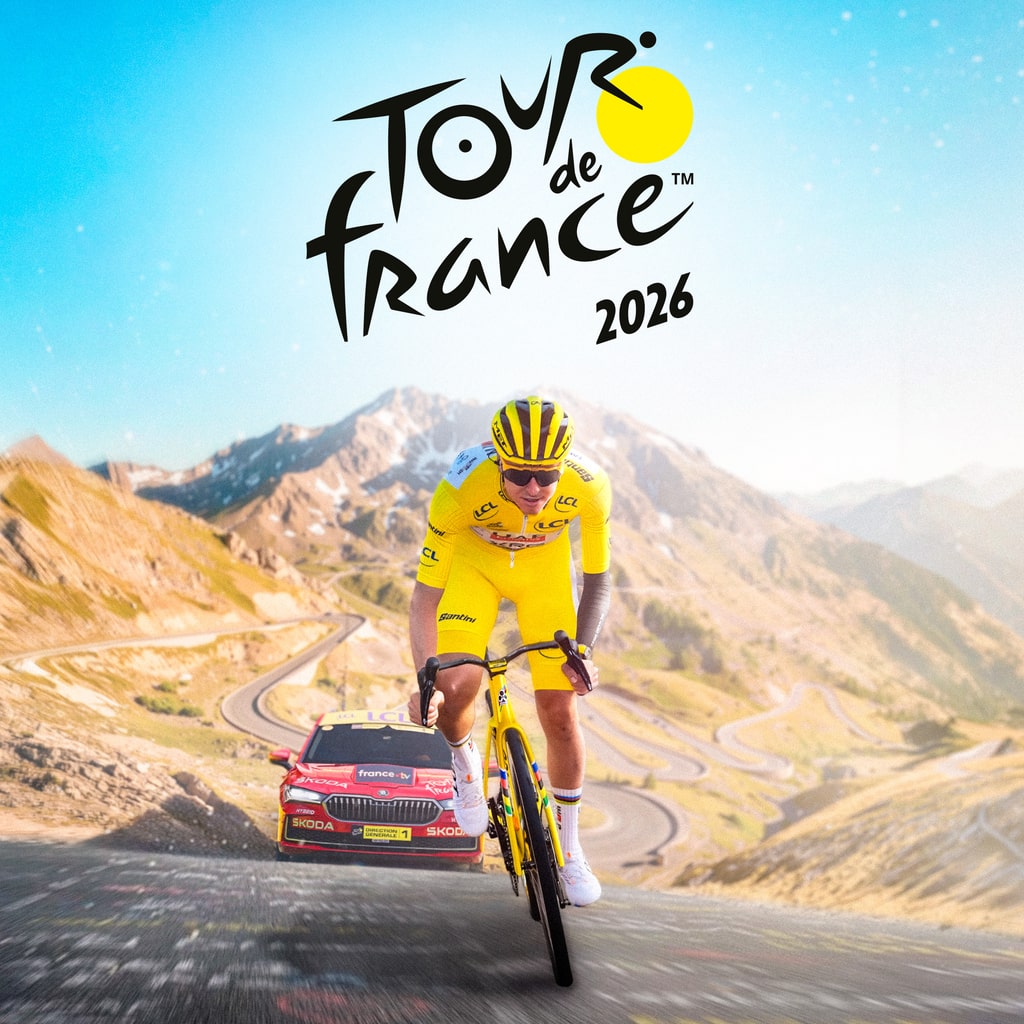
For years, the Tour de France series has quietly occupied a distinctive niche in the sports gaming landscape. While football, basketball, and racing games often dominate the headlines, Cyanide Studio’s annual cycling simulation has steadily refined its craft, appealing to players who value strategy, patience, and the subtle drama that unfolds over hours rather than seconds. Tour de France 2026 continues that tradition, introducing several meaningful improvements that make this year’s edition feel more substantial than a routine seasonal update.
Cycling is a sport built on countless variables. Weather shifts, team tactics evolve, riders crack under pressure, and opportunities emerge in the most unexpected moments. Capturing those nuances has always been the series’ greatest challenge. This year, the developers come closer than ever to recreating the unpredictability of professional cycling, resulting in an experience that feels remarkably authentic.
Weather Becomes a True Competitor
The standout addition is undoubtedly the dynamic weather system. On paper, changing weather conditions may sound like a modest feature, but in practice it transforms how races unfold from start to finish.
Stages can now begin under clear skies before dark clouds roll in and rain falls. Roads become slick, corners treacherous, and technical descents suddenly demand far more concentration. Rather than simply adding visual effects, the weather fundamentally alters gameplay. Players must adapt their riding style, choose safer racing lines, and think carefully about when to push and when to preserve their position.
The effect is particularly noticeable during mountain stages. Descending at high speed has always carried risk, but rain adds a genuine sense of tension that was previously absent. A single mistake can cost valuable seconds or even derail an entire stage strategy. It creates the kind of uncertainty that mirrors real-world cycling beautifully and adds another layer of tactical depth to every race.
The Art of Managing a Team
One of the most rewarding aspects of the Tour de France has always been its emphasis on teamwork. Unlike many sports games where individual stars dominate, cycling relies heavily on cooperation and careful planning.
Tour de France 2026 strengthens this aspect through its revamped Team Time Trial system. Managing relay orders, protecting your designated leader, and balancing the energy reserves of multiple riders create a compelling strategic challenge. Every decision matters because the leader’s finishing time ultimately determines success.
The improvements make the mode more engaging without sacrificing complexity. There is genuine satisfaction in watching a carefully organised team execute a flawless rotation strategy while maintaining maximum efficiency. The mode finally feels as important and exciting as its real-world counterpart.
Throughout the rest of the game, team management remains one of the franchise’s greatest strengths. Protecting key riders, organising breakaways, and deciding when to chase down attacks all contribute to a constant sense of tactical involvement.
A Bigger and More Varied Season
The expanded racing calendar is another welcome improvement. While the Tour itself remains the centrepiece, the addition of new licensed races helps create a more complete cycling season.
The Muscat Classic brings scorching conditions and punishing climbs that immediately stand out from traditional European routes. The steep gradients demand careful energy management and offer a fresh challenge even for experienced players. Meanwhile, Paris-Tours introduces muddy dirt sections, making bike handling and positioning as important as physical endurance.
These additions help break up the season and ensure races feel distinct from one another. Rather than simply moving from one stretch of tarmac to another, players must constantly adapt to different conditions and strategic demands.
The inclusion of new World Championship routes further expands the variety on offer. Whether racing through Oman, Italy, the Basque Country, or France, each course presents its own unique challenges and opportunities.
Strategy Above Speed
What continues to set Tour de France apart from other sports titles is its commitment to strategy over spectacle. This is not a game where success comes from flooring the accelerator and reacting quickly. Instead, victory depends on understanding energy conservation, race positioning, drafting mechanics, and team coordination. Players must think several kilometres ahead, anticipating how races will develop rather than simply reacting to immediate situations.
That approach will not appeal to everyone. Some stages feature long periods when maintaining position and conserving stamina matter more than dramatic overtakes. Yet those quieter moments are essential because they make the decisive attacks feel meaningful.
When a carefully planned breakaway succeeds after half an hour of preparation, the payoff is immensely satisfying. Few sports games capture the feeling of executing a long-term strategy quite as effectively as Tour de France 2026.
Presentation Continues to Improve
Visually, the series continues to build on the foundations laid by recent entries. The official 2026 route has been recreated with impressive attention to detail, allowing players to ride past iconic landmarks such as Barcelona’s Sagrada Família and the famous streets of Montmartre.
The peloton feels more alive than ever, with riders moving naturally across varied terrain and weather conditions. Rain effects add atmosphere without becoming distracting, while environmental details help each location feel distinct and memorable.
The updated in-race interface is another success. Information is presented more clearly, making it easier to monitor rider condition, team orders, and race developments without overwhelming the player. It strikes a good balance between accessibility and depth.
Customisation also receives welcome attention. New bike frame options, weather-specific clothing, and official national champion jerseys add authenticity and personality. These may seem like small additions individually, but together they contribute significantly to immersion.
A Demanding Ride
Despite its improvements, Tour de France 2026 remains a highly specialised sports simulation. Players unfamiliar with professional cycling may initially find its systems intimidating. Understanding stamina management, drafting, team roles, and race tactics takes time, and the game expects players to engage with these mechanics rather than ignore them. The new rain tutorial helps ease the learning process, but there is still a noticeable learning curve.
There are also occasional moments when AI behaviour feels slightly inconsistent. While improvements are evident, riders can sometimes make questionable positioning decisions or react unpredictably in crowded situations. These moments are relatively infrequent, but they remain one of the few lingering issues that prevent complete authenticity. Fortunately, the strengths of the overall package far outweigh these concerns.
Final Verdict
Tour de France 2026 is one of the franchise’s strongest entries and a clear example of meaningful iteration done right. The dynamic weather system adds genuine unpredictability, the expanded race calendar introduces fresh challenges, and the revamped Team Time Trial mode captures the strategic complexity that makes professional cycling so compelling. Every major addition feels purposeful and directly enhances the overall experience.
What stands out most is how seamlessly these features integrate into the existing framework. Nothing feels like a gimmick or a marketing bullet point. Instead, the game consistently reinforces the idea that cycling is a sport defined by preparation, adaptation, and intelligent decision-making. Whether battling through rain-soaked descents or coordinating a perfectly timed attack, players are constantly encouraged to think like real competitors.
The game still demands patience and a willingness to learn its systems. Casual players seeking immediate thrills may find the pace slower than expected, and minor AI quirks occasionally disrupt the illusion. Yet for fans of cycling and sports simulations, these shortcomings are easy to forgive given the quality of the experience.
Tour de France 2026 captures the drama, tension, and beauty of professional cycling better than any previous entry in the series. It is a thoughtful, rewarding simulation that understands exactly what makes the sport special and delivers an experience worthy of wearing the yellow jersey.