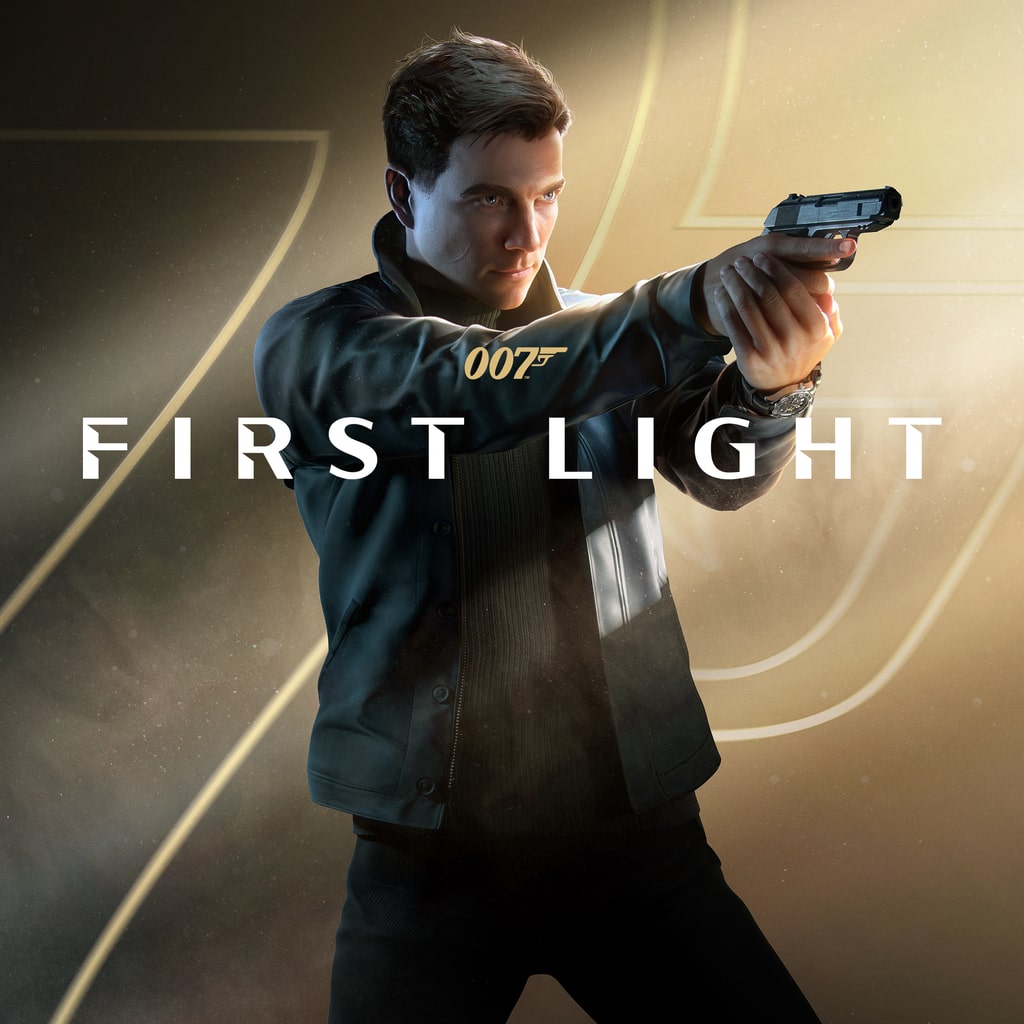
It has been a long wait for James Bond fans, but 007 First Light makes it feel as if the series has been quietly evolving in the shadows rather than disappearing entirely. Developed by IO Interactive, the studio behind Hitman, the game understands stealth not as a gimmick but as rhythm. What stands out immediately is how it reimagines Bond at the very start of his Double 0 journey. This is not the untouchable super-spy of later films, but a younger, more volatile agent still learning when to observe, when to manipulate, and when to strike.
Moment-to-moment gameplay feels like a natural evolution of IO’s stealth DNA. If Hitman was about patience and creative improvisation within controlled sandboxes, First Light leans more heavily into cinematic pacing and structured mission storytelling. That shift is noticeable, but it never feels restrictive. Instead, it gives missions a sense of urgency that suits Bond’s world. You are still sneaking through guarded compounds, disabling security systems, and exploiting disguises, but now those actions are framed within tighter narrative stakes that push you forward rather than letting you linger indefinitely.
What truly elevates the gameplay is how fluidly it transitions between stealth and action. Bond can remain invisible for long stretches, blending into crowds, bluffing his way past security, or quietly disabling targets with gadgets. Then, in an instant, everything can collapse into close-quarters chaos. The hand-to-hand combat system is especially impressive, focusing on weight and momentum rather than flashy complexity. Throws feel impactful, counters are responsive, and environmental interactions add a cinematic flair that never feels forced. One moment you are silently tailing a suspect, and the next you are sliding across polished floors while disarming guards mid-motion.
Gunplay is equally confident. IO Interactive has avoided turning Bond into a generic shooter character, instead designing firefights that feel both desperate and controlled. Ammunition is not something you spray carelessly, and positioning matters far more than raw reaction speed. This keeps tension high, especially when missions spiral out of control and stealth gives way to improvised survival.
Perhaps the most authentic Bond element, however, is choice. Players are constantly given alternative solutions that reflect different interpretations of the character. You can talk your way into restricted areas, manipulate social situations, or rely on gadgets that feel lifted straight from MI6’s imagination. This flexibility creates a sense that Bond is defined not by a single playstyle, but by how confidently you commit to any of them.
Story & Characters
The narrative of 007 First Light is one of its strongest pillars. Rather than retelling familiar film events, IO Interactive has chosen to construct a completely new origin for James Bond, focusing on his early recruitment into the revived Double 0 programme. At just 26, this Bond is still rough around the edges, driven more by instinct and arrogance than by refined professionalism. That choice gives the story a refreshing vulnerability that older interpretations often lack.
Patrick Gibson’s performance as Bond is excellent, capturing both charm and instability in equal measure. He is not yet the polished icon of cinema, but someone who still makes mistakes, pushes boundaries too far, and occasionally pays for them. That unpredictability makes him far more engaging than a purely competent protagonist. His relationship with his reluctant mentor, Greenway, played with quiet authority by Lennie James, adds emotional weight to the narrative. Their dynamic feels grounded, often tense, and occasionally surprisingly tender as it explores duty versus trust.
Supporting characters are equally well realised. Noémie Nakai’s Isola Vale brings intelligence and ambiguity to the classic “Bond girl” archetype, while Gemma Chan’s Selina Tan provides analytical grounding through psychology and strategy. Lenny Kravitz as Bawma steals scenes whenever he appears, delivering flamboyance that masks genuine threat. None of these characters feel like decorative additions. They are woven into the narrative structure in ways that influence Bond’s decisions and emotional development.
The plot itself unfolds like a modern spy thriller rather than a traditional episodic Bond adventure. It is less about isolated missions and more about a growing conspiracy that reaches the highest levels of power. While some narrative beats follow familiar espionage patterns, the execution remains sharp enough to sustain tension throughout.
Presentation & Atmosphere
Visually, 007 First Light is one of the most striking espionage games ever produced. Built on IO’s Glacier engine, it showcases dense environments with dynamic lighting, reflective surfaces, and volumetric smoke that reacts convincingly to movement and gunfire. Whether infiltrating a neon-lit gala or navigating rain-soaked industrial complexes, every location feels carefully crafted to support both stealth and spectacle.
The soundtrack deserves particular praise. It adapts dynamically to player behaviour, shifting between subtle tension and orchestral intensity depending on how discreet or aggressive your actions are. The inclusion of an original theme song performed by Lana Del Rey adds unexpected emotional depth that lingers beyond gameplay sessions. It is haunting in a way that suits this younger, more uncertain version of Bond.
Overall, the sound design reinforces immersion. Footsteps echo differently depending on the surface, distant conversations can provide useful intel, and weapon audio carries weight without overwhelming stealth cues. It is a carefully balanced system that prioritises awareness as much as atmosphere.
Structure & Replayability
Unlike IO’s more open-ended Hitman structure, First Light is built around a tighter 15- to 20-hour campaign. This decision will divide some players, particularly those who enjoy endlessly replayable sandbox experimentation. However, the trade-off is a more cinematic and focused experience that maintains narrative momentum without losing its identity to repetition.
Replayability remains through mission modifiers and alternate approaches. Players can revisit assignments with different tools, strategies, and constraints, revealing new paths and interactions that were not obvious on a first playthrough. It does not match Hitman’s systemic depth, but it offers enough flexibility to encourage experimentation.
Final Verdict
007 First Light succeeds because it understands what James Bond should feel like, rather than merely what he should do. IO Interactive has created a version of Bond who is still forming, still learning, and still capable of failure, making his victories far more satisfying. The blend of stealth, cinematic action, and character-driven storytelling yields a spy thriller that feels confident without being overbearing.
It is neither a sandbox experiment in disguise nor a purely linear action game. Instead, it occupies a carefully balanced middle ground that prioritises pacing, atmosphere, and personality. Some players may miss Hitman’s expansive freedom, but what replaces it is a more focused, emotionally coherent journey.
For long-time Bond fans and stealth enthusiasts alike, 007 First Light feels like a statement. James Bond is back, but he is not yet invincible. He is learning, adapting, and, most importantly, becoming the legend everyone already knows.