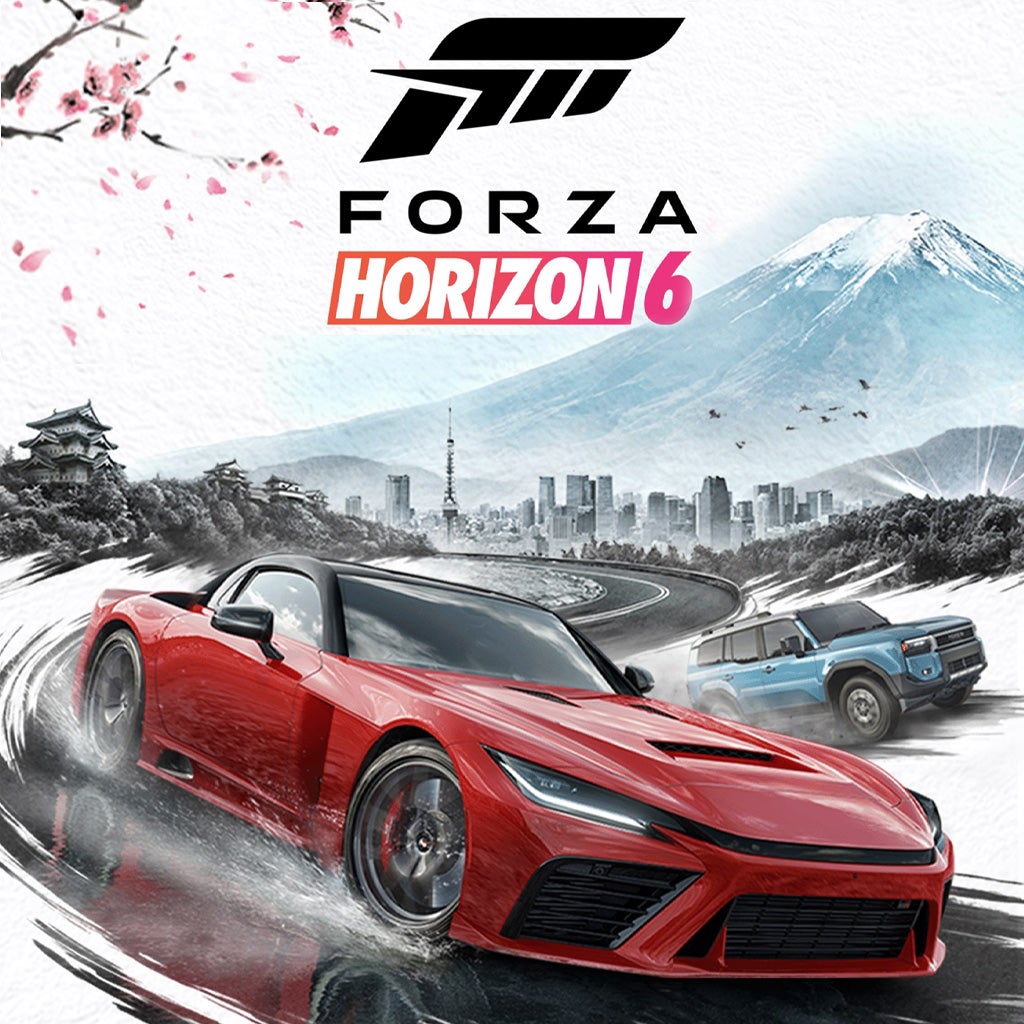
For years, one request echoed across every Forza Horizon discussion, every wishlist thread, and every fan mock-up and dream map concept: “Take Horizon to Japan.” It became the series’ white whale. Every new reveal cycle brought speculation, hope, disappointment, and another round of beautifully edited fake trailers featuring neon streets and mountain passes. Forza Horizon 6 finally answers that call.
The result is not simply Japan as a backdrop. Playground Games has built a celebration of car culture that feels deeply connected to the place itself. From quiet country roads framed by cherry blossoms to neon-soaked expressways cutting through Tokyo’s skyline, this is the most ambitious Horizon world yet. More importantly, it is the first time in years that the series feels genuinely refreshed rather than merely expanded. This is not just another Horizon festival. It feels like a love letter.
The Best Map Playground Has Ever Built
Every Horizon game lives or dies by its world. Mexico in Forza Horizon 5 was enormous and visually varied, but parts of it occasionally felt too open, almost overwhelming in scale. Japan changes the rhythm completely.
The map in Forza Horizon 6 feels denser, more handcrafted, and constantly surprising. Rural villages blend into winding forests. Small mountain towns lead naturally into tight touge roads that snake across steep hillsides. Then, suddenly, you emerge into sprawling city districts, alive with signs, traffic, rain-soaked asphalt, and towering skylines.
Tokyo is the headline act, and deservedly so. This urban playground is easily the largest city Playground has attempted. Industrial ports, elevated highways, backstreet alleys, nightlife districts, and packed commercial areas create a racing environment unlike anything the series has attempted before. At night, the city becomes almost hypnotic. Reflections dance across wet roads while traffic lights blur into streaks of colour at high speed. It captures the fantasy many players have wanted for years.
Touge Racing Changes Everything
The biggest gameplay addition is Touge Battles, which immediately become one of Horizon 6’s strongest features. These mountain races embrace Japan’s drifting heritage and underground street culture. The focus shifts from raw speed to precision. Tight hairpins, elevation changes, controlled slides, and momentum management become essential.
Suddenly, every corner matters. Driving a tuned Nissan Skyline through narrow downhill passes at dusk feels completely different from blasting across open desert highways. The roads demand attention. The cars feel alive beneath you. Drift handling has been beautifully refined, rewarding commitment without feeling punishing. The mountain regions quickly became my favourite part of the game. There is something magical about carving through mist-covered forests while taillights disappear around the next bend.
Car Culture Finally Takes Centre Stage
The series has always celebrated cars, but Forza Horizon 6 goes further by embracing the culture around them. The expanded housing system introduces estates that function as personal spaces rather than simple menu hubs. You can walk through garages, arrange vehicles, customise displays, and gradually build impressive collections across multi-tier properties.
It sounds small on paper, but it adds surprising warmth. Seeing your favourite cars physically parked together creates an attachment that menus never could. After hours spent tuning and racing, returning home to admire your collection feels strangely satisfying.
The vehicle roster itself is immense, with more than 550 cars at launch. JDM icons understandably take centre stage, but the selection remains broad enough for every kind of player. Whether you love vintage tuners, hypercars, rally machines, or modern performance monsters, there is always another vehicle calling your name. Customisation also feels deeper than before. Visual tuning options lean heavily into Japanese styling influences without becoming restrictive. It is easy to lose entire evenings tweaking builds.
Horizon Still Knows How To Feel Joyful
One thing Playground consistently understands is joy. The Horizon series has always excelled at crafting moments rather than mere events. Forza Horizon 6 continues that tradition beautifully.
You might start a session planning a few races. Two hours later, you have accidentally joined a drift convoy through Tokyo, photographed your car beneath cherry trees, challenged strangers to time attacks, and somehow ended up exploring a hidden mountain shrine. The game constantly nudges curiosity.
Time Attack circuits add another competitive layer for players chasing leaderboard supremacy. Multiplayer feels more focused this time, especially in dedicated events centred on drifting and technical driving. The social side of Horizon remains one of its greatest strengths.
Visually Stunning, Occasionally Too Safe
Technically, this is the most impressive Horizon yet. Lighting is extraordinary. Weather effects create atmosphere without compromising visibility. Rain on Tokyo’s streets looks incredible, while autumn forests glow with rich colour palettes. Performance remains excellent even during chaotic races. Yet despite all this beauty, some familiar Horizon issues remain.
The festival structure still feels overly cheerful and safe. Everyone is endlessly supportive. Rivalries rarely carry weight. The world is gorgeous but emotionally frictionless. After six games, there remains a sense that Horizon avoids meaningful tension. Progression also remains extremely generous.
Cars arrive constantly. Rewards flow rapidly. Within hours, you are swimming in wealth and high-end vehicles. Some players love that abundance, but others may miss the slower sense of earning success. There are moments when the game feels almost afraid to say no.
The Sound Of Speed
Audio deserves special praise. Engines roar with incredible texture. Different surfaces subtly shape the sound design. City ambience shifts naturally between districts. The soundtrack also benefits from stronger curation this time around.
Electronic beats dominate Tokyo nights, while calmer tracks suit rural exploration beautifully. Combined with environmental audio, the result creates countless moments when everything simply clicks. Car, road, weather, music. Perfect alignment.
The Horizon Dream Realised
The greatest achievement of Forza Horizon 6 is that it justifies the years of anticipation. Japan could easily have felt like fan service. Instead, it reshapes the series’ identity. Touge racing changes how roads are designed. Urban density transforms exploration. Car culture becomes tangible rather than decorative.
The game still carries some Horizon habits that feel overly familiar. The progression curve remains forgiving, and the festival atmosphere occasionally lacks edge. Yet none of that diminishes the magic. This world is special.
You feel it when drifting through mountain fog. You feel it when Tokyo’s lights reflect across your bonnet at midnight. You feel it when pulling into your garage after a long session and seeing the collection you built sitting quietly beneath a neon glow. That is Horizon at its best. Not racing for the podium. Driving because you do not want the journey to end.
Final Verdict
Forza Horizon 6 is the series at its most confident and visually ambitious. Japan proves the perfect destination, delivering a world rich in atmosphere, variety, and authentic automotive passion.
The new Touge systems transform the driving dynamics. Tokyo is spectacular, and the estate mechanics add personality to player progression. Familiar issues remain, particularly with pacing and the relentlessly upbeat festival structure, but they are minor blemishes on an otherwise outstanding racer. Playground Games finally gave players the Horizon they had imagined for years. It was worth the wait.