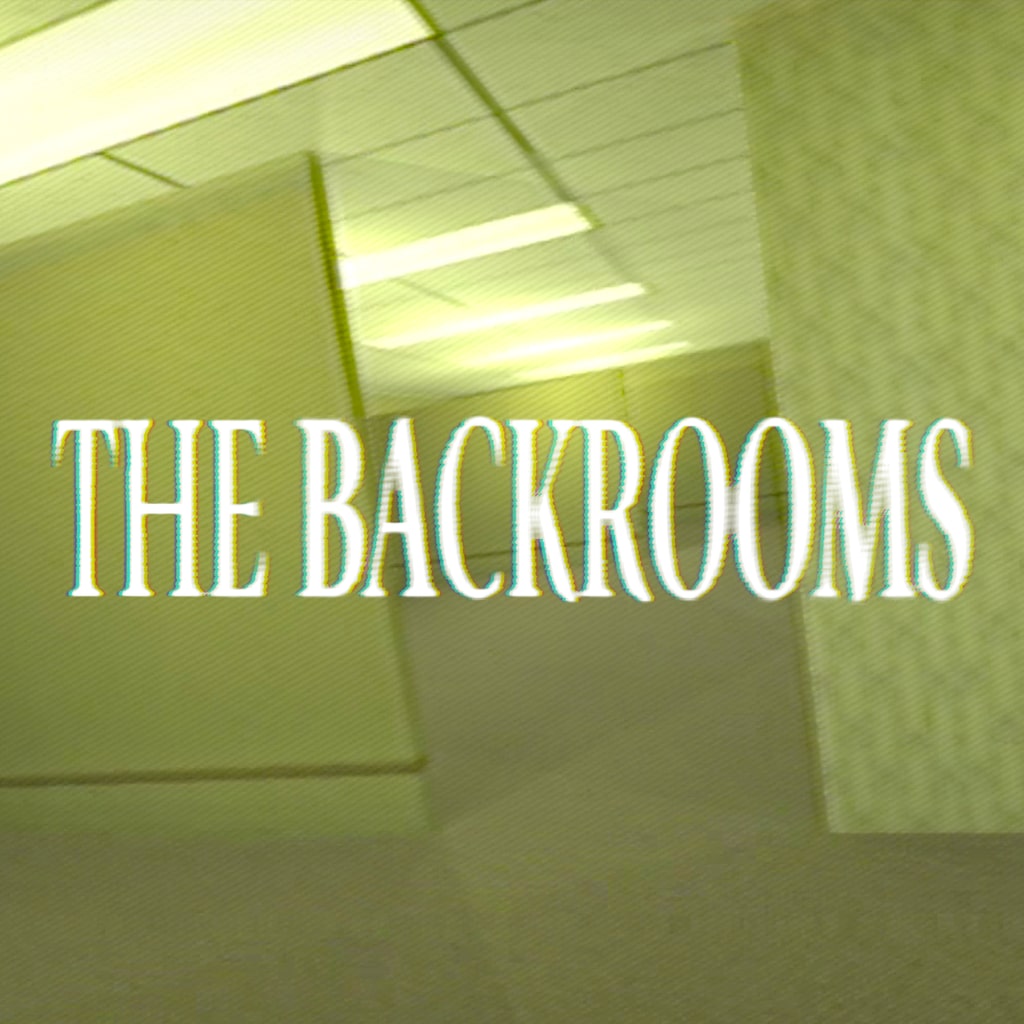
Internet horror has become fertile ground for games in recent years, but few concepts have embedded themselves in online culture quite like The Backrooms. What began as an unsettling image and a collective exercise in imagination has evolved into a sprawling liminal horror myth centred on endless yellow corridors, impossible architecture, and the fear of being somewhere that should not exist. Many games have tried to capture that idea, most leaning heavily into chase sequences and monsters. The Backrooms from Puppet Combo takes a different route.
This is not a sprint through procedurally generated hallways while something screams behind you. Instead, it is a slower, stranger experience inspired as much by Japanese visual novels and psychological horror as by internet creepypasta. You follow Terrence, an ordinary office worker whose routine journey home suddenly becomes anything but ordinary after he inexplicably falls into the endless maze known as The Backrooms.
The game unfolds over seven days in this impossible world. It becomes a journey through decaying spaces, fractured logic, and encounters with people who feel as displaced and broken as the environments around them.
Horror Built From Silence
The first thing that strikes you about The Backrooms is its commitment to atmosphere. The low-polygon visual style immediately evokes late-nineties horror games and early PlayStation aesthetics, but the simplicity is deliberate. The environments feel dreamlike in the worst possible way.
Hallways stretch endlessly beneath flickering fluorescent lights. Office spaces appear abandoned yet strangely lived in. Rooms lead into places that should not physically fit together. Every corner feels wrong without ever fully explaining why.
Puppet Combo understands that liminal horror works because of absence. Empty spaces become frightening because your mind fills the silence. The game rarely rushes to break that tension. Instead, it lets you wander, listen, and absorb the growing unease.
The sound design deserves enormous credit. The distant hum of lighting systems becomes almost oppressive after extended exploration. Footsteps echo strangely. Mechanical noises drift from unseen places. Sometimes you hear something that sounds human, only to realise moments later that it absolutely is not. That restraint gives the experience weight. Horror arrives gradually rather than exploding at the player.
Strange Faces In Stranger Places
Exploration forms the core gameplay loop. You move through vast, interconnected liminal environments, solving light puzzles, gathering information, and speaking with bizarre inhabitants who drift through this impossible realm.
The cast is one of the game’s strongest surprises. Rather than filling the world with endless monsters, The Backrooms introduces unsettling characters whose motives remain ambiguous for much of the story. Some appear helpful. Others feel threatening. A few simply seem lost.
These interactions carry a visual-novel influence, giving the narrative room to breathe. Conversations often feel uncomfortable rather than dramatic. Characters speak around subjects rather than addressing them directly. The result is an atmosphere in which nobody feels entirely trustworthy.
Terrence himself works well as a protagonist because he remains grounded. He is not a soldier or a chosen hero. He is simply someone trying to understand what happened and whether escape is even possible. That ordinary perspective makes the horror more effective because his confusion mirrors the player’s.
Wandering The Impossible
Exploration in The Backrooms feels deliberately disorienting. Spaces loop unexpectedly. Corridors twist into environments that should not connect. The game constantly plays with spatial logic.
At times, this works brilliantly. Discovering an unexpected environment hidden beyond an ordinary office corridor genuinely creates wonder. You never know whether the next doorway leads to a storage room or an entirely new nightmare.
The downside is that navigation can be frustrating. Some objectives lack sufficient direction, leaving players wandering in circles longer than intended. Some confusion feels deliberate and effective. Other moments simply slow the pace.
Still, the act of exploration remains compelling because the environments constantly evolve. The game avoids overusing its iconic yellow wallpaper aesthetic and introduces increasingly bizarre spaces as the story progresses. This prevents visual fatigue and keeps curiosity alive.
Retro Horror With Modern Confidence
Visually, The Backrooms commits fully to its retro identity. Character models are angular. Textures are simple. Animation can feel stiff. Yet none of this detracts from the experience. If anything, it enhances it.
The visual style creates distance from realism, allowing the environments to feel dreamlike and surreal. Combined with the muted colour palette and deliberate lighting, the result resembles a forgotten horror title recovered from another timeline.
There are moments when the technical roughness becomes noticeable. Character movement occasionally lacks fluidity, and interactions can feel awkward. However, the aesthetic commitment carries the presentation through those issues. Puppet Combo has always excelled at turning nostalgia into discomfort, and The Backrooms continues that tradition.
Fear Through Isolation
Perhaps the game’s greatest achievement is emotional rather than mechanical. The Backrooms understands loneliness. The horror does not come purely from monsters or sudden shocks. It comes from feeling disconnected from reality. Terrence drifts through places that resemble familiar spaces stripped of meaning. Offices without workers. Corridors without destinations. Rooms built for people who no longer exist.
That creates an unexpectedly melancholic undercurrent to the horror. There are moments when exploration feels almost sad rather than frightening. You begin to wonder about the people who came before. The lives interrupted. The stories unfinished. It gives the game a surprising emotional layer that elevates it beyond internet novelty.
Final Verdict
The Backrooms could easily have been another quick adaptation of online horror culture. Instead, Puppet Combo offers something slower, stranger, and more thoughtful. It captures the unsettling essence of liminal spaces while building an experience around atmosphere, isolation, and psychological discomfort.
The pacing occasionally drifts, and navigation can be frustrating at times, but the strength of the world design and soundscape keeps the journey compelling. The game trusts silence more than spectacle, and that confidence pays off. This is horror built from empty rooms, fluorescent hums, and the terrible feeling that you have stepped somewhere reality forgot. It lingers long after the credits roll.