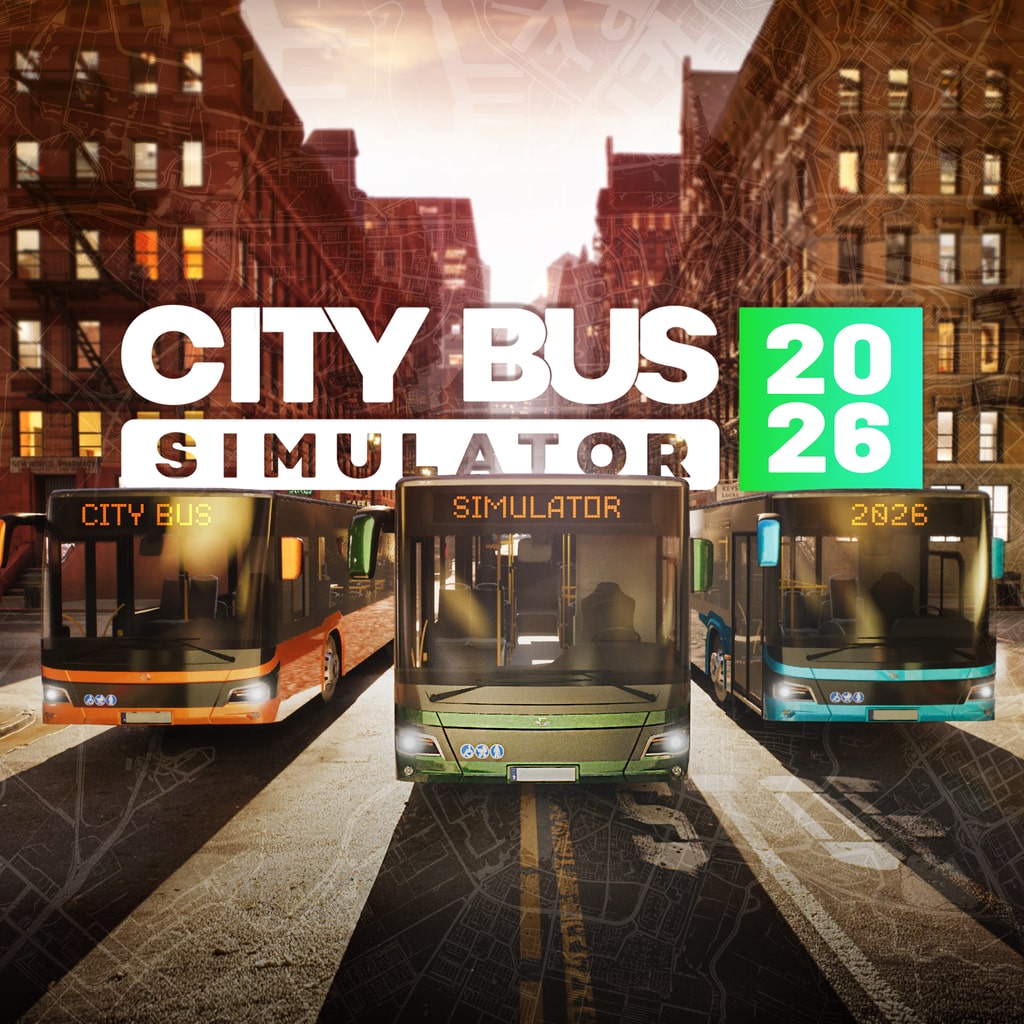
For many of us, our first real taste of the wider world came from the window of a city bus. The rhythmic hiss of air brakes, the gentle sway of the chassis, and the steady hum of the engine framed a moving snapshot of urban life unfolding outside. City Bus Simulator 2026 by KODOBUR takes that familiar memory and shifts the perspective entirely. You are no longer watching the city pass by. You are the one responsible for keeping it moving.
This is a simulator that does not try to disguise its intent. It is built around routine, repetition, and refinement. Yet within that structure, it finds a surprising amount of nuance. What initially feels like a simple driving game gradually reveals itself as a layered system of timing, patience, and decision-making under pressure.
Learning the City, One Stop at a Time
The heart of City Bus Simulator 2026 is its sprawling 40-square-kilometre map. It is not merely large for show. It is deliberately structured to test your ability to memorise routes, anticipate traffic patterns, and adapt to the subtle differences between districts.
Downtown is dense and unforgiving, with tight corners and impatient traffic lights that seem to change just as you approach. The suburbs are more forgiving, but longer stretches of road demand sustained attention and careful braking. Industrial zones introduce wider vehicles and more unpredictable intersections, keeping you alert even when the road appears open.
At first, every journey feels slightly overwhelming. You are juggling steering, indicators, braking distance, stop accuracy, and passenger loading times. Gradually, something shifts. You begin to recognise patterns. You start anticipating stops before the game prompts you. That sense of learning a living system is where the simulation quietly becomes absorbing.
Driving as a Discipline
The game’s five bus models each handle differently, and this is where much of the depth lies. Smaller buses are responsive but require precision in crowded areas. Larger articulated models feel powerful but demand patience, especially when navigating tight urban corners.
Driving is not about speed. In fact, speed is often your enemy. Success is measured by smoothness, not urgency. A perfect stop is one in which passengers barely shift. A successful route is one in which nobody complains. It is a mindset shift that takes time to adjust to, especially if you are used to more traditional driving games.
More Than Just Steering
KODOBUR leans heavily into simulation detail. You are not just driving the bus; you are managing it. Doors must be opened and closed manually. Interior lights change with the time of day. Ticket handling adds another layer of attention at stops.
These systems could have felt like busywork, but they instead reinforce the sense that you are operating a service, not just a vehicle. Every action has context. Every delay has consequences.
A City That Reacts
One of the strongest improvements over previous entries in this simulator style is the AI traffic system. Cars no longer feel like moving obstacles on rails. They change lanes more intelligently, respond to congestion, and occasionally behave in ways that force you to adjust your route on the fly.
Pedestrians also play a larger role than expected. Crosswalks are active, unpredictable spaces where timing matters. Misjudging a single pedestrian’s wave can ripple into delays that affect your entire route.
Weather and Time Pressure
The dynamic weather system is not merely cosmetic. Rain alters braking distances. Fog reduces visibility at key intersections. Night shifts demand sharper focus, especially in poorly lit suburban areas.
These changes do not transform the game into something entirely different, but they ensure that repetition never feels entirely static. Each shift has its own rhythm, shaped by conditions beyond your control.
From Rookie to Route Veteran
Progression is steady and structured. You begin with short, forgiving routes that let you learn the basics without overwhelming pressure. Over time, you unlock longer, more complex lines that demand greater efficiency and consistency.
There is a quiet satisfaction in mastering a route. The first time you complete a full schedule without delays or complaints feels earned rather than handed to you. The game does not rush this feeling. It lets it build slowly.
The Loop That Grows on You
What makes the progression system effective is that it frames repetition as improvement rather than boredom. You are not just repeating tasks. You are refining them. Each run becomes an opportunity to shave seconds off delays or improve stop precision.
Technical Performance and Presentation
On the Nintendo Switch, City Bus Simulator 2026 makes clear compromises in visual fidelity, particularly in dense city centres, where environmental pop-in becomes noticeable. However, these trade-offs serve a purpose. The game maintains a stable frame rate, which is essential in a simulation where timing and precision matter more than graphical detail.
The audio design also deserves mention. Engine hum, door hydraulics, and passenger chatter combine to create a surprisingly immersive soundscape. It is subtle, but it reinforces the sense that you are operating within a functioning system rather than a static environment.
Final Thoughts
City Bus Simulator 2026 is not designed to thrill in the traditional sense. It does not rely on adrenaline spikes or dramatic set pieces. Instead, it builds its appeal through consistency, patience, and the gradual mastery of routine.
There is something unexpectedly grounding about it. The satisfaction does not come from spectacle but from control. From knowing that a complex system can be managed through attention and care.
It will not be for everyone. Players seeking fast-paced excitement will likely be put off by its deliberate pace. But for those willing to embrace its rhythm, there is a quiet depth here that rewards persistence.