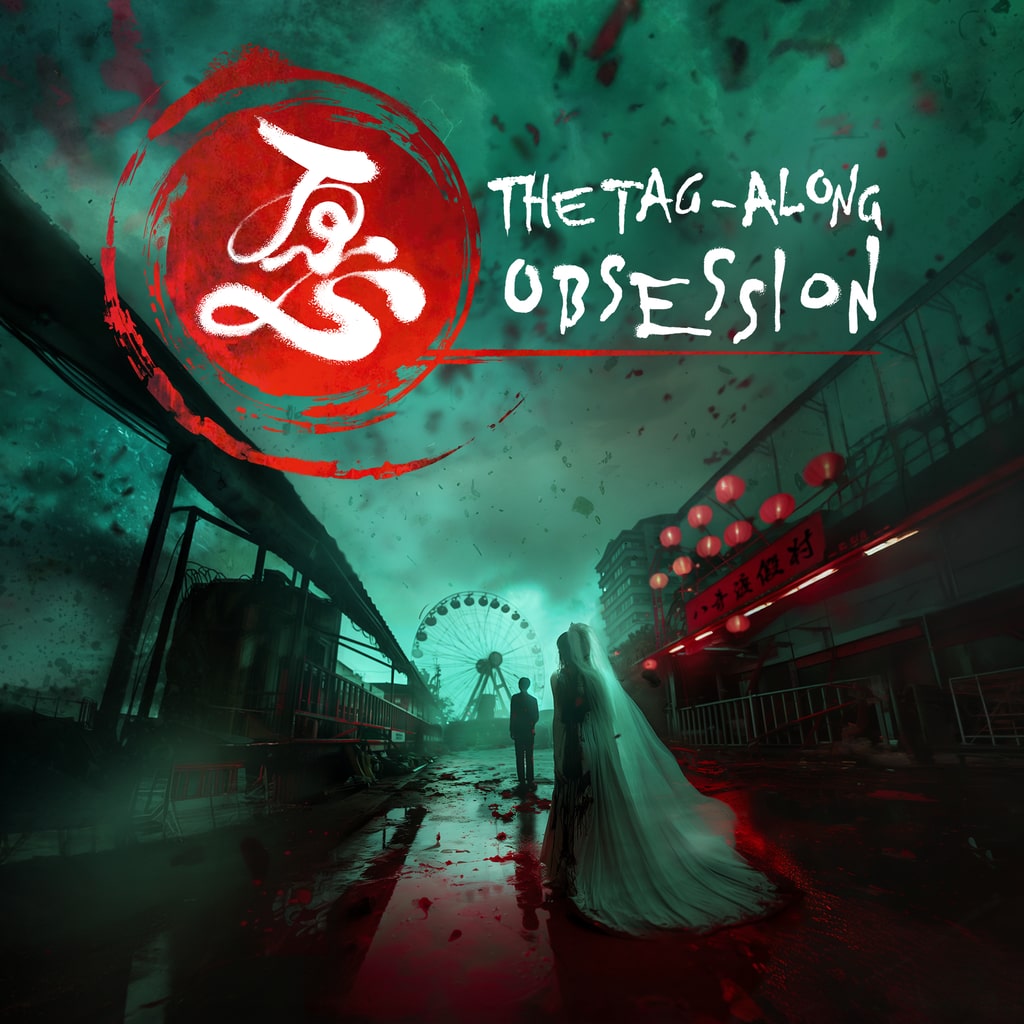
Developed by LuLuDu Tech Co. Ltd. and published by eastasiasoft, THE TAG-ALONG OBSESSION arrived on consoles in 2026, following a PC release. Inspired by the Tag-Along urban legend, the game casts you as Hui-Ting, a survivor whose life has been unravelled by a tragedy she cannot fully explain.
After a failed investigation at an abandoned resort leaves her the sole survivor, Hui-Ting is haunted by nightmares and something far worse. A visit to a medium confirms her fears. She is being followed, bound to a vengeful spirit that refuses to let go. The only way forward is to return to the site of the tragedy and perform a ritual that might finally break the connection.
The setup is familiar to fans of psychological horror, but THE TAG-ALONG OBSESSION’s strength lies in how it presents that journey. It is not just about escaping a place. It is about confronting what happened there and what still lingers.
Gameplay
At its core, THE TAG-ALONG OBSESSION blends exploration, puzzle-solving, and stealth-based survival into a steady, deliberate experience. The resort itself serves as both setting and puzzle box. You move through its decaying halls in first person, uncovering clues tied to past events while slowly piecing together the truth behind the curse. Notes, objects, and environmental details all contribute to a narrative that unfolds gradually rather than being handed to you outright.
Puzzles are woven into this process in a way that feels grounded in the world. Rather than abstract challenges, they often tie into rituals, symbols, or cultural practices that give them context. You are not just solving puzzles for progression. You are engaging with the logic of the world itself.
Stealth plays a significant role in shaping tension. The spirits that inhabit the resort are not obstacles to defeat but threats to avoid. You move carefully, watching patterns, using hiding spots, and relying on timing to stay out of sight. When these systems work, they create a constant undercurrent of anxiety that reinforces the game’s tone.
However, the stealth mechanics are not always consistent. Enemy behaviour can feel unpredictable at times, leading to moments when failure feels less like a mistake and more like a misread system. It does not break the experience, but it does interrupt the sense of control the game otherwise builds.
Despite this, the pacing remains effective. The game alternates between quiet exploration, focused puzzle-solving, and bursts of tension that keep you alert without overwhelming you.
World and Atmosphere
The abandoned resort is the heart of THE TAG-ALONG OBSESSION, carrying the experience almost entirely on its own. Every space feels deliberate. Rooms are cluttered with remnants of past lives, hallways stretch into darkness, and even open areas feel confined by what might be waiting within them. There is a constant sense that the building itself remembers what happened, even if you do not yet understand it.
Lighting plays a crucial role in sustaining this atmosphere. Shadows are not merely visual elements but active participants in the experience. They obscure, distort, and suggest movement where there may be none. Combined with careful sound design, the result is a world that feels alive in a deeply unsettling way.
Audio is particularly effective. Distant noises, faint whispers, and the subtle creak of the environment all contribute to a sense of presence that never fully resolves. Silence is used just as carefully, creating moments when the absence of sound becomes its own kind of tension.
The cinematic presentation enhances this further. Camera framing, environmental detail, and pacing work together to create a sense of immersion that feels closer to a film than to a traditional game at times.
Narrative and Themes
THE TAG-ALONG OBSESSION is driven by its mystery, yet it is grounded in something more personal. Hui-Ting is not merely a vessel for the player. Her fear, guilt, and determination persist throughout the experience, even when she is silent. The story unfolds in fragments, revealing not only what happened at the resort but also how it continues to affect those connected to it.
The game leans heavily into themes of memory and consequence. The past cannot be left behind. It lingers, reshapes itself, and demands to be acknowledged. This idea is reinforced through both narrative and design, as areas of the resort often reflect events that have already occurred.
Cultural elements play a significant role as well. The use of spiritual rituals, folklore, and symbolism adds depth to the story, grounding it in a specific tradition rather than a generic horror framework. This gives the game a distinct identity that sets it apart from more familiar Western interpretations of the genre.
Friction and Balance
While THE TAG-ALONG OBSESSION succeeds in creating a consistent atmosphere, it occasionally encounters friction in its systems. The stealth mechanics, while effective in concept, can feel uneven in execution. At times, they create genuine tension. At others, they feel restrictive or unclear. This inconsistency can break immersion, particularly during sequences that rely heavily on precise timing.
Navigation can also be challenging at times. The resort’s layout is intentionally disorienting, but there are moments when progression feels less like exploration and more like trial and error.
Even so, these issues do not overshadow the experience. They coexist with a strong sense of tone and purpose that carries the game through its weaker moments.
Final Verdict
THE TAG-ALONG OBSESSION is a slow-burning horror experience that prioritises atmosphere and narrative over mechanical complexity. It does not reinvent the genre, and its systems occasionally falter, yet it knows exactly what it wants to achieve. It builds tension through space, silence, and the gradual unveiling of a story that refuses to stay buried.
For players willing to embrace its pace and engage with its world, it offers a compelling journey into fear that feels intimate and unsettling. It is not about escaping the darkness. It is about understanding it.