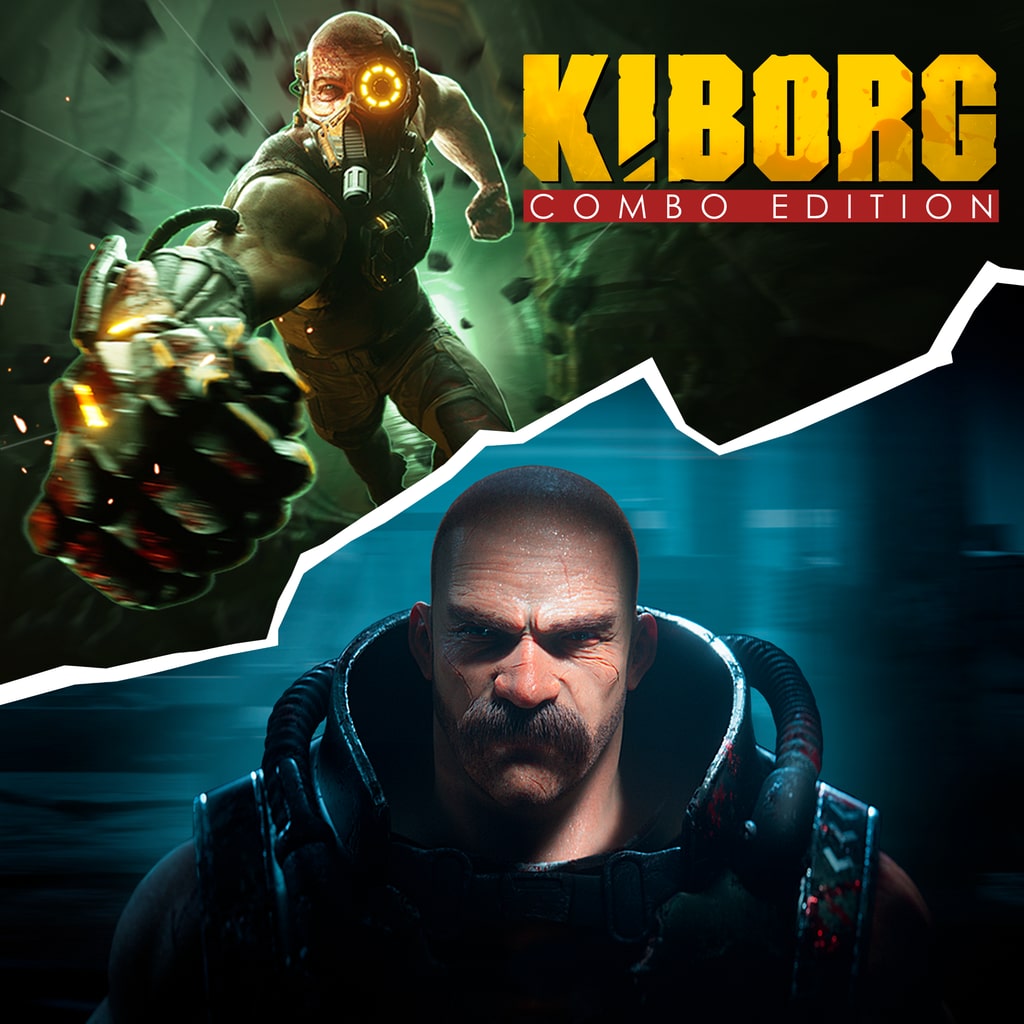
KIBORG Combo Edition presents the full vision of what Sobaka Studio set out to create. The base game delivers a strong foundation built on weighty combat and satisfying progression, while Descent expands that foundation into something more intense and narratively complete.
It is not without its rough edges. The repetition inherent to the genre can surface during longer sessions, and the difficulty may feel demanding for players who prefer a more forgiving experience. But these elements are part of its identity rather than flaws to be smoothed over.
What stands out most is how cohesive the experience feels when taken as a whole. The transition from spectacle to unease, from surface-level survival to deeper conflict, gives the game a sense of direction that many rogue-lites struggle to maintain. It is brutal, often exhausting, but consistently engaging.
Gameplay
KIBORG lives and dies by its combat, and thankfully, it lives more often than not. At its core, it is a rogue-lite beat ‘em up that thrives on repetition, learning, and adaptation. Each run begins with limited tools and expands through cybernetic upgrades that fundamentally alter how you approach combat. The loop is familiar but effective. Fight, fall, return, and rebuild.
What sets KIBORG apart is the weight behind every action. Attacks land with impact, movement feels deliberate, and enemy encounters are designed to force constant decision-making. You are rarely given space to breathe. Instead, you are asked to manage chaos.
Cybernetic upgrades are where the game finds its identity. Rather than offering small incremental bonuses, many enhancements dramatically change your capabilities. Some builds turn you into a relentless damage dealer; others favour survivability or control, and the most interesting ones blur those lines entirely.
The satisfaction comes from how these systems interact over time. A run that starts cautiously can evolve into something aggressive and unpredictable as synergies stack. It encourages experimentation, even when failure is likely.
Descent builds on this foundation by tightening everything. Enemy patterns become less forgiving, encounters escalate more quickly, and the margin for error shrinks. It assumes you understand the base systems and pushes you to refine them.
The addition of local split-screen co-op across the package is a major highlight. Playing alongside someone else transforms the experience. Combat becomes less controlled, more reactive, and often far more chaotic. It is not always clean, but it is consistently engaging.
World and Atmosphere
The base game leans heavily into spectacle. Bright lights, metallic arenas, and the sense of being watched define its identity. It feels like a performance, where violence is currency and survival is entertainment.
Descent shifts that tone in a meaningful way. As you move deeper into the prison, the environment begins to change. The Substance seeps into the world, altering both visuals and atmosphere. Spaces feel less constructed and more corrupted, as though the system itself is starting to break down.
This contrast works in the Combo Edition’s favour. Experiencing both halves together highlights the transition from controlled brutality to something far more unstable. It gives the overall journey a sense of progression that extends beyond mechanics.
Sound design reinforces this shift. The base game’s heavier, more aggressive audio gives way to something quieter and more unsettling in Descent. This subtle but effective change in tone mirrors the narrative.
Structure and Progression
As a rogue-lite, KIBORG relies on repetition, but it offers enough variation to keep runs engaging. Enemy layouts shift, upgrades change, and each attempt feels slightly different from the last.
Progression is tied to both skill and persistence. Unlocking new abilities and upgrades provides a sense of forward movement, but true improvement comes from understanding how systems interact. It is not enough to simply gain power. You need to know how to use it.
Descent adds three new biomes, each pushing the player further, both mechanically and mentally. These areas feel like natural extensions of the base game, yet with an added layer of intensity that keeps even experienced players on edge.
The difficulty curve across the Combo Edition is steep but consistent. Early runs introduce the fundamentals, while later stages demand precision and confidence. There are moments when the challenge feels overwhelming, but it rarely feels undeserved.
Narrative and Themes
KIBORG’s story is not delivered through long exposition. Instead, it unfolds gradually through progression, environmental cues, and the shifting context of your actions.
The base game frames everything as spectacle. You are part of a system designed to entertain, and your survival is just another layer of that performance. Descent peels back that layer, revealing something more complex beneath.
The Substance becomes the focal point, raising questions about control, transformation, and the limits of the system itself. Alliances shift, motivations evolve, and the world begins to feel less stable.
It is not a deeply personal story, but it is an effective one. It provides enough context to support the gameplay without overwhelming it, keeping the experience focused on action.
Final Verdict
KIBORG Combo Edition presents the full vision Sobaka Studio set out to create. The base game provides a solid foundation of weighty combat and satisfying progression, while Descent builds on that foundation to deliver something more intense and narratively complete.
It is not without its rough edges. The repetition inherent in the genre can surface during longer sessions, and the difficulty may feel demanding for players who prefer a more forgiving experience. But these elements are part of its identity rather than flaws to be smoothed over.
What stands out most is how cohesive the experience feels as a whole. The transition from spectacle to unease, from surface-level survival to deeper conflict, gives the game a sense of direction that many rogue-lites struggle to maintain. It is brutal, often exhausting, yet consistently engaging.