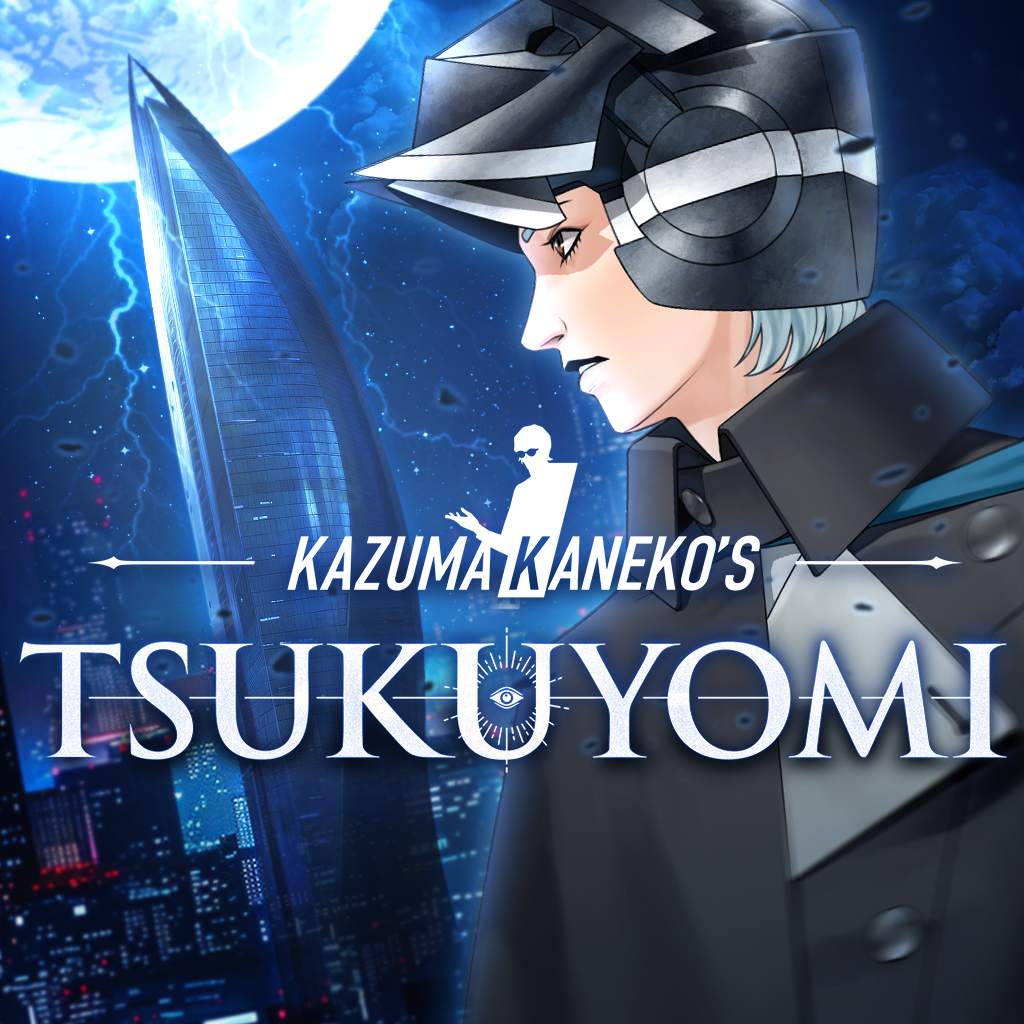
KAZUMA KANEKO’S TSUKUYOMI is a focused and stylish roguelike that understands the value of constraint. Its combat system strips decision making down to its essentials, creating encounters that feel immediate, tense, and consistently engaging.
Its strengths lie in its clarity and pacing. Runs are quick, decisions matter, and progression feels meaningful without becoming overwhelming. Its limitations come from its structure, with repetition and limited variation becoming more noticeable over extended play.
Even so, it remains a cohesive experience. It respects the player’s time, offers a steady loop of improvement, and maintains a strong visual and mechanical identity throughout. It does not try to be everything. It simply does what it does well, again and again.
A Tower Built on Pressure
The Hashira is not a traditional dungeon. It feels more like a system under stress, a place where reality has thinned and something else is beginning to push through. Floors shift between industrial spaces and surreal distortions, each populated by Jinma, entities that feel both mechanical and mythological.
Progression follows a roguelike structure. Each run is a climb, with branching paths, combat encounters, and moments of decision that shape how far you can go. Failure is expected. What matters is what you bring back.
This structure gives the game a clear rhythm. Enter, adapt, fall, rebuild. Each attempt adds to your understanding, whether through new cards, altered strategies, or a better reading of enemy behaviour. The world itself remains largely consistent, but your approach to it evolves over time.
Combat Defined by Constraint
The defining aspect of TSUKUYOMI is its combat system. At any given time, you work with a hand of just three cards. That limitation shapes everything.
Every decision carries weight because there are no excess options. You can attack, defend, or hold back, but each choice closes off another. Enemies telegraph their intentions clearly, turning combat into a constant process of reading and responding rather than reacting blindly.
This creates steady pressure. You are always aware that one poor decision can unravel a fight, but success feels earned because it comes from understanding rather than luck.
Compared with other deck builders, the reduced hand size removes much of the downtime often associated with planning turns. There is little room for hesitation. You act, and you deal with the outcome.
Over time, this system reveals surprising depth. Card synergies, timing, and resource management all emerge naturally, without layers of complexity.
Building Something That Persists
Deck building in TSUKUYOMI is closely tied to its roguelike structure. After each battle, you are given choices that expand or refine your current deck. These decisions shape the direction of a run, pushing you towards specific strategies or forcing adaptation when ideal options do not appear.
What stands out is how the game handles progression across runs. Special Creation Cards, influenced by your exploration choices, persist beyond failure. They form an evolving foundation, allowing each attempt to feel connected to the last.
This creates a sense of continuity without removing the challenge. You are not starting from nothing, but you are never fully prepared either. The result is a loop that feels rewarding without becoming predictable.
Multiple Perspectives, Shared Consequences
The narrative unfolds through multiple Tsukuyomi agents, each offering a distinct perspective on the events surrounding the Hashira. Their paths intersect and diverge, revealing conflicting motivations and incomplete understandings of the situation.
This structure adds texture to the story without overwhelming the core gameplay loop. You are not pulled away from the action for long stretches of exposition. Instead, narrative elements are woven into progression, appearing as fragments that gradually coalesce into something larger.
There is a sense of distance in how the story is told. It does not present a single, clear perspective. Instead, it asks you to piece together meaning from multiple viewpoints. That approach fits the tone of the world. Nothing here feels fully stable or entirely trustworthy.
Style That Carries Weight
Visually, the game is defined by Kaneko’s influence. Character designs are sharp and often unsettling, blending human forms with abstract elements that feel slightly out of place. Jinma, in particular, stand out, each carrying a distinct identity that makes encounters memorable even when mechanics repeat.
There has been discussion about the game’s use of AI-assisted elements in its visual pipeline, but the Switch version leans towards a more curated presentation. The result feels cohesive, even if certain assets occasionally lack the depth of fully hand-crafted work.
Audio design supports the atmosphere effectively. Music shifts between restrained and intense, matching the pacing of combat and exploration without overwhelming either. Together, these elements create a world that feels consistent in tone, even when its components vary in detail.
Where Familiarity Sets In
For all its strengths, TSUKUYOMI does not fully escape the limitations of its structure. Runs can start to feel similar over time, particularly once you become familiar with enemy patterns and optimal strategies.
While the three-card system keeps combat engaging, it also limits the variation that can emerge in individual encounters. The difference between runs often comes down to incremental changes rather than dramatic shifts.
The narrative, while intriguing, can feel distant at times because of its fragmented delivery. Players seeking a more direct or emotionally driven story may find it difficult to fully connect. These are not flaws that undermine the experience, but they do shape its long-term appeal.
Final Verdict
KAZUMA KANEKO’S TSUKUYOMI is a focused and stylish roguelike that understands the value of constraint. Its combat system strips decision-making to its essentials, creating encounters that feel immediate, tense, and consistently engaging.
Its strengths lie in clarity and pacing. Runs are quick, decisions matter, and progression feels meaningful without becoming overwhelming. Its limitations stem from its structure, with repetition and limited variation becoming more noticeable over extended play.
Even so, it remains a cohesive experience. It respects the player’s time, offers a steady loop of improvement, and maintains a strong visual and mechanical identity throughout. It does not try to be everything. It simply does what it does well, again and again.