My fascination with space is lifelong and enduring, rooted in the glow-in-the-dark constellations of my childhood bedroom and the earnest, suit-clad dreams of emulating Neil Armstrong. Given this deep-seated affinity for the cosmos, Aphelion was a title that immediately demanded my attention. Stepping into the roles of the astronauts stranded on Persephone, I approached this review with a balanced perspective: employing a critical lens while remaining open to the profound sense of isolation and wonder the game promises to deliver.
Developed by DON’T NOD in collaboration with the European Space Agency, this cinematic action-adventure sets out to tell a deeply human story against an indifferent, frozen world.
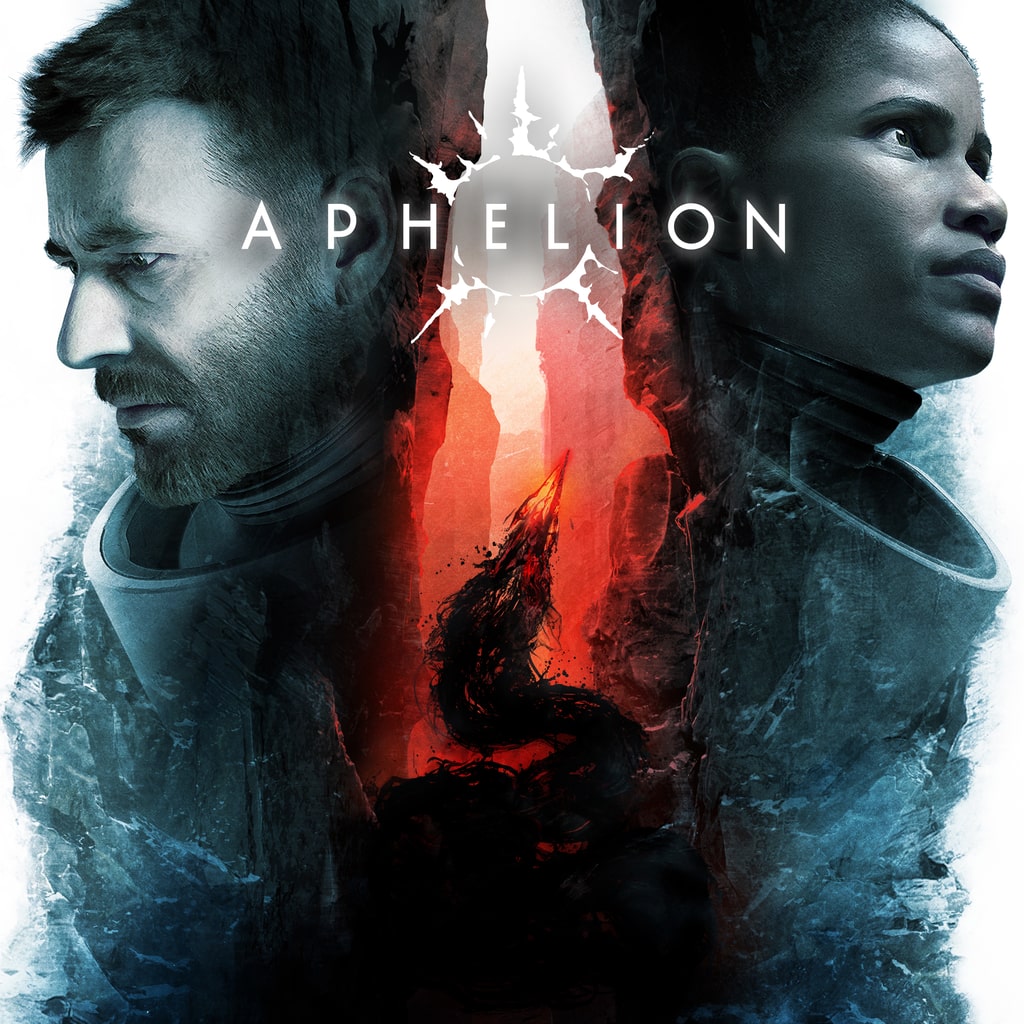
You play as Ariane and Thomas, two astronauts stranded on the distant planet Persephone after a catastrophic crash. From the outset, Aphelion makes it clear that this is not a power fantasy. It is a story about vulnerability, trust, and survival when control has already been lost.
DON’T NOD has built a reputation for emotional storytelling, and here that strength carries much of the experience. The bond between Ariane and Thomas feels lived-in. Their conversations, often delivered over fractured radio signals, have a natural cadence that conveys both their history and their desperation. It is not just what they say, but what they choose not to say, that lingers.
Movement and Momentum
Ariane’s sections form the mechanical backbone of the game. Traversal is fluid, responsive, and often exhilarating. There is a clear lineage from Jusant, with movement built around momentum and physicality. You climb icy formations, leap across fractured terrain, and navigate environments that feel both beautiful and unforgiving.
There is a rhythm to these sequences that Aphelion gets exactly right. Each movement flows into the next, creating moments when simply moving through the world becomes deeply satisfying. The planet itself becomes a silent partner, pushing back just enough to keep you engaged without ever feeling unfair.
It is in these stretches that the game feels most confident. The combination of strong visual design and intuitive traversal creates a sense of immersion that is difficult to shake. You are not just moving through Persephone. You are adapting to it.
Observation and Stillness
Thomas’s segments, by contrast, slow the pace. His role focuses on investigation, puzzle-solving, and observation. While Ariane’s gameplay is kinetic, Thomas’s is introspective. You scan the environment, piece together clues, and try to understand both your surroundings and the mysterious force hunting you.
In isolation, these sections are thoughtful and often effective. They give the player space to breathe and reflect, reinforcing the narrative’s emphasis on uncertainty and discovery. There is a quiet tension in simply trying to understand what is happening, especially as fragments of information suggest that Persephone is not as lifeless as it first appears.
However, the shift between these two styles can feel abrupt. The transition from fluid traversal to deliberate puzzle-solving is not always seamless, and the pacing occasionally suffers as a result.
The Nemesis Problem
Then there is the Nemesis.
This hostile entity serves as the game’s primary threat, and its presence introduces stealth sequences that stand in stark contrast to the rest of the experience. These moments are intended to heighten tension, forcing players to move carefully, avoid detection, and think strategically.
In practice, however, they are the game’s weakest element.
Stealth in Aphelion often feels overly punitive. Detection can be inconsistent, and failure tends to result in abrupt restarts that disrupt the game’s carefully constructed atmosphere. What should feel tense instead becomes frustrating, breaking the emotional flow the narrative works so hard to build.
More importantly, these sequences clash with the game’s identity. Aphelion thrives in moments of quiet exploration and character interaction. The sudden shift into high-pressure stealth feels at odds with that tone, as though it belongs to a different game entirely.
A World That Breathes Cold
If there is one area where Aphelion rarely falters, it is in its presentation. Persephone is a stunning creation. Vast ледscapes stretch into the distance, broken only by jagged formations and the remnants of human technology. The lighting is particularly striking, with pale sunlight filtering through frozen air to create an almost dreamlike quality.
There is a tangible sense of isolation here. The world feels empty, yet never lifeless. Subtle environmental details hint at stories beneath the surface, encouraging players to look closer and linger longer.
Sound design reinforces this atmosphere beautifully. The crunch of footsteps on snow, the distant howl of alien winds, and the intermittent crackle of radio communication all contribute to a sense of place that feels authentic and immersive. Silence is used as effectively as sound, creating moments that feel almost sacred in their stillness.
A Story That Stays
Despite its mechanical inconsistencies, Aphelion succeeds where it matters most. The story lands.
Ariane and Thomas are compelling protagonists, not because they are heroic, but because they are human. Their fears, doubts, and small moments of hope feel genuine. The narrative does not rely on grand twists or spectacle. Instead, it builds slowly, layering emotional beats until they settle into something quietly powerful.
Themes of connection, isolation, and resilience run throughout, supported by strong writing and performances that never feel forced. Even when the gameplay stumbles, the story provides a reason to keep going.
Uneven, but Unforgettable
Aphelion is not a clean experience. It is uneven, occasionally frustrating, and at times unsure how to reconcile its ideas. The platforming is excellent. The exploration is absorbing. Unfortunately, the stealth drags the whole package down. And yet, it is difficult to dismiss.
There is a sincerity to Aphelion that cuts through its flaws. It wants to tell a meaningful story, and for the most part it succeeds. The emotional core remains intact, even when the gameplay threatens to undermine it. This is the kind of game that lingers. Not because it is perfect, but because it reaches for something more.
Final Verdict
Aphelion is a striking, character-driven adventure that shines in its quiet moments but stumbles in its more traditional gameplay systems. Its world is beautifully realised, and its story carries genuine emotional weight, yet inconsistent pacing and frustrating stealth sections hold it back from true greatness.
Still, for those willing to embrace its imperfections, there is something special here.