
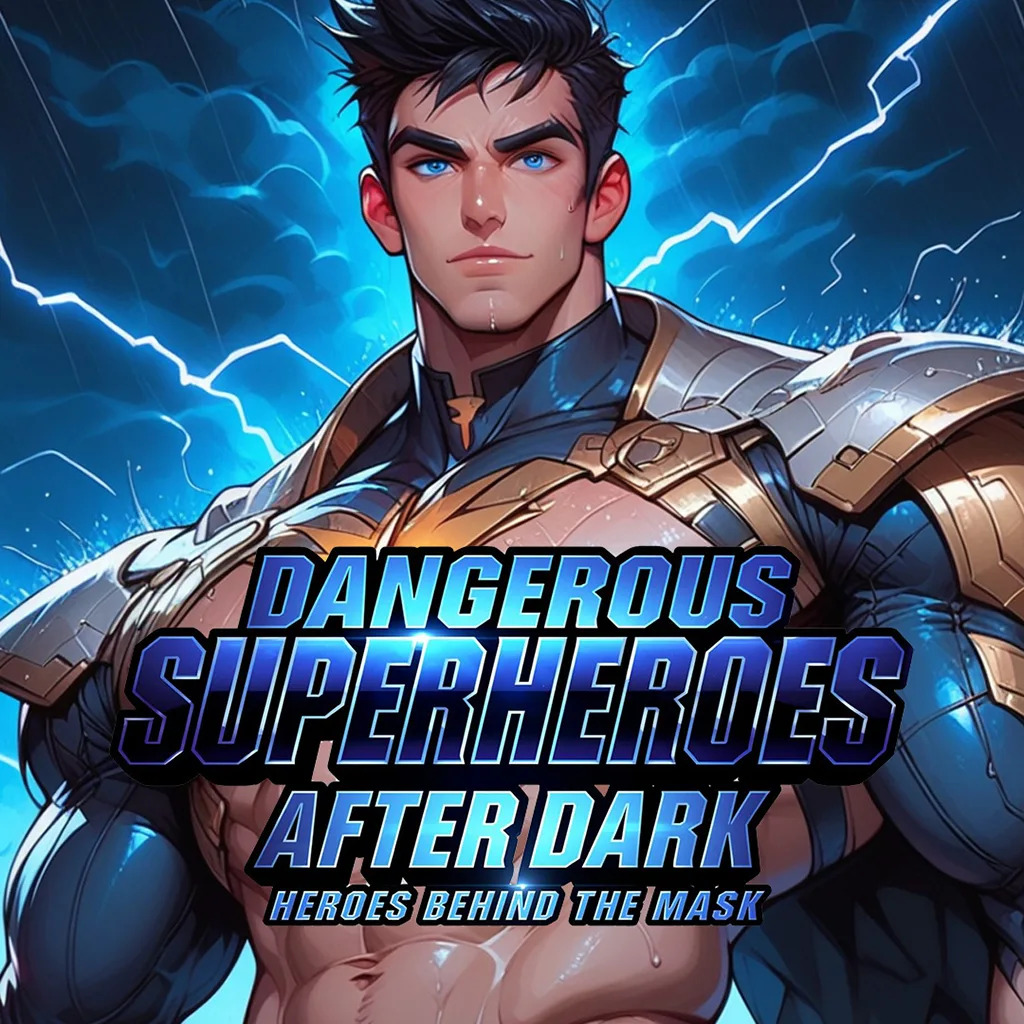
Released on April 2, 2026, for Nintendo Switch, this narrative-driven title from Red Fables launches alongside its counterpart Dangerous Superheroes After Dark: Heroines Behind the Mask, forming a dual-release project centred on the hidden lives of masked vigilantes. While its sister game offers a different perspective, Heroes Behind the Mask focuses specifically on a cast of male superheroes, presenting its story through themes of romance, secrecy, and emotional vulnerability.
At its heart, this is a visual novel about duality: public icons versus private individuals, and the tension that exists between admiration and intimacy.
A Familiar Premise Wrapped in Superhero Glamour
The game promptly introduces its main theme: superheroes are not merely symbols of justice, but individuals weighed down by expectations, loneliness, and concealed desires. During the day, they are celebrated guardians. At night, they become something far more intricate—men dealing with identity, secrecy, and emotional vulnerability.
This contrast underpins the entire experience. The player character exists outside the hero framework, yet occupies a uniquely privileged vantage point: someone who looks beyond the mask.
Although the premise is engaging, it is also familiar within the wider realm of romance visual novels. The concept of “hidden vulnerability beneath perfection” is a well-worn trope, and Heroes Behind the Mask does not fundamentally reinvent it. Instead, it enhances it through presentation and thematic consistency.
Character-Driven Design and Emotional Hooks
Where the game excels most clearly is in its characterisation. Each superhero is created with a distinct personality archetype, layered with internal conflict. Some struggle with control, others with public expectation, and some with emotional distance caused by their heroic identity.
The writing heavily explores emotional contrast—strength versus vulnerability, authority versus intimacy, and control versus surrender. These dynamics form the core of each romance route.
The game’s appeal lies in gradual discovery. Players do not simply “unlock romance,” but slowly peel back layers of guarded personality. Trust is built through dialogue choices, and each interaction subtly shifts the tone of relationships.
However, while the character concepts are strong, their execution sometimes falls into predictable patterns. Certain routes mirror each other structurally, and some emotional beats feel familiar after encountering multiple characters.
Choice-Driven Romance Systems
The gameplay revolves around branching dialogue and managing relationships. Player choices influence trust levels, emotional closeness, and the direction of the story. These decisions ultimately lead to multiple endings, from romantic fulfilment to betrayal, obsession, or emotional separation.
This structure is common in the genre, but it is implemented effectively. Choices often feel significant in the short term, even if long-term branches sometimes converge again before diverging later.
The illusion of control is strong, which is vital for a romance-focused visual novel. Even when outcomes seem partly guided, the emotional impact of decision-making stays intact.
Replayability is encouraged through various routes, and there is real motivation to revisit characters to discover alternative dialogue and hidden scenes.
Presentation and Atmosphere
Visually, Heroes Behind the Mask leans heavily into stylised anime aesthetics. Character designs emphasise contrast between heroic appearance and private vulnerability. Costumes are bold and symbolic, while private scenes adopt softer, more intimate visual framing.
The game’s atmosphere is one of its strongest assets. It consistently maintains a tone of tension and emotional intimacy, even in quieter scenes. The idea of “after dark” is not just thematic but structural—the game feels intentionally subdued, focusing on secrecy and emotional undercurrents rather than action.
Sound design supports this approach with minimal but effective music cues. Tracks are generally understated, often using ambient tones to reinforce mood rather than distract from dialogue. While not especially memorable on their own, they serve the narrative effectively.
Narrative Themes: Power, Identity, and Vulnerability
The central thematic focus is the relationship between power and emotional exposure. Superheroes, traditionally symbols of control and dominance, are reinterpreted as emotionally reserved individuals struggling with identity beyond their public personas.
This inversion is where the game finds its most compelling material. The idea that strength fosters isolation is examined repeatedly, especially in how characters respond to intimacy. Trust becomes a form of vulnerability, and romance is seen as both connection and danger.
However, the narrative occasionally leans too much into melodrama. Emotional stakes remain high, which can lessen impact over time. When every route stresses intensity, the contrast between moments becomes less noticeable.
Structure and Pacing
Like many visual novels, pacing relies heavily on player choice and reading speed. The early parts of each route are fairly straightforward, establishing character relationships before branching into more personalised stories.
While this setup works well for introducing the game, it can feel repetitive when switching between characters, as basic exposition is often reused. Later parts of each route provide more meaningful divergence, but the initial repetition may slow down players switching between multiple heroes quickly.
Despite this, the pacing suits its target audience—those who enjoy gradual, dialogue-driven storytelling rather than rapid progress.
Strengths and Limitations
The strongest points of Heroes Behind the Mask include its character design, thematic consistency, and emotional tone. It excels at fostering a sense of intimacy between the player and the character, and its branching structure encourages exploration.
However, it is less successful regarding innovation. The narrative framework is familiar, and although well-executed, it does not significantly expand upon established visual novel conventions. Some routes feel structurally similar, and certain emotional arcs depend on predictable developments.
Additionally, while the “superhero” framing adds visual and thematic flair, it is not deeply incorporated into gameplay mechanics. The superhero concept functions more as an aesthetic backdrop rather than an interactive system.
Final Verdict
Dangerous Superheroes After Dark: Heroes Behind the Mask is a polished and emotionally engaging visual novel that excels through its atmosphere, character appeal, and consistent thematic focus. It offers compelling romance routes and strong emotional resonance, even if its narrative structure remains familiar to genre veterans.
It is most suitable for players who appreciate character-driven stories, slow-burn romance, and choice-based relationship systems rather than mechanical innovation or narrative experimentation.
Although it does not pioneer new ground, it provides a confident and stylish experience within its niche.














[…] articleDangerous Superheroes After Dark: Heroes Behind the Mask ReviewNext articlePirate Anime Quest: One Girls’ Journey, A Piece of Island Love Review […]