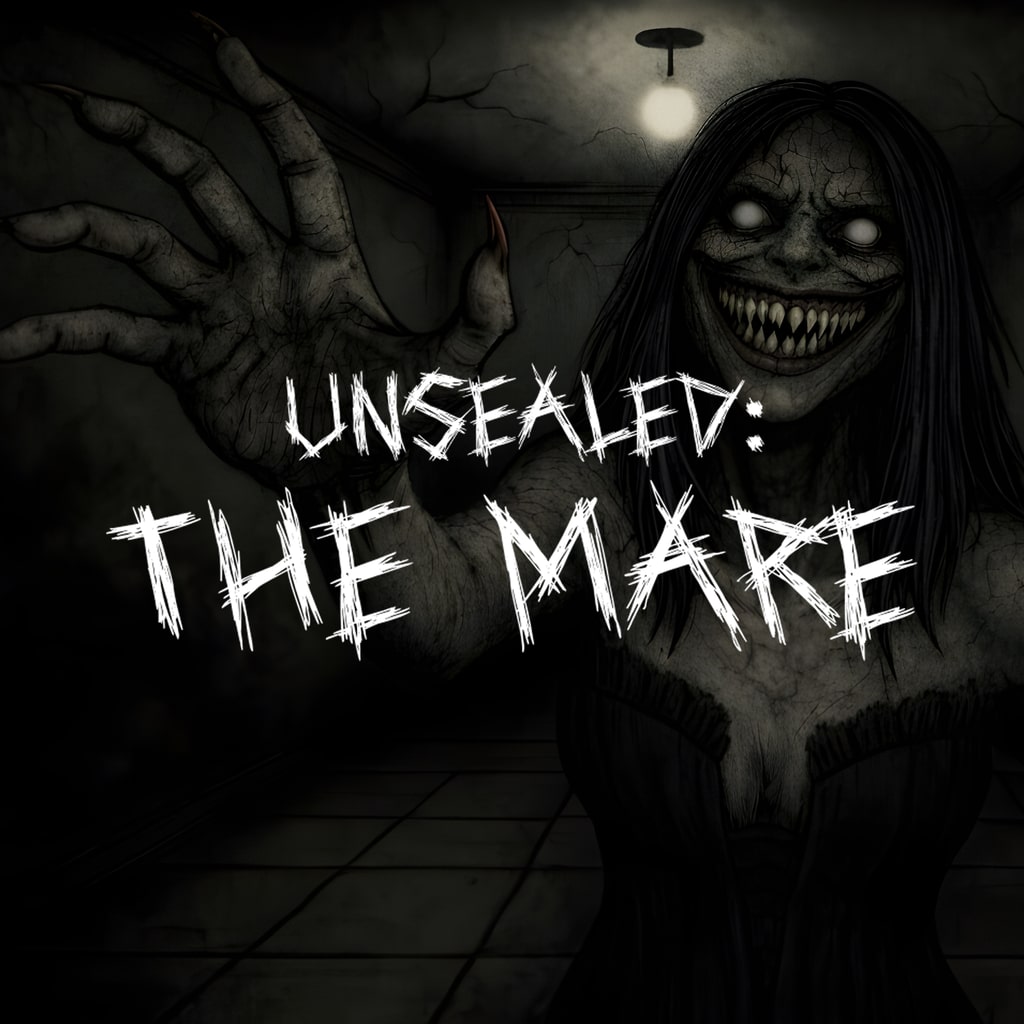
Psychological horror has always thrived on the power of suggestion. Unlike traditional horror games that rely on gore or constant combat encounters, the most effective experiences often leave players unsettled through atmosphere, sound, and the slow unraveling of disturbing truths.
Unsealed: The Mare, developed by Swedish indie studio Gamhalla, fully embraces that philosophy.
Released globally on 10 March 2026, the game presents a deeply personal horror story inspired by the lead developer’s own experiences with sleep paralysis. Instead of focusing on monsters or violent spectacle, Unsealed: The Mare explores fear through distorted memories, haunting sound design, and a surreal dreamscape where reality constantly shifts.
Players take on the role of Vera, a woman trapped inside a fractured nightmare tied to her family’s tragic past. As the boundaries between dreams and memories begin to collapse, Vera must piece together fragments of the truth before the nightmare consumes her entirely.
The result is a horror experience that prioritises atmosphere and emotional storytelling over conventional scares.
A Nightmare Born From Memory
The story unfolds over three chapters, each representing a deeper descent into Vera’s subconscious.
Initially, the dreamscape feels strangely familiar—rooms resembling childhood homes, dimly lit hallways filled with distant whispers, and objects that seem connected to forgotten memories.
However, as Vera explores further, the environment begins to warp in unsettling ways.
Walls stretch unnaturally. Rooms shift location when you look away. Objects from different periods of Vera’s life appear side by side as if her memories have become tangled together.
Through scattered notes, environmental clues, and surreal encounters with shadowy figures, the game gradually reveals fragments of a family tragedy that Vera has desperately tried to forget.
Rather than relying on lengthy cutscenes, Unsealed: The Mare depends heavily on environmental storytelling, encouraging players to piece together the narrative themselves.
It’s a slow burn, but one that rewards patient exploration.
Focus Sight: Shaping the Dream
The central gameplay mechanic focuses on Vera’s Focus Sight ability.
This power enables her to connect dreams and memories, exposing hidden parts of the environment.
By activating Focus, players can briefly change the dreamscape—recovering lost memories, uncovering hidden pathways, or revealing objects that don’t exist in the current world.
For example, a broken staircase might reappear temporarily when viewed through Focus, allowing Vera to reach previously inaccessible areas.
Other puzzles require players to identify specific memories and manipulate the dream environment accordingly.
This mechanic cleverly supports the game’s main theme: memories shaping reality.
It also introduces a layer of interactive problem-solving that prevents the experience from feeling like a simple walking simulator.
The Importance of Sound
One of the game’s most distinctive features is its adaptive audio design.
Rather than relying solely on visual cues, Unsealed: The Mare encourages players to depend on their hearing for survival.
Throughout the game, strange entities stalk Vera within the dreamscape. These creatures rarely appear clearly on screen, instead revealing their presence through subtle sound cues.
Players might hear:
- Faint giggling echoing through hallways
- Soft footsteps behind them
- Floorboards creaking in distant rooms
- Doors opening or slamming without warning
Listening carefully becomes crucial.
Ignoring these sounds can lead to sudden encounters with hostile entities, forcing Vera to retreat or hide until the threat passes.
This system introduces a constant layer of tension, especially when exploring dark environments where visibility is limited.
Resource Management
Unlike many modern psychological horror games, Unsealed: The Mare incorporates a light resource management system.
Vera carries several tools to help navigate the nightmare:
- A flashlight for exploring dark areas
- A lighter for temporary illumination
- A camera used to reveal hidden elements of the environment
- Replacement bulbs and fuel required to keep these tools functioning
These supplies are intentionally scarce.
Players must carefully decide when to use their equipment, particularly during long sections of darkness where conserving resources becomes crucial.
The scarcity adds a survival element to the experience, forcing players to balance exploration with caution.
The Presence of The Mare
The game’s main antagonist is known only as The Mare.
Inspired by the folklore surrounding sleep paralysis demons, The Mare appears as a shifting presence within Vera’s nightmare.
At times, it shows as a distant silhouette at the end of a corridor. Other times, it manifests through subtle distortions in the environment—shadows that move independently or reflections that don’t match reality.
The Mare rarely attacks directly.
Instead, it stalks Vera psychologically by manipulating her surroundings and forcing players to question what is real.
This approach to horror—focusing on dread rather than direct confrontation—makes encounters far more unsettling than traditional monster chases.
Visual Design
Visually, Unsealed: The Mare adopts a grounded, realistic style that heightens the game’s unsettling tone.
Environments often resemble everyday locations such as homes, corridors, or abandoned rooms—yet each area gradually becomes distorted by the dream logic of Vera’s subconscious.
Lighting plays a vital role in shaping the atmosphere.
Dark corners conceal subtle visual details, while flickering lights generate a constant sense that something might be watching from just outside your field of vision.
The game doesn’t rely on flashy visual effects, but its subtle environmental shifts help sustain an oppressive feeling of unease.
Pacing and Length
The three-chapter structure keeps the experience fairly concise.
Most players will likely finish the game in six to eight hours, depending on how thoroughly they explore and how quickly they solve puzzles.
While the shorter runtime might disappoint players expecting a longer campaign, the focused structure helps maintain narrative momentum.
The game rarely wastes time with filler content, ensuring that each chapter introduces new mechanics or story revelations.
Pros & Cons
Pros
- Deeply atmospheric psychological horror
- Innovative Focus Sight puzzle mechanic
- Exceptional sound design that enhances tension
- Thoughtful exploration of trauma and memory
- Effective use of subtle horror rather than gore
Cons
- Short overall runtime
- Limited gameplay variety outside puzzles and exploration
- Slow pacing may not appeal to all horror fans
Final Verdict
Unsealed: The Mare is a compelling example of how effective psychological horror can be when it focuses on atmosphere and storytelling rather than spectacle.
Inspired by sleep paralysis and personal experiences, developer Gamhalla has created a nightmare that feels disturbingly intimate.
The game’s sound-based tension, resource management mechanics, and clever Focus system work together to craft a horror experience that is both unsettling and emotionally impactful.
Although it may lack the length or action of larger horror titles, Unsealed: The Mare succeeds in delivering a haunting journey into the darkest corners of memory.
For players who enjoy slow-burning psychological horror, it’s an experience that stays with you long after the nightmare has ended.