Klei Entertainment has established a reputation for creating distinctive games that combine striking art styles with complex mechanical systems. Titles like Don’t Starve and Oxygen Not Included demonstrate the studio’s skill in blending creativity with challenging gameplay loops.
With Rotwood, Klei shifts focus to the roguelite brawler genre, delivering a vibrant yet chaotic adventure about hunting corrupted beasts through a twisted forest called the Rotwood.
After nearly two years in Early Access on PC, the game officially launched version 1.0 on 3 March 2026, marking its full narrative conclusion, a new final boss encounter, and endgame “Superfrenzy” challenges. At the same time, the game made a surprise debut on Nintendo Switch 2, announced during a shadow-drop at the latest Nintendo Indie World Showcase.
The game offers an energetic mix of beat ’em up combat, roguelite progression, and cooperative monster hunting. While it can certainly be played solo, it is obvious from the outset that Rotwood thrives most when enjoyed with friends.
The World of the Rotwood
The premise of Rotwood is simple yet effective. The world has been corrupted by mysterious forces, turning once-natural environments into hostile territories filled with dangerous beasts.
Players assume the role of hunters defending their safe haven from these creatures. Equipped with a variety of weapons and gear, they venture into the increasingly hostile regions of the Rotwood to defeat monsters, gather materials, and bolster their camp.
Each expedition is arranged as a roguelite run through branching landscapes. These areas are procedurally generated, meaning each journey into the Rotwood offers slightly different layouts, enemy mixes, and power-ups.
Although the narrative is relatively light compared to some Klei titles, the atmosphere and environmental storytelling provide enough context to make the world feel alive.
Combat That Rewards Skill
At the core of Rotwood lies its combat system.
Unlike many roguelites that promote chaotic button-mashing, Rotwood calls for precision and timing. Each weapon possesses a unique rhythm, encouraging players to learn attack patterns and master dodging techniques.
The combat feels more like a classic side-scrolling brawler than a typical dungeon crawler. Players chain combos, stagger enemies, and evade incoming attacks through careful positioning.
Hitboxes are clear and consistent, ensuring success depends on skill rather than luck. When damage is taken, it’s almost always because a move was misjudged or a dodge was mistimed.
This design philosophy makes battles incredibly satisfying once players start mastering their chosen weapon.
Weapons and Builds
Before venturing into the Rotwood, players select their preferred weapon and gear loadout. Different weapons offer unique playstyles, encouraging experimentation.
Some weapons emphasise speed and agility, allowing players to dart around enemies and deliver quick bursts of damage. Others focus on heavy strikes that stagger larger monsters but require precise timing to avoid retaliation.
During each run, players also encounter temporary power-ups that significantly change gameplay. These upgrades can boost damage, alter attacks, or create unusual synergies between abilities.
The most exciting moments often occur when several upgrades combine into unexpectedly powerful builds. One run might concentrate on explosive area attacks, while another transforms your character into a lightning-fast combo specialist.
Because these power-ups are discovered mid-run, adapting to new abilities becomes a crucial part of the strategy.
Co-op Chaos
While solo play is completely viable, Rotwood truly excels in cooperative multiplayer.
Up to four players can join together, either locally or online, to face Rotwood’s monsters as a team. In co-op, the game becomes a lively and chaotic brawler filled with overlapping attacks and frantic dodging.
Team coordination becomes crucial during boss fights, where players must work together to handle multiple enemy patterns at once.
Despite the heightened chaos, the game remains easy to read. Klei’s clear visual design ensures that attacks, effects, and enemy movements are simple to follow, even during the most intense moments.
Co-op runs often feel like a celebration of controlled chaos, with players scrambling to revive allies, unleash powerful combos, and defeat towering bosses.
Boss Battles
Boss fights serve as the highlight of each biome.
These confrontations are larger and more intricate versions of regular enemies, featuring multiple attack phases and unique mechanics.
Every boss has its own character and visual style, ranging from monstrous beasts to corrupted guardians of the forest.
Defeating a boss not only grants valuable rewards but also opens up new avenues for character progression.
The final boss added in the 1.0 release offers a dramatic challenge that tests everything players have learned during the game.
For those after an even tougher challenge, the Superfrenzy encounters provide brutal endgame fights designed for highly skilled players.
Progression and Base Building
After each run, players return to their safe haven with materials gathered during the hunt.
These resources are used to craft stronger weapons, upgrade equipment, and expand the camp.
This meta-progression system ensures that even failed runs contribute to long-term growth.
Over time, your hunters become stronger and better equipped to tackle the Rotwood’s most dangerous regions.
The crafting system is straightforward but satisfying. Unlocking new weapons and armour gradually opens up additional build possibilities, encouraging players to experiment with different playstyles.
The Signature Klei Style
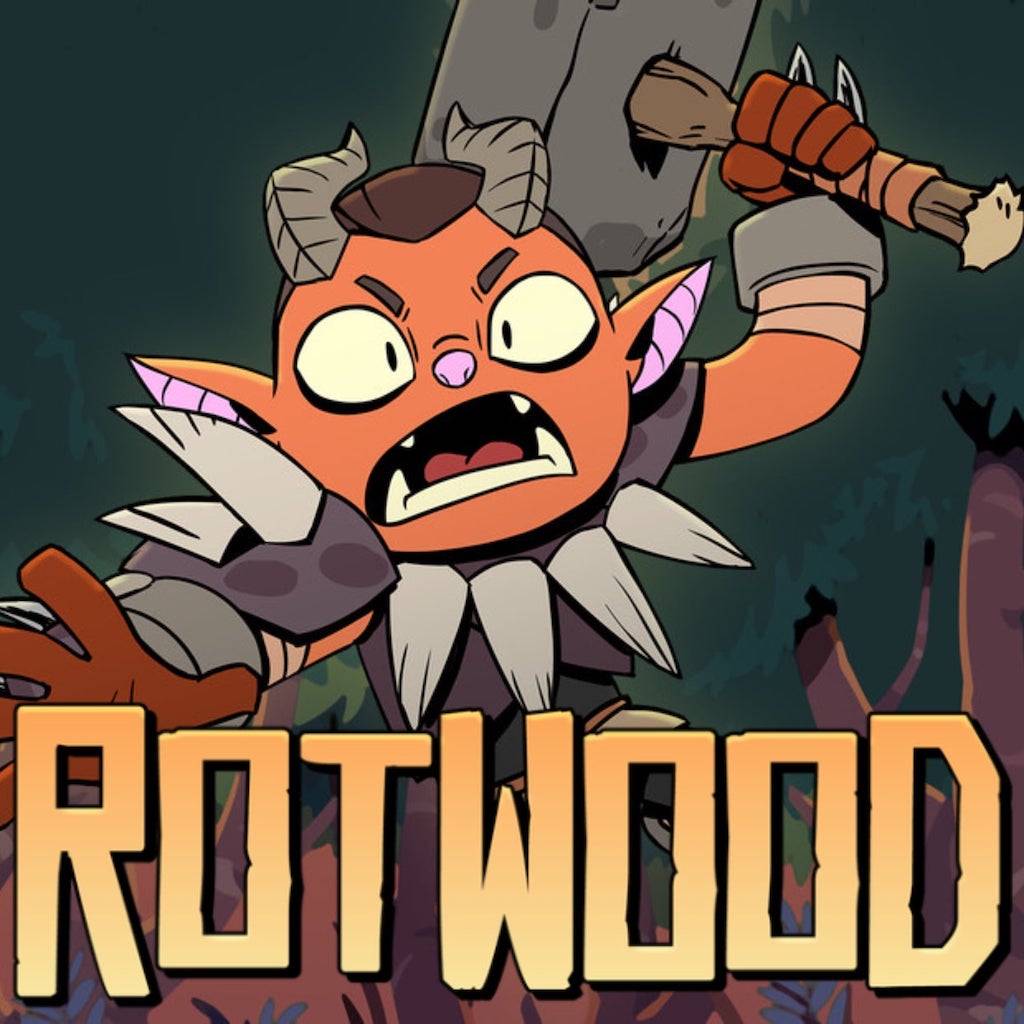
Visually, Rotwood exhibits the unmistakable Klei aesthetic.
Characters and environments are depicted in a dark yet whimsical, hand-drawn style that combines cartoon charm with eerie undertones.
Although set in a corrupted forest, the game rarely feels grim. Instead, it maintains a playful tone that makes even monstrous enemies seem strangely endearing.
Animations are smooth and expressive, with exaggerated movements that create a lively rhythm in combat.
The soundtrack complements the action well, providing energetic music that enhances the intensity of battles without becoming overwhelming.
Performance on Nintendo Switch 2
The Nintendo Switch 2 version performs impressively.
The game runs smoothly even during hectic multiplayer battles filled with enemies and visual effects. Load times remain short, and the handheld format suits the roguelite structure perfectly.
Quick runs are easy to start during short play sessions, while longer cooperative hunts work well on the larger screen.
The portability factor makes the Switch 2 version arguably the most appealing way to experience the game.
Pros & Cons
Pros
- Excellent skill-based combat system
- Fantastic co-op gameplay for up to four players
- Distinctive hand-drawn Klei art style
- Strong build variety with creative power-up combinations
- Rewarding progression and challenging endgame content
Cons
- Solo play can feel less dynamic than co-op
- Narrative elements remain fairly minimal
- Early progression can feel slow for new players
- Some runs may feel repetitive without build variety
Final Verdict
Rotwood is an excellent addition to the roguelite genre and another strong release from Klei Entertainment.
Its combat system particularly emphasises skill, timing, and positioning rather than simple button-mashing. Coupled with its vibrant presentation and addictive progression loop, the game offers an experience that remains engaging across numerous runs.
The cooperative multiplayer significantly enhances the overall experience, turning hunts into exciting group battles filled with teamwork and chaotic fun.
Although its story is relatively understated, the satisfying combat and replayability ensure that Rotwood continues to attract players time and again.
With the 1.0 release and the refined Nintendo Switch 2 version, Rotwood has finally achieved its full potential.