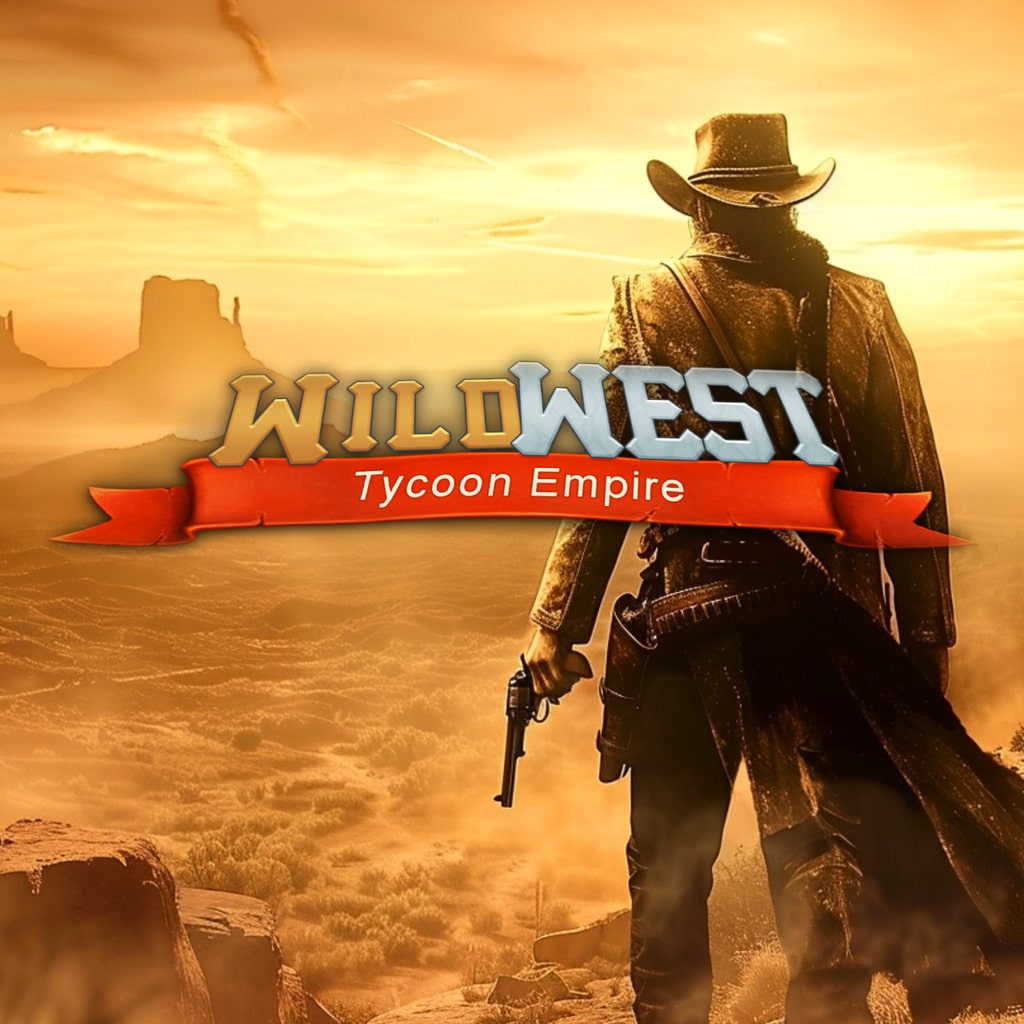
The Wild West has always been fertile ground for action-focused games — shootouts, outlaws, and dusty duels dominate the genre’s legacy. Wild West Tycoon, however, takes a very different approach. Instead of placing a revolver in your hand, it hands you a ledger book, a patch of unforgiving land, and a simple question:
Can you make civilisation profitable?
With the newly optimised 2026 release for Xbox and PC, publisher MagicPro brings expanded survival mechanics and improved performance to a game that blends city-building, farming simulation, and economic strategy into a surprisingly thoughtful frontier management experience. While its low-poly visuals and modest presentation may initially suggest a casual simulator, beneath the surface lies a system-driven tycoon game that rewards patience and long-term planning.
It’s not the flashiest management sim on the market — but it understands the appeal of building something from nothing.
From Dust to Prosperity
Wild West Tycoon begins with humble beginnings. You arrive on an empty frontier with limited resources, minimal infrastructure, and settlers relying on your leadership.
Your early tasks are simple:
- Establish food production
- Construct basic buildings
- Manage scarce resources
- Keep settlers alive
But the game quickly expands into a layered economic ecosystem. Farms feed workers, workers gather materials, materials fuel expansion, and expansion unlocks new industries.
This steady escalation mirrors classic tycoon design philosophy. Progress feels earned rather than handed to the player, creating genuine satisfaction as a struggling settlement transforms into a bustling Western town.
Frontier Agriculture: The Heart of Survival
Unlike many city builders, where farming is a background mechanic, agriculture sits at the centre of Wild West Tycoon’s economy.
Players cultivate historically inspired crops such as Prairie Corn, Frontier Beans, and Pioneer Pumpkins — each requiring different conditions and resource investments.
Water becomes an especially critical commodity. Irrigation decisions can determine whether your town thrives or collapses during drought.
This emphasis on agriculture adds strategic depth. Farming isn’t passive income; it’s a constant balancing act between risk and reward.
Poor crop planning leads to shortages. Over-expansion drains resources. The game encourages adaptation rather than rigid optimisation.
Resource Management That Feels Meaningful
The frontier setting gives resource management real weight.
Key resources include:
- Water
- Timber
- Gold
- Food supplies
Each is limited, especially early on. Expansion without planning quickly creates shortages that ripple across your economy.
The addition of light survival mechanics in the optimised version strengthens this system. Dust storms can damage infrastructure, droughts reduce agricultural output, and bandit raids threaten supply chains.
These events rarely feel unfair but demand preparation. Defensive planning and economic redundancy become essential to success.
It transforms the game from a simple builder into a survival-minded strategy experience.
Designing Your Western Town
Town construction follows familiar city-builder principles but adapts well to the Wild West theme.
Players construct:
- Saloons to boost morale
- General stores for trade
- Stables to improve logistics
- Workshops for production upgrades
Layout matters more than expected. Efficient placement reduces settlers’ travel time, improving productivity — a subtle but rewarding optimisation layer.
The sandbox structure offers flexibility. You can prioritise agriculture, trade networks, or industrial growth, depending on your preferred strategy.
There’s no single “correct” way to build your frontier empire, which adds replay appeal.
Research and Technological Progress
Progression extends beyond expansion through a research system that unlocks new technologies.
Advancements include:
- Improved irrigation systems
- Stronger building materials
- Efficient farming methods
Research provides meaningful long-term goals, encouraging players to think several steps ahead. Investing early in infrastructure often yields greater dividends than chasing rapid expansion.
This pacing reinforces the simulation’s theme: survival through preparation.
Low-Poly Visual Style
Visually, Wild West Tycoon adopts a clean, low-poly aesthetic.
Rather than pursuing realism, the game prioritises readability and charm. Buildings are simple yet recognisable, landscapes are colourful, and animations are functional without excess detail.
The style works well for a management game, ensuring information remains clear even as towns grow larger.
While it lacks the visual spectacle of high-budget city builders, the aesthetic suits the game’s relaxed, strategic tone and performs smoothly across platforms.
Performance Improvements in the Optimised Version
The 2026 release noticeably improves performance and stability.
Load times are faster, menus feel more responsive, and frame rates remain consistent even as towns expand. Xbox Series X|S optimisation ensures smooth camera movement and reliable simulation speed — essential for management titles where slowdowns can disrupt planning.
The improvements don’t radically transform the game, but they make long sessions significantly more comfortable.
Where the Frontier Shows Its Limits
Despite its strengths, Wild West Tycoon occasionally lacks depth in later stages.
Once core systems stabilise, gameplay can become predictable. Event variety feels limited, and late-game challenges don’t escalate dramatically enough to sustain tension indefinitely.
Additionally, tutorial guidance is minimal. New players unfamiliar with tycoon mechanics may initially feel overwhelmed by resource dependencies.
The UI, while functional, lacks some refinement compared with genre leaders and occasionally requires extra menu navigation.
A Relaxed Yet Strategic Experience
What ultimately defines Wild West Tycoon is its pacing.
This is not a high-pressure strategy game. It encourages steady growth, careful observation, and gradual optimisation. Sessions feel contemplative rather than frantic — fitting for a game about taming the wilderness through patience.
The balance between city-building freedom and survival challenges keeps engagement steady, even if it never reaches dramatic highs.
Pros & Cons
Pros
- Strong resource management systems
- Meaningful agricultural mechanics
- Relaxing yet strategic gameplay loop
- Flexible sandbox town-building
- Improved performance in optimised version
- Charming low-poly visual style
Cons
- Limited late-game challenge variety
- Sparse tutorials for newcomers
- UI occasionally clunky
- Event system could use more depth
Final Verdict
Wild West Tycoon succeeds by embracing the quieter side of frontier life. Rather than focusing on gunslingers and chaos, it tells the story of settlement, survival, and economic ambition through thoughtful management systems.
The 2026 release optimises performance and strengthens its survival elements, making it the best version of the game to date. While it lacks the complexity and polish of top-tier city builders, its focused design and relaxing pace give it a distinctive identity within the tycoon genre.
For players who enjoy building slowly, planning carefully, and watching a town grow against harsh odds, this frontier journey proves surprisingly rewarding.