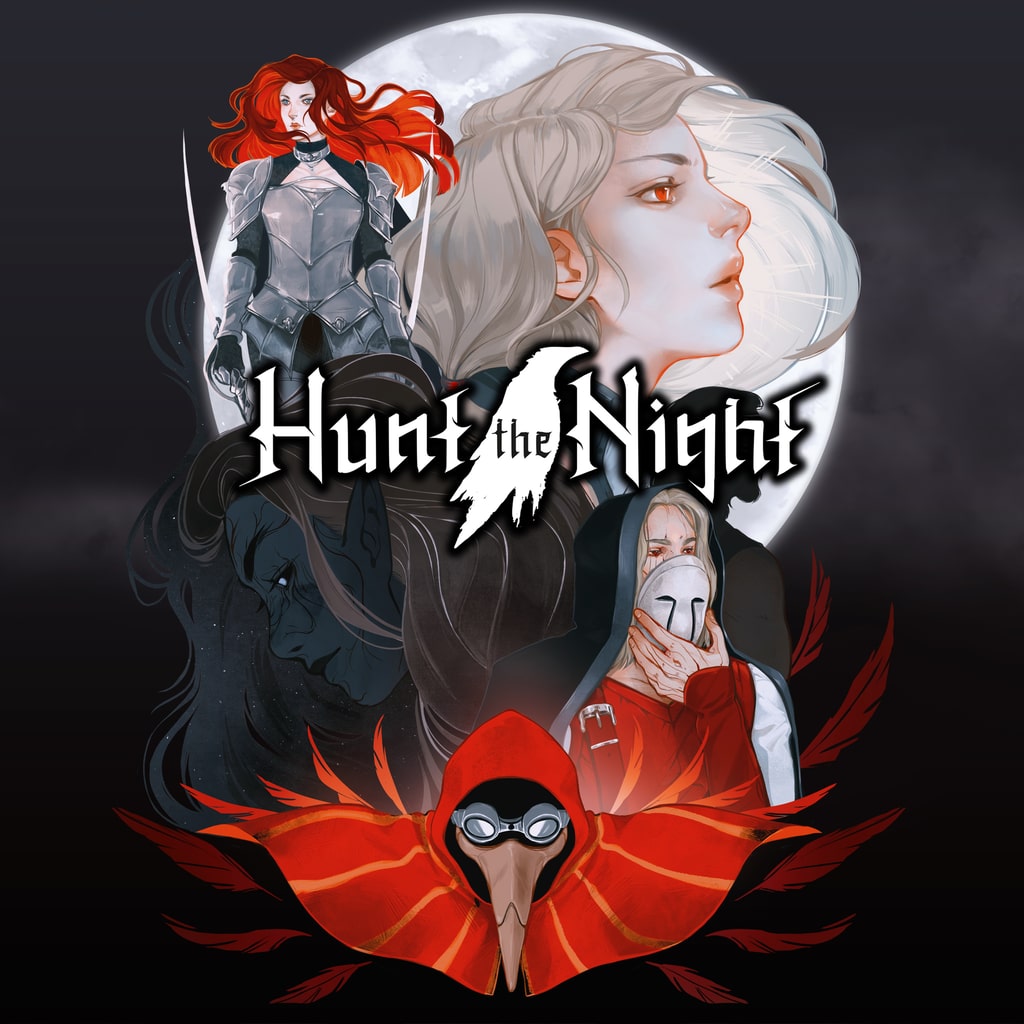
Some games wear their inspirations lightly. Others proudly display them like battle scars. Hunt the Night, developed by Moonlight Games and published by DANGEN Entertainment, firmly belongs to the latter category — a dark, uncompromising action RPG that openly channels the spirit of classic 16-bit adventures while injecting the ruthless intensity of modern Souls-like design.
Originally released on PC in April 2023, the game has now arrived on Nintendo Switch, PlayStation 5, and Xbox Series X|S as of February 26, 2026, bringing its gothic pixel nightmare to a much broader audience. Two years later, the question isn’t whether Hunt the Night holds up — it’s whether its demanding design still feels fresh in an increasingly crowded indie landscape.
The answer, thankfully, is yes… though not without a few sharp edges.
A World Consumed by Night
Set in the dying world of Medhram, Hunt the Night presents a bleak premise from the outset. Humanity survives in cycles: fragile eras of daylight inevitably swallowed by apocalyptic Nights filled with monstrous horrors. You play as Vesper, a Stalker — an elite warrior tasked with delaying extinction itself.
It’s dark fantasy in the purest sense. Hope exists, but only faintly.
Narrative delivery leans heavily into environmental storytelling rather than exposition. Crumbling cathedrals, abandoned settlements, and cryptic NPC conversations slowly reveal the world’s tragic history. Much like FromSoftware’s storytelling philosophy, lore is something you piece together rather than something handed to you.
This approach works beautifully for immersion but may frustrate players expecting a clearly structured narrative. The story is compelling, but it demands attention and interpretation.
Combat: Precision Over Power
At its core, Hunt the Night is defined by combat — and it wastes no time establishing its brutality.
Battles unfold from a top-down perspective reminiscent of The Legend of Zelda: A Link to the Past, but any similarity ends once enemies begin attacking. Combat is fast, aggressive, and unforgiving.
Vesper fights using a hybrid system:
- melee weapons for close combat
- firearms with limited ammunition
- Dark Powers fueled by energy resources
The defining mechanic is the ammo recovery loop. Bullets replenish only through successful melee attacks, forcing players into constant risk-reward decision-making. You cannot safely kite enemies forever; survival requires aggression.
This push-and-pull design feels unmistakably inspired by Bloodborne, translated surprisingly well into a 2D format.
Dodging is equally critical. Vesper’s dash includes tight invincibility frames, rewarding precise timing rather than panic movement. Button-mashing leads to death — quickly.
Combat feels demanding but fair. Every mistake is readable, every victory earned.
Bosses That Demand Mastery
If regular combat tests skill, bosses demand mastery.
Each major encounter introduces multi-phase battles filled with projectile patterns, area attacks, and punishing timing checks. These fights often feel closer to bullet-hell encounters than traditional RPG bosses.
The optional Hunt missions, accessed through the Crow’s Nest, push difficulty even further. These contracts pit players against elite monsters designed to challenge fully upgraded builds.
Completing Hunts grants permanent upgrades, creating a powerful incentive to engage with optional content despite the steep challenge.
Some encounters border on overwhelming initially, but persistence reveals carefully designed patterns beneath the chaos. Learning, adapting, and finally overcoming a boss remains one of the game’s greatest satisfactions.
Builds, Weapons, and Dark Powers
Customization plays a larger role than the retro visuals initially suggest.
Vesper’s playstyle can be shaped through:
- weapon choices (daggers, greatswords, ranged tools)
- stat upgrades using Noctilium
- equippable Dark Powers
- passive bonuses tied to gear
Players can build for speed, survivability, ranged damage, or status effects like poison and lifesteal. Importantly, bosses often encourage adjusting builds rather than brute-forcing encounters.
This flexibility adds replay value and softens frustration by allowing experimentation.
However, upgrade pacing can feel slightly uneven. Missing key upgrade materials early may make later fights disproportionately difficult, particularly for newcomers unfamiliar with exploration-heavy RPG design.
Exploration and Dungeon Design
Outside combat, Hunt the Night embraces classic adventure structure.
Medhram unfolds as an interconnected overworld filled with:
- hidden passages
- environmental puzzles
- secret bosses
- optional lore discoveries
Dungeons stand out as highlights. Each introduces unique visual themes and mechanics — from haunted libraries to decaying kingdoms suspended above darkness.
Puzzle design remains straightforward but effective, acting as breathing space between intense combat sequences.
Exploration rewards curiosity generously, encouraging players to search every corner for upgrades and secrets. Skipping exploration is technically possible — but strongly discouraged.
Pixel Art with Gothic Identity
Visually, Hunt the Night is stunning.
Rather than nostalgic imitation, the game uses pixel art to create a distinctive gothic aesthetic. Environments drip with atmosphere:
- flickering torchlight in ruined castles
- moonlit forests crawling with shadows
- grotesque creature designs animated with surprising detail
The contrast between vibrant spell effects and bleak environments reinforces the constant struggle between light and darkness.
Performance on modern consoles is smooth across the board, with stable frame rates and crisp presentation. The Switch version holds up impressively in handheld mode, though visual clarity is strongest on PS5 and Xbox Series X displays.
A Legendary Soundtrack
One of the game’s greatest triumphs is its music.
Composed in collaboration with Hiroki Kikuta (Secret of Mana), the soundtrack blends SNES-era melodic sensibilities with darker orchestral tones.
Boss themes elevate tension dramatically, while exploration tracks evoke loneliness and melancholy. The music doesn’t merely accompany gameplay — it shapes emotional pacing.
Few indie RPGs deliver a soundtrack this memorable.
Difficulty: Rewarding but Unforgiving
Make no mistake — Hunt the Night is difficult.
There are limited accessibility options, and the game rarely softens its demands. Death comes frequently, particularly during early hours when mechanics are still being learned.
Yet frustration rarely stems from unfair design. Instead, it comes from player impatience.
This is a game about mastery, not progression speed.
Players willing to learn enemy patterns and refine timing will find immense satisfaction. Those seeking a relaxed retro adventure may bounce off quickly.
Where It Falls Short
Despite its strengths, a few issues hold it back from true greatness.
- Narrative clarity can feel too opaque at times
- Upgrade economy occasionally punishes missed exploration
- Some late-game encounters spike difficulty sharply
- Limited accessibility options may alienate less experienced players
None are deal-breakers, but they prevent broader accessibility.
Final Verdict
Hunt the Night succeeds because it understands exactly what it wants to be: a modern reinterpretation of classic action-adventure design infused with Souls-like intensity.
It captures the emotional weight of dark fantasy, the precision of high-skill combat, and the nostalgic charm of 16-bit exploration without feeling derivative. The 2026 console release proves the experience translates beautifully beyond PC, offering smooth performance and an excellent controller feel.
This isn’t a game designed to comfort players — it’s designed to challenge them, test patience, and reward perseverance.
For those willing to embrace its darkness, Hunt the Night delivers one of the most satisfying retro-inspired action RPGs of recent years.