There’s a particular kind of tension that only document-checking games seem able to create.
A face. A passport. A permit. A tiny discrepancy.
And suddenly you’re questioning everything.
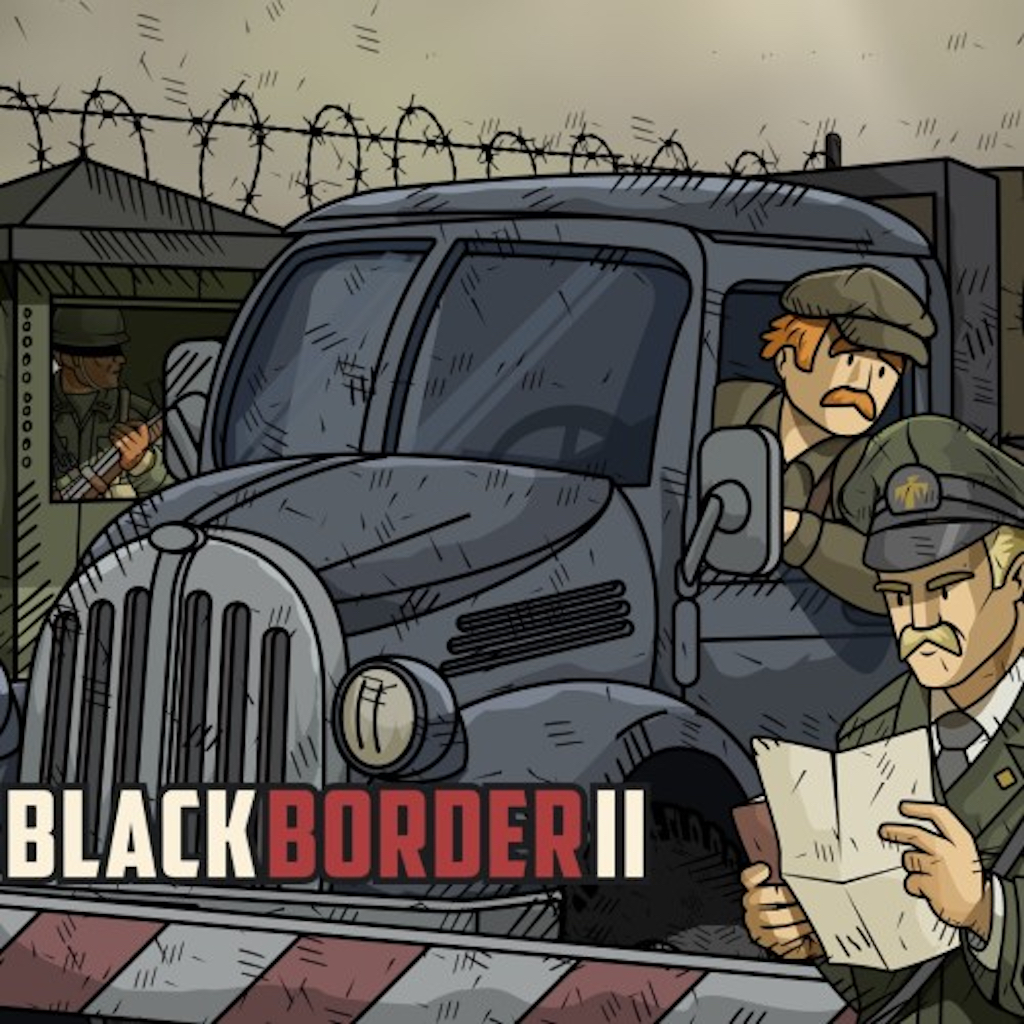
Black Border 2 by Bitzooma leans heavily into that formula, placing you in the boots of a border police officer tasked with protecting your nation from smugglers, fraudsters, and those trying to slip through with more than they declare. If the premise sounds familiar, that’s because the shadow of Papers, Please looms large here — but Black Border 2 attempts to evolve the idea into something more simulation-focused, with vehicles, scanners, tools, and even a canine unit adding layers to the routine.
What emerges is a game that thrives on scrutiny, routine, and rising pressure — one where boredom is your enemy and detail is your greatest weapon.
Welcome to the Checkpoint
Your job is simple in theory: inspect documents and decide who gets through.
In practice, it becomes a steady escalation of complexity. Early on, you’re checking passports for expiry dates and mismatched names. Before long, you’re juggling:
- Entry permits
- Cargo manifests
- Vehicle weights
- X-ray scans
- Hidden compartments
- Suspicious behaviour
- And alerts from your trusty sniffer dog
Black Border 2 builds its gameplay through gradual layering. New mechanics are introduced at a measured pace, ensuring you’re comfortable before the game adds another variable to track. This careful ramp-up is crucial, because by the mid-game, your desk becomes a chaotic puzzle of paperwork, screens, and tools.
And that’s where the tension lives.
The Joy of Scrutiny
There is a strange satisfaction in catching someone out.
Spotting a forged date stamp. Noticing a vehicle that weighs slightly more than declared. Watching the X-ray reveal something tucked behind a seat. Calling the dog over and seeing it react to a hidden stash.
Black Border 2 understands that the appeal of this genre is in the small victories. The game rewards patience and attention to detail. It wants you to slow down, to observe, to question.
But it also pushes back with time pressure, queues of vehicles, and the ever-present risk of making the wrong call.
Approve the wrong person, and you’re penalised. Reject an innocent traveller, and you’re penalised. The margin for error shrinks as the game progresses.
Tools of the Trade
Where Black Border 2 differentiates itself is through its expanded toolkit.
You’re not just looking at papers. You’re actively investigating.
- X-ray scanners let you peer inside vehicles for contraband.
- Weigh stations help identify vehicles carrying more than they claim.
- The canine unit adds a dynamic element, physically moving around the vehicle to detect hidden items.
These tools make the job feel more tactile and less static than simple desk-bound document checking. You’re constantly switching between inspection methods, which keeps the gameplay from becoming monotonous.
It starts to feel less like a puzzle game and more like a procedural simulator.
Pressure Builds Naturally
The pacing is one of the game’s strengths.
Early days feel manageable. You might even think the job is easy. But slowly, the game increases the volume of entrants, the complexity of rules, and the variety of tricks smugglers use.
Fake documents become more convincing. Contraband becomes harder to find. Mistakes become more costly.
There’s a genuine sense of rising workload, mirroring the stress of an overburdened officer trying to keep up. By the time multiple cars are queued, each requiring different checks, you’re juggling tasks in a way that feels intentionally overwhelming.
And that’s where the immersion kicks in.
A Simulator First, Narrative Second
Unlike some games in this genre, Black Border 2 is far less concerned with story or moral dilemmas. There are no branching narratives or personal tales from travellers. The focus is firmly on the job.
You are an officer. Your duty is security.
This gives the game a colder, more procedural tone. Some players may miss the human element, but others will appreciate the pure simulation focus. It becomes about systems, not stories.
You’re not deciding fates. You’re enforcing rules.
Repetition: Strength and Weakness
The gameplay loop is both the game’s biggest strength and its biggest limitation.
If you enjoy methodical inspection and growing complexity, Black Border 2 is absorbing. There’s a rhythm to checking, scanning, weighing, and approving that becomes almost hypnotic.
But if that loop doesn’t click with you, the repetition becomes obvious. There’s little variation outside the core mechanic, and sessions can start to feel samey after extended play.
This is very much a niche experience built around a very specific kind of gameplay satisfaction.
Presentation and Interface
The UI is functional and clear, designed to support quick decision-making without clutter. Documents are readable, tools are easily accessible, and switching between inspection methods feels smooth.
Visually, the game is utilitarian rather than flashy. The checkpoint, vehicles, and characters serve their purpose without drawing attention. This works in the game’s favour — the focus remains on the process, not the presentation.
Sound design reinforces the procedural atmosphere: stamps, scanner hums, car engines, and subtle ambient noise create a believable checkpoint environment.
Where It Falls Short
Black Border 2 doesn’t do much to surprise you once all mechanics are introduced. There are no dramatic twists, no major new gameplay shifts, and limited variety in scenarios.
The lack of narrative depth may also make long-term engagement harder for players who need a sense of story progression.
And while the tools add variety, the fundamental task never changes: check, detect, approve or reject.
Final Verdict
Black Border 2 is a focused, methodical border inspection simulator that succeeds by committing fully to its premise. It takes the core appeal of document-checking gameplay and expands it with investigative tools, vehicle inspections, and escalating complexity that create genuine tension.
It’s not flashy, story-driven, or varied — but it doesn’t try to be. Instead, it delivers a disciplined, system-driven experience where patience, observation, and attention to detail are everything.
For players who enjoy slow-burn pressure and procedural gameplay, this is deeply satisfying. For others, it may feel repetitive and clinical.