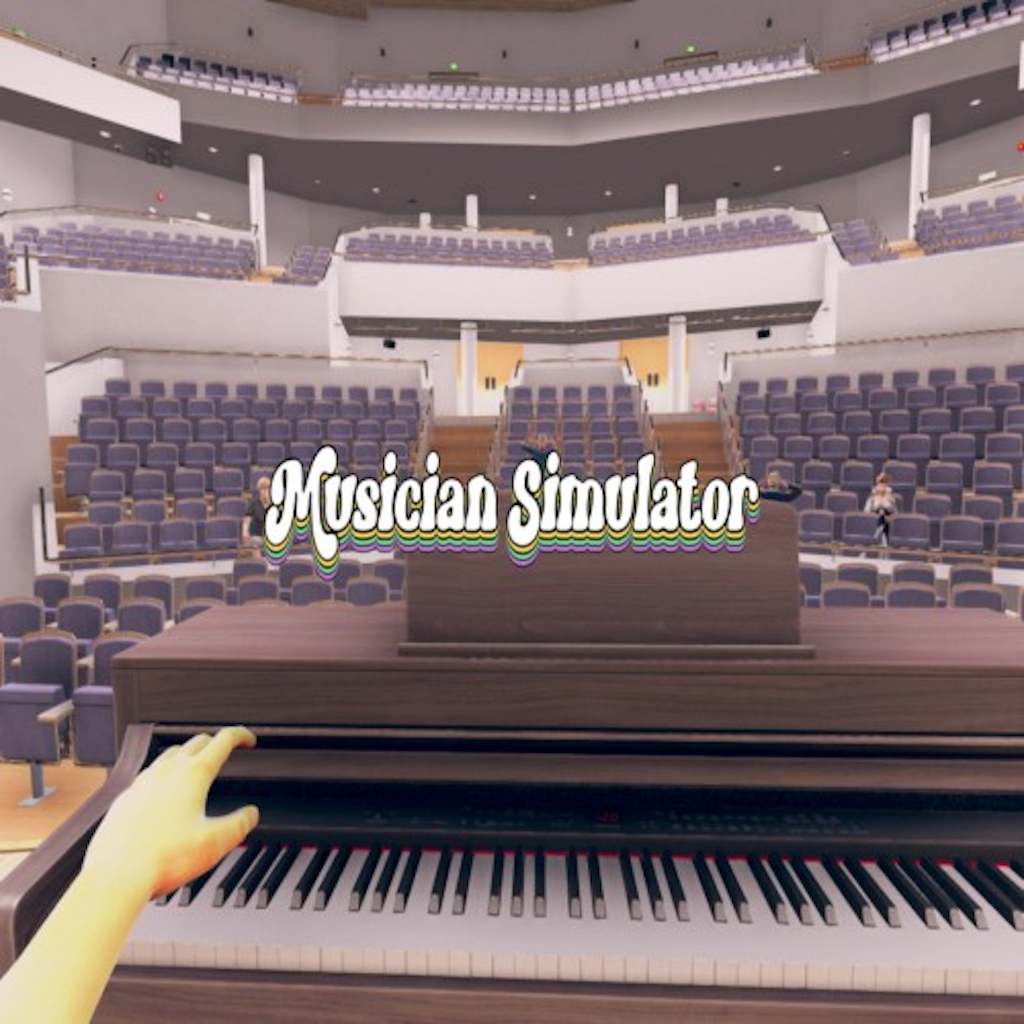
Musician Simulator arrives with an enticing premise: step into the shoes of an aspiring artist, navigate the gritty realities of creative work, and painstakingly build a music career from practice rooms to packed venues. In a market crowded with life-sim hybrids and management titles, this game distinguishes itself by choosing a theme that is both universal and deeply personal—the struggle to turn artistic passion into sustainable success.
This is a game that doesn’t chase spectacle or narrative melodrama; instead, it embraces the messy and sometimes contradictory cycles of creation, self-promotion, performance pressure, and audience expectation. On its best days, Musician Simulator captures why musicians put themselves—and their art—on the line. On its less successful ones, it reveals the structural limitations of translating creative instinct into quantifiable systems. The result is an experience that is compelling, occasionally uneven, and worth exploring for players who enjoy gradual progress, meaningful choices, and emergent personal narratives.
World and Premise — The Long Road to the Stage
The narrative foundation of Musician Simulator is refreshingly grounded. You begin as a beginner artist with little more than a chosen genre, an instrument, and a handful of early-stage ambitions. From there, the game maps out creative development as a series of systems: practice, composition, performance, networking, personality cultivation, and resource management.
Rather than a linear storyline, the structure resembles an ecosystem of opportunities and trade-offs. Should you focus on songwriting or polishing performance skills? Will you accept a paid local gig that limits creative freedom, or wait for an opportunity that better matches your artistic vision? These decisions shape your career arc, and the game rarely tells you which path is “correct.” Instead, it asks players to accept that artistic growth is imperfect and deeply personal—a tonic for simulation fatigue built around rote systems.
Core Gameplay — Practice, Perform, Progress
The core gameplay loop in Musician Simulator is a blend of skill development, decision-making, and strategic prioritisation. It revolves around three interconnected pillars:
- Practice and Skill Building: Time invested in practice improves technical proficiency on your instrument and unlocks new techniques, effects, or performance embellishments. Practice sessions are mini-games that balance precision with creativity, turning repetition into a system with moments of tactile satisfaction.
- Composition and Creativity: Composing new songs involves modular systems that allow you to piece together riffs, chords, melodies, and effects. While the interface isn’t as fluid or expressive as professional digital audio workstations, it strikes a usable balance that lets players feel like they are creating rather than just assigning numerical bonuses.
- Performances and Feedback: Gigs, open mics, and festival slots form the outward expression of your progress. Each performance is a blend of preparation, in-moment execution, and audience dynamics. The better your preparation and composition choices, the smoother your gigs tend to feel—yet no two performances play out the same.
This three-part loop—practice, compose, perform—serves as the game’s backbone. Success in one pillar informs the outcomes in others. Practised skills allow you to tackle more ambitious compositions, which in turn generate better performance opportunities.
Progression and Strategic Choices — Crafting a Career
Where Musician Simulator distinguishes itself is in how it frames progression not just as numeric growth but as evolving artistic identity. Early gigs are small and often financially modest, but they provide exposure, audience feedback, and incremental reputation boosts. As your reputation grows, opportunities expand into new venues, collaborative invitations, and promotional options.
The game smartly integrates consequences into decisions. Accepting a lucrative commercial gig may provide financial stability but alienate part of your niche fanbase. Conversely, refusing paid engagements in favour of artistic integrity increases creative reputation but strains your budget. These trade-offs give the progression arc genuine weight; artistic advancement isn’t merely a function of time played—it’s driven by choices that feel personally meaningful.
Equally notable is how the game models risk. Launching a new album without adequate promotion can sink momentum; performing technically challenging pieces before you’ve mastered them can damage reputation. In this sense, progression isn’t linear—it’s a nuanced interplay of preparation, opportunity, and execution.
Practice and Performance Systems — Depth With Occasional Friction
Practice sessions in Musician Simulator are more than timers or menu selections. Mini-games require players to manage tempo, transitions, precision hits, and emotional expression. Successfully executed practice boosts confidence meters and skill ratings; mistakes can lead to fatigue or stagnation.
These mechanics are satisfying when they work, but do present occasional friction. Learning curves vary by instrument and skill type, and some players may find early sessions repetitive before more varied patterns emerge. The interface for composition—while functional—can feel convoluted without tutorials that guide players through deeper musical mechanics like harmony layering or effect blending.
Performances translate progress into tangible outcomes. Show quality is evaluated across multiple dimensions: technical execution, crowd engagement, originality, and setlist coherence. This multi-dimensional feedback is a welcome departure from simple pass/fail outcomes, and it encourages players to approach each gig holistically rather than as a single metric.
Visual and Audio Presentation — The Soundtrack of Success
Given its musical theme, Musician Simulator owes much of its ambiance to sound design, and it largely delivers. Tracks composed during play are integrated into performance evaluations, and while limitations exist compared to real musical tools, the system creates a satisfying sense of ownership. Hearing your “composition” played back during gigs elevates investment in the progression loop.
Visual design is clean and functional. Practice rooms, stages, and venues are distinct enough to provide variety, though environments can feel static compared to the emotional dynamism of performances. Character models and expressions are functional rather than cinematic, placing emphasis on systems over visual spectacle.
The audio landscape, in contrast, is rich. Ambient venue sounds, crowd reactions, and layered performance audio help players feel present in each scene. While the game doesn’t boast a legendary soundtrack, its contextual audio strengthens engagement and reinforces the connection between choices and outcomes.
Accessibility and Learning Curve
The simulation’s ambition makes for a moderate learning curve. Early sessions include helpful prompts and guided mini-games, easing players into the practice–composition–performance cycle. After the introductory phase, players must rely on internal logic and trial-and-error refinement—a choice that will delight simulation purists but may overwhelm casual players seeking quick gratification.
Options for accessibility—such as adjustable difficulty, simplified composition interfaces, or practice aids—are useful but could be more robust. Players with limited musical background may find depth intimidating at first, but determination is rewarded with nuanced control and creative payoff.
Replayability and Longevity
Longevity in Musician Simulator comes from personalised narratives rather than branching scripts. No two careers unfold identically because choices, genre focus, gig acceptance, and composition style shape each playthrough. The desire to refine skills, explore new genres, or push for headline stage slots provides ongoing motivation.
However, players seeking structured campaign arcs, competitive leaderboards, or multiplayer performance dynamics may find the game’s solo focus limiting. The reward loop is deeply satisfying for introspective play, but less so for players craving external competition or social interplay.
Verdict
Musician Simulator impresses by translating the creative journey of a musician into a deliberate simulation that rewards strategy, planning, and personal expression. Its core systems—practice, composition, performance—interlock in ways that feel intentional and meaningful. While not without occasional friction in interface and pacing, it delivers a uniquely thoughtful experience for players who relish methodical progression and emergent narratives over spectacle.
If you’ve ever wondered what it takes to climb from basement rehearsals to headlining stages, and enjoy systems that make you feel your progress rather than simply earn it, Musician Simulator offers an engaging and rewarding journey.