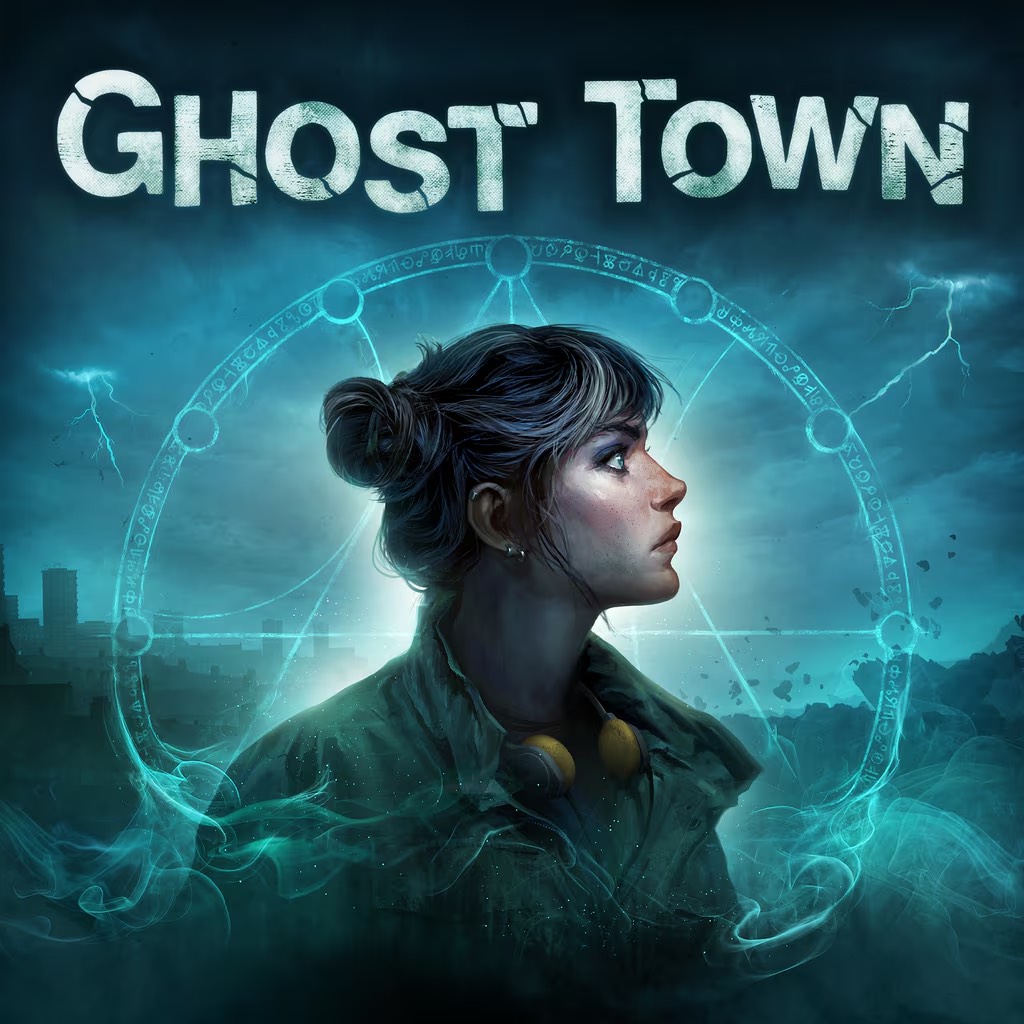
Ghost Town arrives at a moment when the horror genre is enjoying one of its most creative periods, yet it still manages to carve out a distinctive identity with careful storytelling, clever design, and a surprisingly emotional core. Equal parts spectral mystery, slow-burn survival adventure, and psychological character study, Ghost Town blends atmospheric tension with grounded human drama in a way that feels both familiar and refreshing. What begins as a simple expedition into a long-deserted mining settlement becomes a multilayered descent into memory, guilt, and lingering trauma—both the town’s and the protagonist’s.
At the centre of the story is Alex Carter, a field investigator sent to document the remains of a once-thriving frontier community reduced to ruins after a catastrophic mine collapse nearly a century earlier. The setup feels like classic horror fare, but the developers waste no time signalling that this is not about cheap jump-scares or shock-value set pieces. Instead, Ghost Town embraces an eerie, creeping dread—the kind that sits at the edge of vision and under the skin.
A Town That Breathes Without Living
The title is not misleading: the town itself is the main attraction, antagonist, and mystery. From the moment you step foot onto its dusty streets, there’s a palpable sense of something watching. The abandoned storefronts, collapsed mine shafts, rotting timber frames, and creaking signposts come alive through small ambient touches—distant footsteps, whispering wind, soft knocks inside boarded-up homes, flickers of movement in windows.
This environmental storytelling is Ghost Town at its strongest. Every location feels like it has a past, and exploring the town is a process of uncovering it piece by piece. The game makes excellent use of light and shadow, with lanterns, flashlights, and moonlit silhouettes creating striking visual composition. The colour palette—washed-out blues, dusty browns, muted greys—reinforces its theme: a place where life once flourished but now lingers only as memory.
The design philosophy is restraint. The game rarely throws ghosts at you; instead, it suggests them, lets them linger as unsettling impressions, and saves the truly supernatural confrontations for moments when tension is at its highest. That makes every encounter feel earned and impactful.
Exploration as Emotional Unravelling
The gameplay is primarily exploration-driven. You’ll comb through houses, dig through remnants of lives long gone, inspect personal artefacts, and unlock new areas through a combination of light puzzle-solving and environmental interaction. Puzzles rarely halt progress for long—they’re built to reinforce the narrative rather than challenge your brainpower. One requires piecing together an old family portrait based on clues scattered across their home. Another asks you to align broken minecart tracks using journals referencing past accidents.
These moments are thoughtful rather than difficult, and that suits the pacing well. Ghost Town is more about absorbing atmosphere than testing puzzle credentials. The game wants you to feel like an investigator carefully peeling back decades of silence.
Yet exploration is not merely mechanical—it’s emotional. As Alex discovers the town’s former residents through diaries, letters, audio reels, and hallucination-like flashback visions, a second story unfolds: Alex’s own unresolved past. The parallels are subtle but effective, linking the protagonist’s personal guilt with the town’s tragic history. It’s a delicate narrative interplay that gives the supernatural elements thematic weight rather than existing solely for spooks.
A Unique Approach to Horror
What sets Ghost Town apart from its genre peers is its approach to horror. While many modern games lean heavily on instant shocks, Ghost Town leans into psychological pressure. You may be walking down a familiar street only for a house light to flicker in a building you know has no electricity. You might hear your footsteps echo strangely, as though two of you were walking. You may re-enter a location only to find objects subtly rearranged, or messages scratched into walls in handwriting that looks disturbingly like Alex’s.
The scares are slow, escalating, and tied to the protagonist’s mental state. Sanity slowly shifts as the game progresses, altering visuals, audio cues, and environmental behaviour. It’s immersive, unsettling, and consistently unpredictable.
This approach is not going to satisfy players looking for high-octane horror with monsters chasing them through corridors. Ghost Town is measured. It’s quiet. It’s the kind of horror you notice after a few minutes, when your shoulders are tense and you’re not sure when that happened.
Performance, Presentation, and Feel
Visually, Ghost Town punches above its weight. The environments are meticulously detailed, and the lighting system is both beautiful and oppressive. The sound design—rustling leaves, rattling shutters, distant howls, and the whispering of ghosts that may or may not be real—is exceptional, doing heavy lifting for immersion and emotional tone.
Performance is tight on modern hardware, with only occasional micro-stutters during particularly complex lighting sequences. The animation quality of supernatural events is solid but not flawless—some apparition movements can feel marionette-like—but this never detracts significantly from the experience.
The orchestral score is subtle yet haunting, using soft strings and sparse piano to quietly emphasise emotional beats. It’s a soundtrack designed not to dominate the experience, but to echo through it like the memories the game explores.
Shortcomings and Missed Opportunities
While Ghost Town is deeply atmospheric, it’s also deliberately slow. Some players may find the early hours overly quiet or directionless. The puzzle design, while elegant, rarely surprises. And the emotional narrative, while effective, occasionally leans into familiar tropes of guilt-driven hauntings.
Additionally, the ending—though thematically satisfying—may feel ambiguous to players seeking more concrete answers.
Final Verdict
Ghost Town is not a horror game for everyone. But for those who enjoy atmospheric storytelling, slow-burn tension, and emotional mystery, it’s a standout. It understands that horror isn’t just about monsters—it’s about memory, regret, and the ghosts people carry with them long after the dying stops.
It’s thoughtful, beautifully presented, and quietly gripping from start to finish.