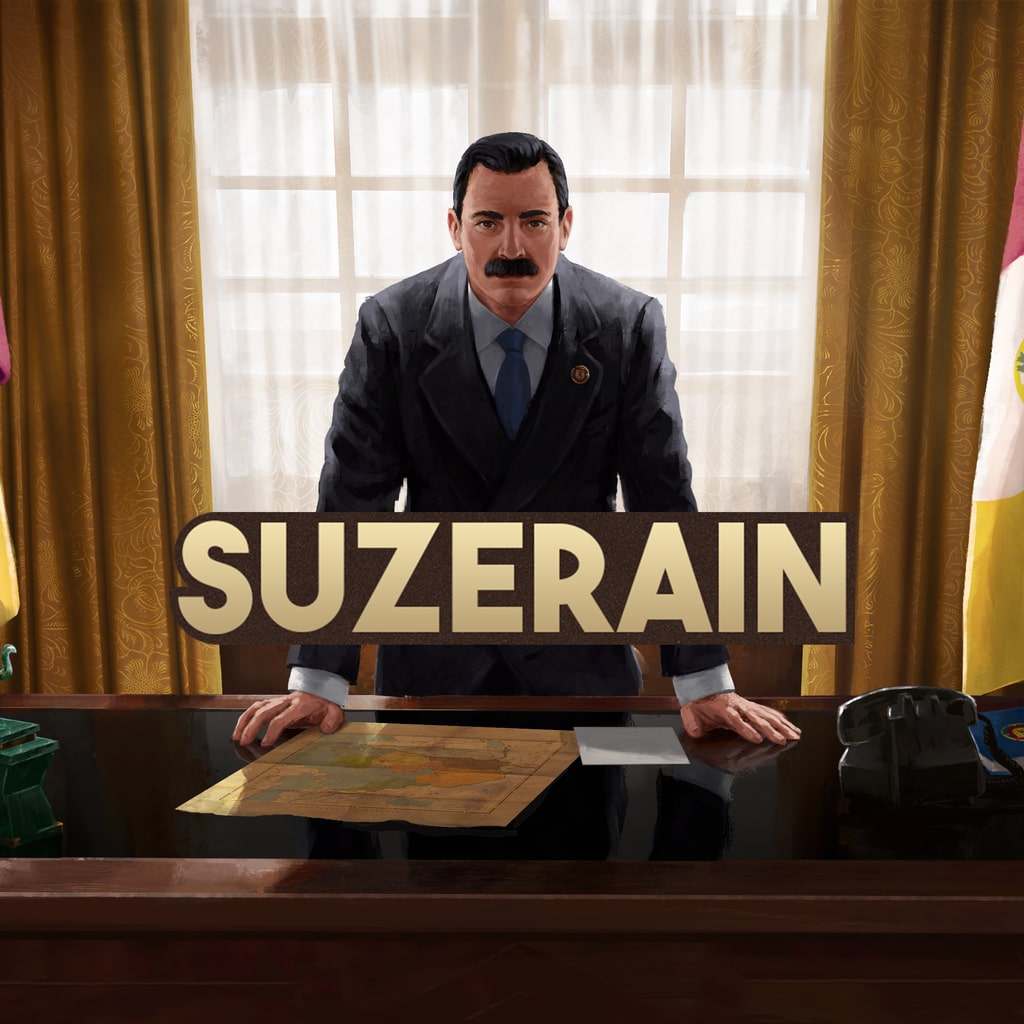
In a gaming landscape dominated by action-packed adventures, shooters, and sprawling open-world epics, Suzerain stands out as a deeply political, narrative-driven experience. Developed by Torpor Games, Suzerain puts players in the shoes of Anton Rayne, the newly-elected president of the fictional Republic of Sordland, tasked with guiding a nation on the brink of political, economic, and social upheaval. This is a game where every decision carries weight, consequences ripple through society, and the moral complexities of leadership are laid bare.
At its core, Suzerain is a text-driven political simulation, blending choice-driven narrative with strategy and resource management. You engage in cabinet meetings, sign or veto legislation, handle diplomatic crises, and respond to events ranging from civil unrest to international tensions. Every choice affects your approval rating, the loyalty of advisors, and the stability of the nation. There’s a delicate balance between ideology, pragmatism, and survival—push too hard for reform, and risk rebellion; play too cautiously, and the country stagnates.
The writing is one of Suzerain’s strongest assets. The script is dense, nuanced, and often morally ambiguous. Advisors and ministers are fully fleshed-out characters, each with their own agendas, loyalties, and personalities. Interactions are rarely black-and-white; you’re often forced to choose between competing priorities, such as economic growth versus social welfare, or appeasing foreign powers versus maintaining sovereignty. These scenarios resonate because they mirror real-world dilemmas, making decisions feel weighty and often uncomfortable. The narrative doesn’t shy away from controversy, tackling issues like corruption, propaganda, and social inequality with intelligence and care.
Gameplay blends strategic planning with narrative choice. The nation’s statistics—economy, infrastructure, political stability, and public support—serve as both a resource and a constraint. Decisions in cabinet meetings and public addresses alter these metrics, which in turn influence available options and potential outcomes. There’s a tactical layer to leadership: budget allocation, diplomatic stances, and even subtle manipulation of political factions are all critical to maintaining power and advancing your vision. The complexity is approachable but deep, rewarding thoughtful decision-making over impulsive reactions.
Visuals in Suzerain are minimalist but effective. The game primarily relies on portraits, menus, and text-based interfaces, with occasional symbolic imagery to punctuate events. While not graphically ambitious, the design serves the narrative purpose, keeping the focus squarely on your decisions and their consequences. Similarly, the audio design is understated, with occasional music and sound cues that underscore tension without distracting from the storytelling.
One of the game’s standout features is its branching narrative structure. Each choice has repercussions, and no two playthroughs are identical. Policies you implement, alliances you forge, and compromises you make all affect the trajectory of the Republic of Sordland. Events can escalate or resolve depending on your approach, and advisors may resign, protest, or even conspire against you based on your leadership style. The sense of agency is profound; the game effectively places the weight of national governance on your shoulders.
Despite its many strengths, Suzerain has limitations. The learning curve can be steep, particularly for players unfamiliar with political simulations. Managing national statistics, navigating complex dialogue trees, and understanding the intricate web of advisor relationships requires attention and patience. Some players may initially feel overwhelmed by the density of options and potential consequences. Additionally, the text-heavy interface, while narratively rich, may be less engaging for those seeking action-oriented gameplay or visual spectacle.
The pacing can also feel deliberate. Unlike fast-paced strategy games or visual novels with constant action, Suzerain encourages contemplation. Events unfold slowly, and the ramifications of your decisions often take time to materialize. For some, this deliberate pace is a strength, reinforcing the feeling of measured leadership. For others, it may feel sluggish or repetitive.
A further consideration is the game’s ethical weight. Decisions are rarely “right” or “wrong,” and achieving a “successful” presidency may come at the cost of moral compromise or personal sacrifice. This ambiguity is compelling for players interested in narrative depth, but it can be frustrating for those who prefer clear objectives or immediate gratification.
Overall, Suzerain succeeds by embracing its niche. It is a sophisticated, thoughtful political simulator that challenges players to navigate the complexities of governance, power, and morality. The sense of responsibility, the depth of character interactions, and the weight of your choices combine to create a truly immersive experience. It’s a game that invites reflection, discussion, and repeated playthroughs to explore alternate paths and outcomes.
Pros & Cons
Pros
- Deep, nuanced political narrative with morally complex choices
- Significant player agency; every decision carries meaningful consequences
- Engaging advisors and character interactions
- Rewarding strategic gameplay blended with narrative decisions
- Branching storylines encourage multiple playthroughs
- Subtle visual and audio design keeps focus on decisions and consequences
Cons
- Steep learning curve for newcomers to political simulations
- Text-heavy interface may feel intimidating to some players
- Deliberate pacing can feel slow or repetitive
- Moral ambiguity may frustrate players seeking clear “right” or “wrong” outcomes
- Limited visual spectacle; relies heavily on writing and imagination
Verdict
Suzerain is an exceptional narrative-driven political simulation. Its combination of strategic depth, morally complex choices, and branching storylines makes it one of the most thoughtful and immersive political games of recent years. While it may not appeal to those seeking action or visual spectacle, for players who enjoy weighty decision-making and narrative depth, Suzerain is a standout experience.