There is something inherently entertaining about dropping a modern person into the middle of ancient history and asking them to make sense of it. Give that person knowledge of modern business, a questionable sense of humour and the chance to romance some of the most recognisable figures from Chinese history, and you have the wonderfully strange premise behind The Three Kingdoms: Rebirth. This is not a serious attempt to recreate the historical Three Kingdoms period, nor does it pretend to be. Instead, it takes the familiar names, throws them into a parallel world and builds an interactive drama around romance, ambition, betrayal and the occasional spectacularly bad decision.
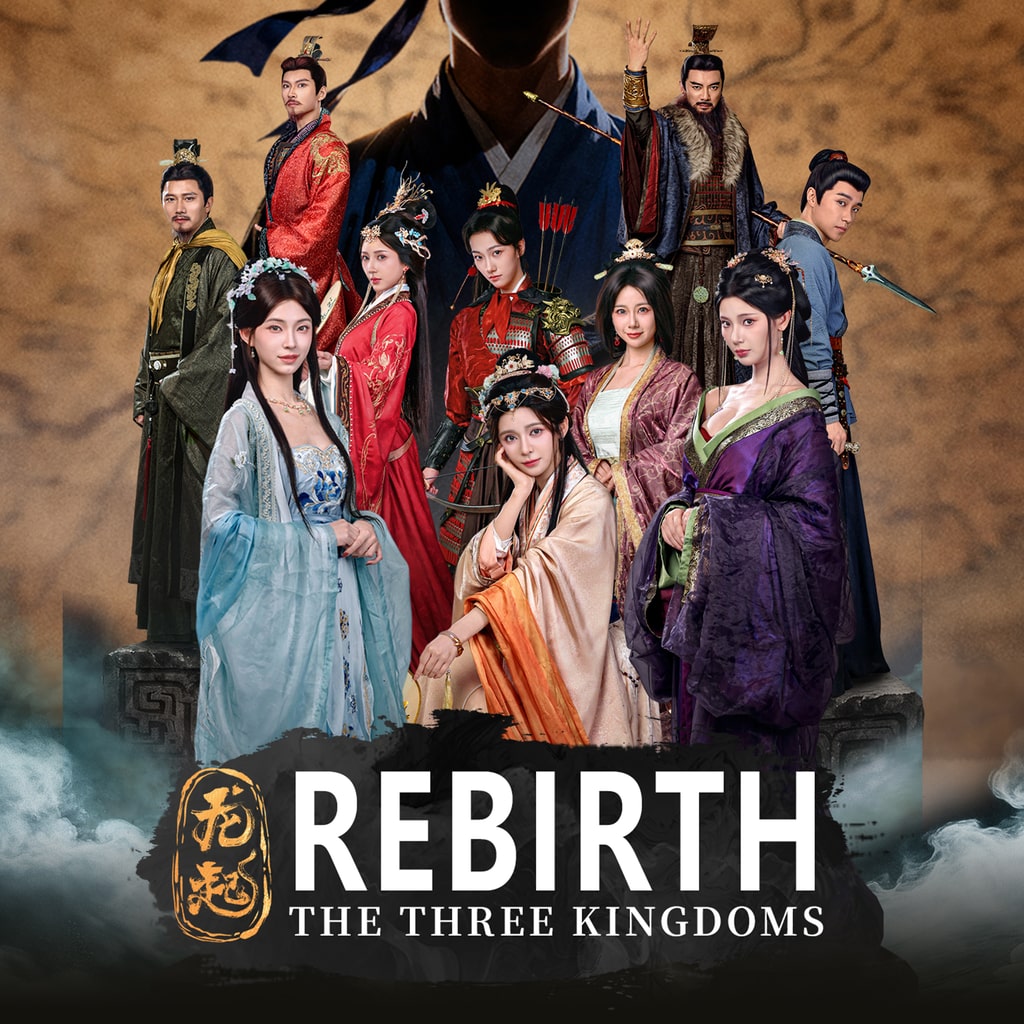
Developed by Mountain & Sea Studio and published by Yi Xiang Feng Interactive Entertainment, The Three Kingdoms: Rebirth is an interactive live-action adventure that sits somewhere between a visual novel, a dating simulation and a branching historical drama. You play as Liu Xiaoshan, an ordinary modern man who suddenly finds himself in an alternate version of the Three Kingdoms era. What follows is a sprawling web of relationships, political manoeuvring and choices that can completely alter the story. It is an unusual mix, but there is a surprising amount of charm in watching a modern outsider attempt to navigate a world where a misplaced word could get him killed.
Welcome To A Very Different Three Kingdoms
The game’s opening immediately establishes that this is not the Three Kingdoms you might remember from history books or classic literature. This is a parallel world where familiar names and events have been reshaped to serve the game’s narrative. Liu Xiaoshan is not simply there to observe history either. His presence allows him to actively influence it, and his modern knowledge becomes one of his greatest weapons.
That concept shines when the game lets Liu’s contemporary perspective clash with the people around him. Modern business concepts, casual humour and unfamiliar ways of thinking can prove surprisingly useful. A conversation that might seem ridiculous from a historical perspective can suddenly become an opportunity to gain someone’s trust, secure an alliance or open a new romantic route.
It is also worth stressing that the game’s fictionalised approach is important. The Three Kingdoms: Rebirth is not attempting to teach players about actual Chinese history, and those approaching it expecting historical accuracy should probably look elsewhere. This is historical fantasy wearing the clothes of a familiar period, and once you accept that, its more outrageous ideas become much easier to enjoy.
Romance, Power And Plenty Of Trouble
Romance is one of the central pillars of the experience, and the game is not particularly shy about it. Liu Xiaoshan can develop relationships with a range of characters, each route offering its own personality, ambitions and potential complications. The women are not simply decorative figures waiting for the protagonist to choose them. Their reactions, loyalties and personal goals can genuinely influence how the story develops.
That is particularly important because relationships can become surprisingly dangerous. Jealousy, rivalries and political alliances can collide, creating situations where a romantic decision has consequences far beyond affection. Someone you have trusted may turn against you, while another character can become an unexpected ally because of the relationship you have built with them.
There is a pleasant sense of unpredictability to these interactions. The game does not always make it obvious which option will produce the outcome you want, and that encourages experimentation. Sometimes you make what appears to be the sensible decision only to discover several scenes later that you have quietly destroyed an alliance you needed.
Choices That Actually Matter
The branching structure is easily one of the most appealing aspects of The Three Kingdoms: Rebirth. With more than thirty endings and numerous routes through the story, there is plenty of incentive to replay the adventure. Your choices can influence relationships, political alliances and even whether particular characters survive.
The game understands that consequences are more interesting when they are not always immediate. A choice made early in the story might seem harmless, only for its consequences to surface much later. This creates a pleasant sense that you are writing your own version of the story rather than simply selecting dialogue options until you reach a predetermined ending.
That said, the sheer number of branches can occasionally work against the storytelling. Some decisions feel more significant than others, while certain routes can seem to steer you towards an ending without providing enough information about why your relationships or political standing have changed. It is part of the trial-and-error nature of the experience, but players who prefer transparent systems may find themselves making decisions almost blindly at times.
Playing Politics
Although the game does not aim to be a full-scale strategy game, political relationships form another important part of the experience. Famous figures such as Cao Cao, Liu Bei and Sun Quan become people you need to negotiate with rather than simply names from history. Gaining someone’s trust can be just as valuable as pursuing a romantic relationship, particularly as the political landscape grows increasingly dangerous.
The idea of choosing sides during major events such as the Battle of Red Cliffs and Guandu gives the story much-needed dramatic weight. You are constantly reminded that Liu’s actions can affect more than his personal relationships. Supporting one faction can put you directly against another, and an alliance that appears useful today could become a serious liability later.
There is no enormous army to command and no sprawling battlefield strategy system underneath it all. Instead, the game focuses on the personal side of political power. It is about conversations, alliances, persuasion and knowing who you can trust. That smaller perspective works surprisingly well because it keeps the story focused on Liu rather than turning the game into another conventional Three Kingdoms strategy experience.
Modern Man, Ancient World
The time-travel concept is perhaps the game’s most entertaining idea because Liu Xiaoshan’s modern perspective gives the writers plenty of opportunities to have fun. Watching him introduce contemporary concepts into an ancient society can be genuinely amusing, particularly when those around him have absolutely no idea what he is talking about.
There are moments when the humour lands particularly well because it comes from character rather than simply being a reference for the sake of a reference. Liu’s worldview feels different from those around him, creating enjoyable friction. He can use knowledge that nobody else possesses, but being clever does not automatically make him safe.
Unfortunately, the writing can sometimes lean too heavily into the wish-fulfilment side of the premise. Liu can occasionally feel less like an ordinary modern man and more like a character designed to have the perfect answer to every situation. That makes some of his victories feel less satisfying than they could be, as the story occasionally bends a little too readily around its protagonist.
The Live Action Presentation
The live-action presentation is an important part of the game’s identity. Rather than relying entirely on illustrated character portraits, The Three Kingdoms: Rebirth uses filmed performances to bring its cast to life. This gives the romantic scenes a different energy from a traditional visual novel and helps the characters feel more immediate.
The performances vary, as you might expect from a relatively modest production, but there are enough strong moments to make the format worthwhile. Facial expressions and body language can convey what a simple dialogue box cannot, particularly during moments of betrayal or romantic tension. When the actors settle into their roles, the game can feel surprisingly theatrical.
It is not always polished, however. Some scenes have a distinctly low-budget quality, and the contrast between dramatic performances and more awkward material can occasionally be quite noticeable. Rather than ruining the experience, though, this contributes to the game’s slightly eccentric personality. It feels like a passionate indie production that is trying something ambitious rather than a polished blockbuster attempting to imitate an interactive movie.
A Story Built For Replay
If you are the kind of player who enjoys seeing how different choices affect a narrative, there is plenty here to keep you occupied. The branching paths encourage experimentation, while alternative romantic routes give you reasons to revisit earlier sections and make different decisions.
There is also something satisfying about seeing how differently a familiar character can behave depending on the choices you make. A potential ally can become an enemy, a romance can turn into a disaster, and a seemingly minor decision can completely alter the final chapter. The game becomes less about reaching one perfect ending and more about discovering the many stories hidden within its structure.
This can mean that some players may find the experience repetitive on subsequent playthroughs. There is only so much early material you can skip before the repetition becomes noticeable. A stronger system for quickly revisiting major decision points would have made the replay structure even more enjoyable.
Final Verdict
The Three Kingdoms: Rebirth is an odd game, but that is ultimately part of its charm. It takes a familiar historical setting, dispenses with any obligation to respect the original timeline, and replaces it with a strange mix of time travel, romance, political intrigue and modern humour. The result will certainly not appeal to everyone, particularly players seeking a serious Three Kingdoms adaptation, but those willing to embrace its eccentric premise will find a surprisingly engaging interactive drama.
Its greatest strength is the feeling that your decisions genuinely belong to you. You can pursue romance, chase political power, try to balance both, or simply make a series of spectacularly poor decisions and see where they lead. The more than thirty endings give the story a welcome sense of scale, while the relationships provide enough emotional investment to make some consequences genuinely sting.
There are rough edges, particularly in the writing, pacing and live-action presentation, and the game occasionally feels more ambitious than its budget allows. Yet there is personality here, and that counts for a lot. The Three Kingdoms: Rebirth is not trying to be the definitive Three Kingdoms experience. It is trying to give you your own strange little version of the era, complete with romance, political chaos, questionable modern business ideas and the very real possibility of someone handing you a poisoned cup.
For players who enjoy branching visual novels and interactive dramas, there is enough here to make the journey worthwhile. It is messy in places, occasionally cheesy and sometimes wonderfully ridiculous, but it also has genuine ambition and a willingness to let players shape the story. In a genre filled with familiar formulas, that willingness to embrace its own weirdness makes The Three Kingdoms: Rebirth surprisingly easy to remember.