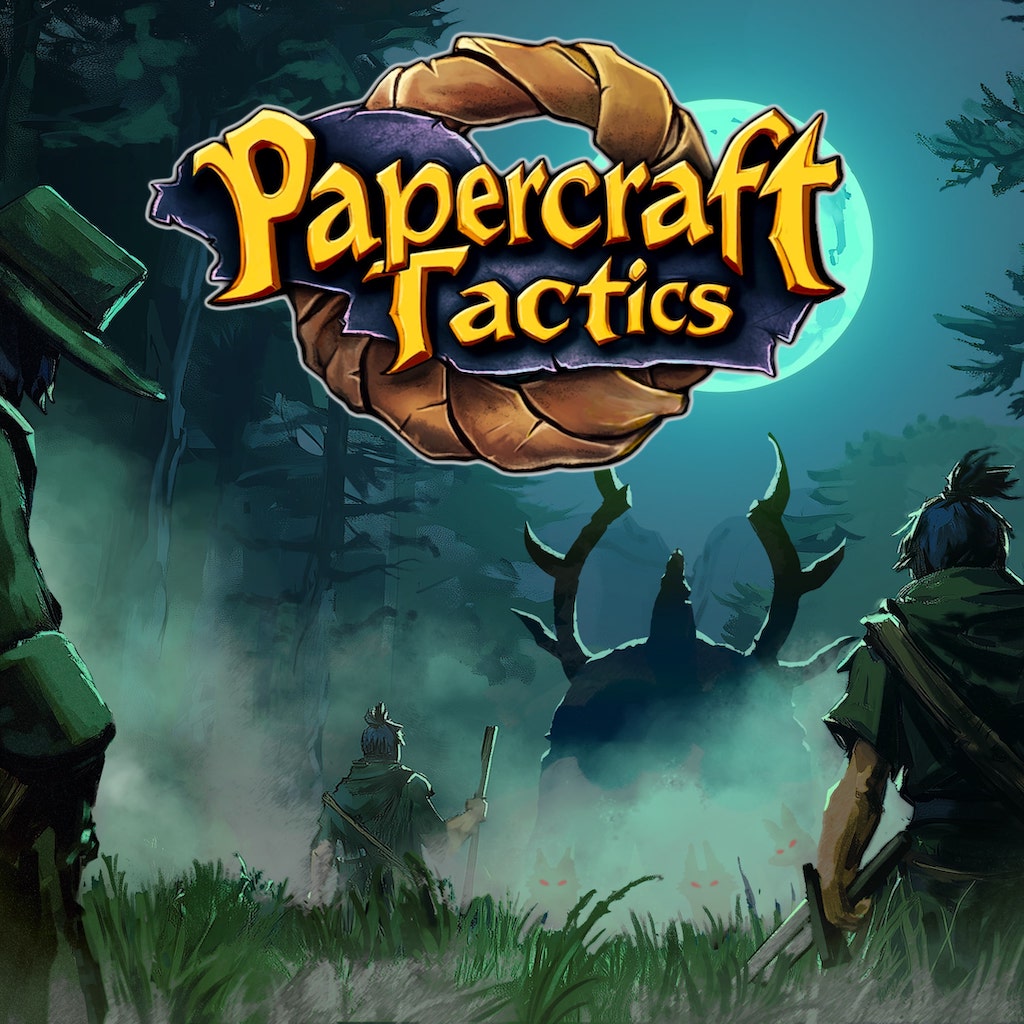
There is something wonderfully appealing about games that take a familiar idea and twist it into something unexpectedly fresh. The strategy genre is packed with titles built around grids, deck-building, and carefully planned turns, yet Papercraft Tactics makes those familiar ingredients feel delightfully different. Instead of simply commanding armies or selecting attacks from menus, this charming roguelike asks players to become architects of their own combat systems, carefully arranging a magical backpack that literally comes alive in battle.
Developed and published by AGE Zero, Papercraft Tactics combines inventory management, automated combat, and tactical decision-making within a beautifully crafted paper-theatre world. Every battle is a puzzle, every item placement a choice, and every successful combination feels like watching a carefully prepared machine finally spring into action. The result is an experience that rewards patience, creativity, and experimentation rather than quick reactions.
At its heart, the game is about understanding connections. Weapons, potions, magical wands, and defensive tools are not simply equipment to collect. They are pieces of a larger system waiting to be arranged into something greater. When a carefully designed chain activates and your entire backpack erupts into a sequence of attacks, protections, and effects, there is a satisfying sense of accomplishment that few strategy games manage to capture.
While its cosy appearance may suggest a relaxing experience, Papercraft Tactics conceals a surprisingly deep tactical challenge beneath its handmade exterior. It is a game about preparation, adaptation, and finding creative solutions when your perfect plan inevitably begins to unravel.
Gameplay
The defining feature of Papercraft Tactics is its living backpack system, which immediately sets the game apart. Rather than selecting individual attacks each turn, players arrange items on a limited grid to create automated sequences. Each item has inputs and outputs that must be connected correctly, allowing actions to flow from one object to another. A sword may trigger an additional strike, which activates a magical effect, which then boosts another item further along the chain.
At first, this system feels simple. Placing items next to each other and watching them activate is easy to understand, but the true depth emerges as more complex combinations become available. Suddenly, every square of backpack space matters. A powerful weapon may be useless if it prevents a more important defensive chain from connecting. A weaker item might become invaluable if it completes a devastating combination.
The game encourages experimentation because there is rarely one perfect solution. Different heroes bring their own passive abilities and strengths, so the same collection of items can produce completely different results depending on how it is arranged. One run may focus on overwhelming damage, while another might revolve around defensive barriers, elemental effects, or carefully timed status conditions. This flexibility is where Papercraft Tactics shines. It does not simply ask players to find stronger equipment. It asks them to understand how everything works together.
Combat That Rewards Preparation
Combat itself is largely automated once the turn begins, but that does not make battles passive. In fact, the opposite is true. The moments before a fight are when the most important decisions are made, as players adjust their backpack layout and consider the threats ahead.
Once combat starts, watching your carefully constructed chain activate is genuinely satisfying. There is a small thrill in seeing a sequence unfold exactly as planned, especially when multiple effects trigger in quick succession. A basic attack becomes a critical strike, which activates a poison effect, which then generates a shield that protects against the enemy’s retaliation.
However, enemies are designed to disrupt those plans. Different opponents have unique resistances and abilities that force players to rethink their strategies rather than rely on the same combination repeatedly. A build that dominates one encounter may struggle against another, encouraging players to remain flexible.
The addition of tactical cards provides another layer of control. These limited-use abilities allow players to intervene in their automated systems during battle. Cards can duplicate attacks, remove harmful effects, force immediate item activations, or provide emergency solutions when things start to go wrong.
These moments prevent combat from becoming a simple matter of watching numbers appear on screen. The cards ensure players remain involved, making important decisions even after their initial setup is complete.
Building the Perfect Run
Like many roguelike experiences, Papercraft Tactics thrives on replayability. Each journey offers branching paths, merchant opportunities, random events, elite enemies, and powerful bosses that demand different approaches. The unpredictability of each run means players are constantly adapting rather than following a fixed strategy.
The drafting system is particularly effective because it creates interesting choices throughout the adventure. Finding a powerful new item is exciting, but deciding whether it actually improves your current build is often more complicated. Sometimes the strongest equipment is not the right choice if it breaks an existing chain of interactions.
This fosters the kind of strategic thinking that keeps players engaged. Every reward has potential, but every addition also risks disrupting the delicate balance of your backpack.
Boss encounters provide a satisfying test of everything learned throughout the run. Their varied resistance patterns force players to examine their builds carefully and make adjustments before attempting victory. Defeating a difficult enemy after several failed attempts feels rewarding because success comes from understanding the system rather than simply grinding for stronger numbers.
The only major frustration stems from randomness. Like many roguelikes, certain runs can be heavily affected by the items available through shops and rewards. Sometimes the tools needed for a promising strategy simply never appear, creating situations where success feels more dependent on luck than on decision-making.
A Handmade World Full of Charm
Visually, Papercraft Tactics is a delight. The paper-theatre presentation gives the game an identity that immediately sets it apart from other strategy titles. Characters appear as carefully crafted cut-outs, environments resemble miniature stages, and warm lighting evokes the feeling of watching a handcrafted performance unfold.
There is a genuine sense of personality throughout the presentation. The game understands that charm is not just about looking cute. It is about creating a world players want to spend time in. The gentle aesthetic makes the strategic complexity feel more welcoming, providing a comforting contrast to the intense decision-making happening beneath the surface.
The interface can occasionally feel overwhelming, especially during complex battles when multiple item effects activate at once. As your backpack becomes more advanced, understanding every interaction can require careful attention. A clearer presentation of certain effects would make late-game builds easier to follow. Despite this, the overall design remains impressive. The paper-inspired visuals are not simply decoration. They are a major part of the game’s identity and atmosphere.
Verdict
Papercraft Tactics is a clever and charming strategy experience that proves innovation can spring from the smallest ideas. By making inventory management the heart of combat, it creates a system that feels both accessible and surprisingly deep. The satisfaction of designing a perfect chain reaction and watching it unfold never fades.
Its roguelike structure offers plenty of replay value, while the paper theatre presentation gives the game a warmth that makes every run inviting. Although some randomness can occasionally make progression frustrating and complex builds may be difficult to read, these issues are minor compared with the creativity and depth on display.
AGE Zero has created something special here. Papercraft Tactics is not just about winning battles. It is about crafting solutions, experimenting with possibilities, and enjoying the process of creating something uniquely your own.