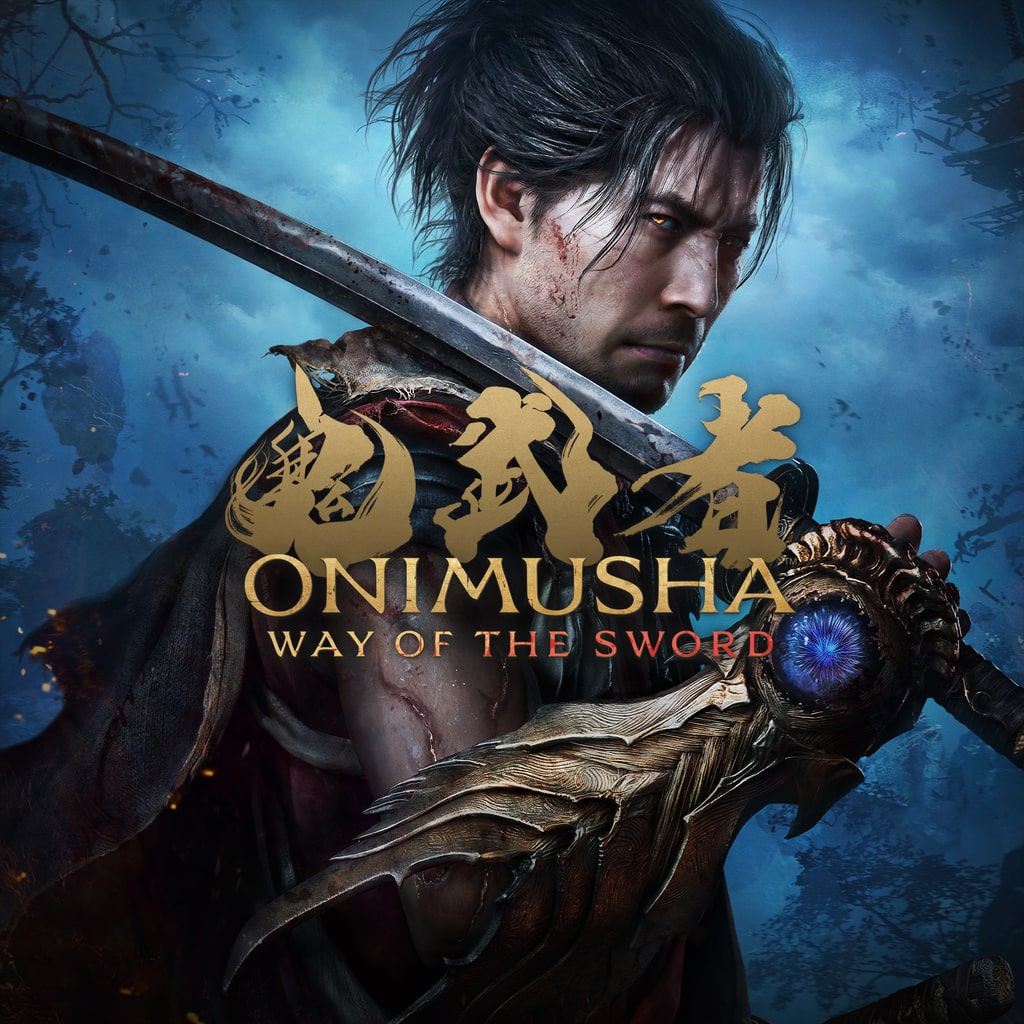
For years, Onimusha felt like one of gaming’s great sleeping giants. While surrounding franchises evolved, transformed, and sometimes lost themselves chasing modern trends, Capcom’s supernatural samurai saga remained locked in the past. Fans never stopped asking for its return, but after two decades of silence, many had accepted the series had become little more than a cherished memory. Now, Onimusha: Way of the Sword is set to change that.
Fresh from its impressive showing at Sony’s June State of Play presentation, Capcom’s revival appears determined to honour the original games’ soul while embracing modern action design. More importantly, it seems to understand exactly what made Onimusha special. Rather than becoming an open-world checklist adventure or another stamina-driven Soulslike, Way of the Sword is doubling down on precision combat, supernatural horror, and cinematic storytelling. At first glance, that decision feels refreshing.
A Kyoto Consumed By Darkness
The setting immediately establishes a powerful identity. This is not the colourful, romanticised Kyoto often depicted in historical adventures. Instead, players enter a city poisoned by a sinister force known as Malice, a supernatural corruption that twists familiar landmarks into terrifying reflections of themselves.
Shrines, temples, and ancient streets become hunting grounds for monstrous Genma demons. Smoke fills the air. Shadows creep across once-sacred places. Every glimpse so far suggests an atmosphere thick with dread and uncertainty.
Capcom’s artists appear to be having tremendous fun with the concept. Historical authenticity collides with dark fantasy in ways that feel uniquely Onimusha. The result is a world that looks hauntingly beautiful, balancing historical inspiration with nightmarish imagination.
What stands out most is the sense of place. Kyoto does not appear to be a simple backdrop. It feels like an active participant in the story, constantly shifting under Malice’s influence and creating a setting that is every bit as dangerous as the enemies who inhabit it.
Miyamoto Musashi Takes Centre Stage
Leading the adventure is legendary swordsman Miyamoto Musashi, one of Japan’s most iconic historical figures. Capcom’s interpretation makes an immediate impression. This version of Musashi is young, ambitious, and fiercely determined to prove himself the greatest swordsman alive. Of course, his plans become significantly more complicated once demonic invasions and mystical gauntlets enter the picture.
The decision to model Musashi on the late film legend Toshiro Mifune is inspired. Even in short gameplay clips, the character carries an unmistakable presence. His movements convey confidence without arrogance. His stance communicates experience while still suggesting someone eager to test his limits.
It gives the game a distinct cinematic flavour rooted in classic samurai films rather than contemporary fantasy trends. More importantly, Musashi appears to have personality. Small animations, subtle gestures, and expressive reactions suggest a protagonist who feels genuinely human beneath the supernatural circumstances surrounding him.
Combat Built Around Skill Rather Than Statistics
The biggest reason to be excited about Way of the Sword is its combat system. Capcom has repeatedly stated that this is not a Soulslike, and available footage suggests that claim is genuine. Rather than focusing primarily on stamina management and deliberate attrition, combat emphasises reading opponents, exploiting openings, and delivering devastating counters.
Every encounter feels dangerous. Enemies adapt to repetitive attacks. Recklessly mashing buttons results in blades clashing rather than cutting through opponents. Players must vary their strikes, watch enemy posture, and identify weaknesses before committing to an offensive. That alone adds an intriguing layer of tactical depth.
The defensive mechanics appear equally important. Blocking, parrying, and deflecting incoming attacks lie at the heart of every battle. Successful defence is not simply about survival. It actively creates opportunities for counterattacks and momentum shifts.
Watching skilled players dismantle enemies in preview footage has been fascinating, as fights resemble tense sword duels rather than traditional action game brawls. Every movement carries weight. Every mistake has consequences. It is a philosophy that feels perfectly suited to the Onimusha name.
The Return Of The Oni Gauntlet
Of course, no Onimusha game would feel complete without the legendary Oni Gauntlet. The mystical artefact remains central to progression and combat, allowing Musashi to absorb the souls of defeated enemies. Returning fans will instantly recognise the mechanic, though it appears more refined than ever.
Coloured souls serve distinct purposes. Yellow souls restore health. Red souls function as upgrade currency. Blue souls power devastating special abilities and secondary Oni weapons.
It is an elegant system that constantly rewards aggressive play. Every defeated enemy becomes a source of strength, encouraging players to push forward rather than retreat.
The supernatural element also helps distinguish Onimusha from other sword-based action games. While the combat may be grounded in realistic movements, the gauntlet introduces enough magical spectacle to ensure battles remain visually exciting and mechanically varied.
Break Issen Looks Spectacular
Veteran fans will be pleased to learn that the iconic Issen mechanic is returning in an evolved form. Now known as Break Issen, the technique rewards perfectly timed defensive actions with devastating finishing blows capable of instantly eliminating many opponents.
From what has been shown, these executions look incredible. Limbs fly. Demons collapse. Blood sprays across the battlefield. The presentation embraces a level of brutality that suits the game’s darker tone without feeling excessive for shock value alone.
More interestingly, bosses reportedly introduce strategic decisions during Break Issen opportunities. Players may choose to deal massive damage or harvest valuable bonus souls for future upgrades. That risk-versus-reward decision adds an extra layer of tension to encounters and could become one of the game’s most satisfying systems.
A Welcome Alternative To Current Trends
One of the most encouraging aspects of Way of the Sword is what it chooses not to do. Capcom could easily have turned Onimusha into a sprawling open-world experience. It could have copied the formula dominating the action RPG genre. Instead, the development team is targeting a focused 20- to 30-hour adventure built around handcrafted encounters and carefully paced progression.
That decision deserves praise. Not every game needs to be a 100-hour commitment. Sometimes players simply want a tightly designed adventure that respects their time while delivering memorable moments. Based on everything shown so far, Way of the Sword appears committed to that philosophy. There is a confidence in its design that feels increasingly rare.
Early Concerns Remain
Despite overwhelmingly positive impressions, a few concerns remain. The combat appears demanding. Although Capcom insists the game is not a Soulslike, enemies hit hard and healing resources seem scarce. Players expecting a straightforward hack-and-slash experience may struggle in the opening hours.
Some preview reports have also highlighted occasional camera issues in larger encounters. When surrounded by multiple enemies, keeping track of every threat can be challenging. Whether this remains a problem in the final release remains to be seen. Neither concern feels particularly alarming at this stage, but they are worth monitoring as launch approaches.
Final Thoughts
Onimusha: Way of the Sword feels like the return fans have long awaited. Rather than reinventing itself beyond recognition, Capcom appears to have carefully identified the elements that made the series special and rebuilt them with modern technology and contemporary design sensibilities. The result looks stylish, challenging, atmospheric, and wonderfully focused.
The blend of historical samurai drama, supernatural horror, and precision swordplay remains as appealing today as it was twenty years ago. If the full release can match the quality shown in previews and deliver a compelling story worthy of Musashi’s journey, Onimusha may finally reclaim its place among Capcom’s most beloved franchises.
For now, Way of the Sword stands as one of the most exciting action games on the horizon. Sometimes legends deserve a second chance. Based on everything we have seen so far, Onimusha looks ready to earn its comeback.