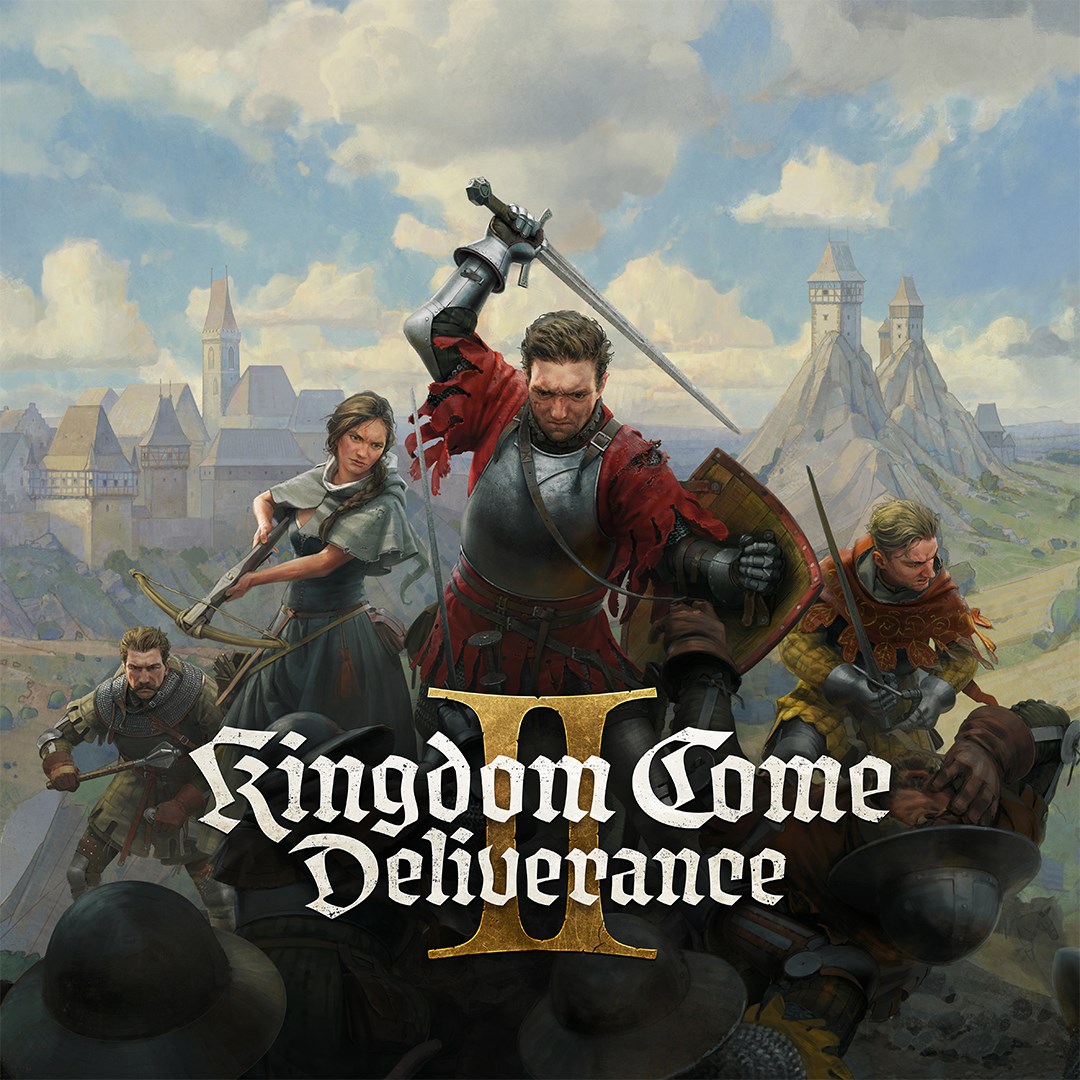
With Kingdom Come: Deliverance II, Warhorse Studios has crafted one of the most ambitious medieval role‑playing games of recent years—one that blends historical realism with open‑world scale and systemic depth. It climbs to impressive heights, immersing you in 15th‑century Bohemia like few games have, yet it also retains the deliberate pace and rough‑edge mechanics that will test even patient RPG veterans.
Story & Setting
You once again step into the boots of Henry of Skalitz, now grown into a season‑hardened warrior in a land riven by brewing war, shifting allegiances and moral complexity. The landscape is vast: fields of wheat sway beneath castle ramparts, dense forests echo with wolf howls, and town streets hum with muddy trade and rumor. According to reviewers, the world feels “utterly absorbing” thanks to its grounded tone and attention to everyday detail.
Narratively, the game gives you a huge sandbox of possibilities. Quests branch, your equipment and reputation matter, and your actions ripple across society. But you are not a super‑hero—Henry remains vulnerable, hungry, sometimes out of his depth. That tone keeps the stakes vivid and the world believable. At the same time, pacing can fold inward: some early chapters feel slow‑moving and filled with seemingly minor tasks that require you to embrace the rhythm of medieval life rather than high‑octane action.
Gameplay: Systems, Combat & Freedom
If the world is the star, the systems are its beating heart. Skills improve through use. Whether you’re sneaking, forging, fighting with blade or bow, the game tracks your practice and rewards your attention. Reviewers laud this layered freedom—quests may allow you to be a soldier, a spy, a gambler or a blacksmith—whatever suits your style.
Combat has been refined from the original: it’s more fluid, responsive and meaningful than before, yet it still demands you pay attention to stance, direction of attack and stamina. One fault: some combat moments feel less accurate than you might expect, particularly when facing multiple foes or when animations mis‑register hits. Nevertheless, the weighty feel of armor, the glow of a sword stroke in sunlight, the clamour of battle all contribute to a visceral experience.
The progression system is thoughtful; you’re seldom handed power early. Equipment, reputation and finance matter. Your clothing alters how NPCs treat you; your actions impact what merchants will sell. It gives a tangible sense of place and consequence—something few open‑world RPGs deliver so well. But this same system can feel slow—if you’re used to fast power spikes and flashy stats, you may chafe at the grind. Several reviewers note progression is “stubbornly slow”, meaning some will find the journey tired before the destination.
Visuals & Audio
In terms of atmosphere, Deliverance II delivers spectacularly. On PS5 or high‑end PC the environment is rich: forest scenes with light filtering through trees, the tumble of horse hooves in muddy streets, swirling snow on mountaintops. GameSpot described it as a world that “effortlessly oscillates between medieval drama and slice‑of‑life hijinks.”
Audio design supports the illusion: armor clinks, steel rings, ambient village soundscapes, forest rustling—all immerse you in the epoch. Dialogues are often strong, though some reviews flagged uneven voice acting or lip‑sync glitches. Technical excellence is high, though not flawless—drop‑in frame rate hitches and performance quirks still appear on some systems.
Strengths & Weaknesses
Pros:
- Immersive, believable open world steeped in historical detail.
- Systems‑heavy design gives meaning to clothes, equipment and actions.
- Meaningful quest variety and freedom of approach—live in the world rather than just pass through.
- A strong sequel that builds on the first game’s foundations in scale and polish.
- Visual and audio fidelity that brings 15th‑century Bohemia alive.
Cons:
- Steep learning curve and slower pace may deter players who prefer fast‑moving RPGs.
- Combat, while improved, still has moments of frustration when input/hit‑registration feels off.
- Some mechanics feel opaque (e.g., firearms feel clumsy), and certain systems are still under‑exposed.
- Technical hitches remain—especially on consoles or early builds.
- Saving system, stealth segments and some mission design occasionally feel old‑school in a way that can irritate modern players.
Replayability & Longevity
Deliverance II is built for the long haul. With a huge map, hundreds of side‑quests, dynamic NPC responses, and multiple play‑styles you can revisit in different ways. Want to be a knight, a blacksmith, a thief? The world supports you. The sheer density of simulation—repairing gear, managing hygiene and reputation, choosing your path—adds depth that encourages repeated exploration.
However, the slower pace means it demands commitment. If you play casually, you may find yourself plateauing once the novelty of exploration fades. For those invested, though, the game is richly rewarding. DLCs, mods (on PC) and continued community engagement should extend the life far beyond the main playthrough.
Final Verdict
Kingdom Come: Deliverance II may not be for everyone—it demands time, patience and a willingness to embrace slow‑burn immersion. But for those who answer that call, it offers one of the most compelling and authentic RPG experiences available. It’s a medieval world realized with love, complexity and care, and though it carries a few rough edges, its ambition pays off.
If you hunger for an RPG that doesn’t treat its world like window‑dressing, but as a living domain you inhabit and influence, this is your game. A masterful, messy, unforgettable journey into medieval life.