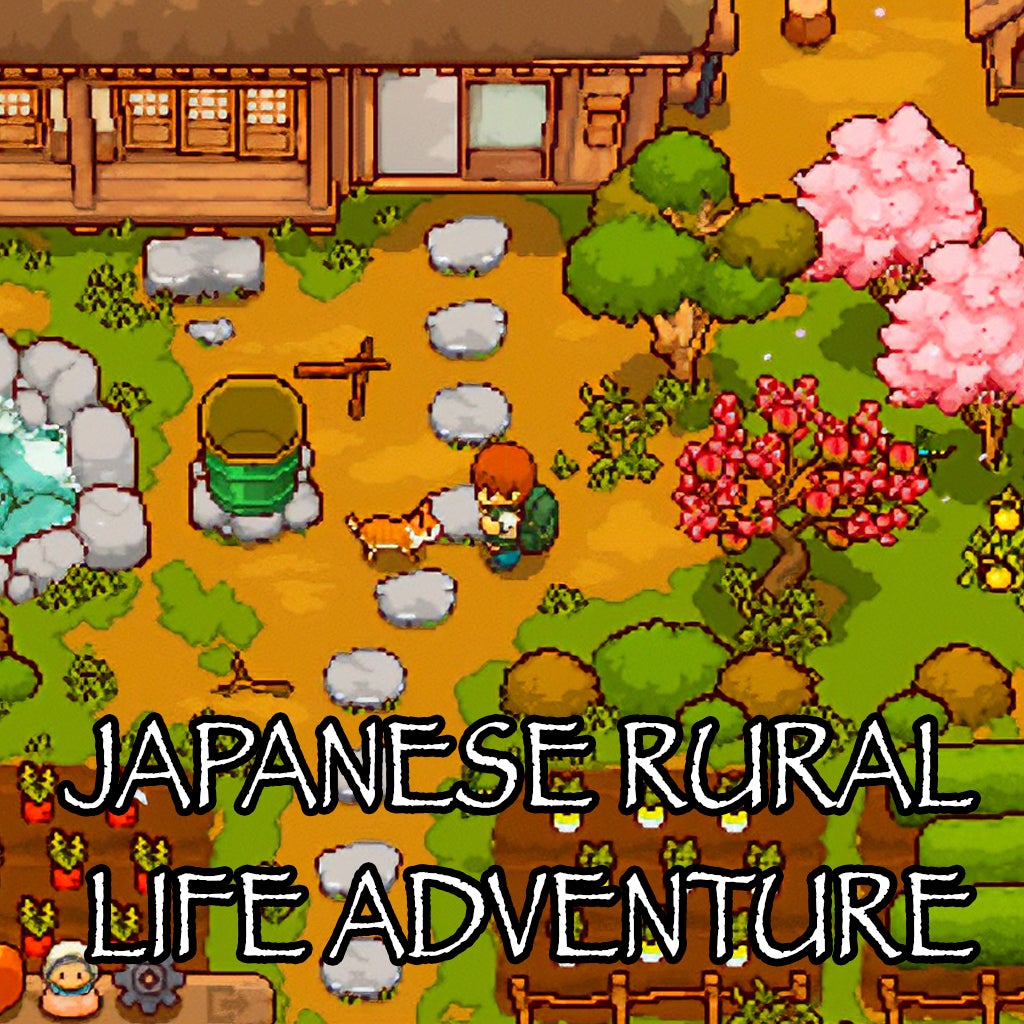
Over the past decade, cosy simulation games have become one of the most loved genres in gaming. Titles that prioritise relaxation, routine, and personal creativity have captured the interest of players seeking something calmer than conventional action-packed experiences.
Japanese Rural Life Adventure, developed by GAME START LLC, fits perfectly within that movement. Originally released through Apple Arcade in 2023, the game quickly gained a following for its gentle pacing and lovingly crafted portrayal of rural Japanese life.
Now, with its arrival on PC and Nintendo Switch in early March 2026, the game has reached a much broader audience.
At its core, Japanese Rural Life Adventure is about stepping away from the bustling city and embracing a simpler lifestyle in the countryside. Players move into an old traditional house, restore the surrounding land, and gradually build a self-sufficient life through farming, cooking, crafting, and community engagement.
While comparisons to Stardew Valley and Animal Crossing are inevitable, this game sets itself apart through its strong emphasis on Japanese culture and seasonal traditions.
The result is less of a farming simulator and more of a peaceful cultural experience.
A New Life in the Countryside
The adventure begins with the player arriving in a quiet rural village after leaving the city behind.
Your new home is a traditional minka, an old Japanese countryside house that has clearly seen better days. The building needs repairs, the yard is overgrown with weeds, and basic household necessities must be restored before life can truly begin.
These early tasks serve as a tutorial for the game’s systems.
Players learn how to clear land, gather resources, repair parts of the house, and gradually transform the property into a comfortable home.
Rather than rushing players through these activities, the game encourages patience. Everything progresses slowly and methodically, reinforcing the theme of a peaceful rural lifestyle.
Farming, Cooking, and Self-Sufficiency
Like most life simulation games, farming plays a major role in daily activities.
Players can grow crops, harvest vegetables, and look after small plots that supply food and ingredients. However, Japanese Rural Life Adventure focuses more on self-sufficiency rather than just crop production.
Many everyday items must be produced manually.
Players gather wood for heating baths, prepare rice by hand, and craft essential ingredients such as:
- Miso
- Soy sauce
- Salt
These elements foster a deeper connection between the player and their surroundings.
Cooking is also notably detailed. Meals can be prepared using traditional techniques around an irori hearth, a classic sunken fireplace found in traditional Japanese homes.
The act of cooking becomes more than a simple menu selection — it feels like a rewarding extension of the farming and gathering systems.
Living with the Seasons
One of the most impressive aspects of Japanese Rural Life Adventure is how strongly it embraces the natural rhythm of the seasons.
Each season introduces new events and cultural traditions inspired by real-life rural Japan.
For example:
- Spring brings blooming cherry blossoms and scenic countryside walks.
- Summer introduces lively festivals and village celebrations.
- Autumn focuses on harvest traditions and seasonal foods such as roasted sweet potatoes.
- Winter slows things down, with quiet snowy landscapes and temple bells marking the arrival of the New Year.
The game’s calendar system encourages players to experience the full cycle of rural life.
Rather than rushing toward goals, players are invited to appreciate the gradual passage of time.
A Village Community
Although the game emphasises solitude and reflection, the surrounding village still plays an important role.
Various villagers populate the area, each with their own personalities and small requests for help.
Players might assist with repairing old structures, reopening closed shops, or helping residents restore parts of the village that have fallen into disrepair.
These interactions help breathe life into the community and gradually unlock new areas to explore.
While the characters are relatively simple compared to those found in narrative-heavy RPGs, they contribute to the sense that the village is slowly returning to life.
Activities Beyond Farming
Farming and cooking may form the core of the gameplay loop, but Japanese Rural Life Adventure offers plenty of additional activities to keep players busy.
Some of the most enjoyable include:
- Fishing in nearby rivers and ponds
- Bug catching during seasonal events
- Foraging for wild plants and ingredients
- Crafting tools and household items
These activities help maintain variety while reinforcing the game’s theme of living in harmony with nature.
Importantly, there is no combat system. The game remains focused entirely on peaceful activities and exploration.
Pixel Art Presentation
Visually, the game stands out due to its beautifully detailed pixel art style.
Every element of the environment is thoughtfully designed, from the delicate paper patterns of shoji screens to the vibrant pink petals of cherry blossom trees.
The pixel art successfully captures both warmth and authenticity.
Traditional architecture, seasonal landscapes, and everyday objects all feel carefully crafted.
Even small environmental details — such as lantern light reflecting in the evening or falling autumn leaves — help bring the countryside setting to life.
Sound & Atmosphere
The audio design enhances the game’s peaceful atmosphere.
Soft background music accompanies daily routines without becoming a distraction. Natural sounds like wind through trees, flowing water, and distant temple bells build an immersive environment.
The soundtrack subtly shifts with the season and time of day, emphasising the passage of time.
Along with the game’s slow pace, the sound design helps create a deeply relaxing experience.
Pacing & Longevity
One of the most notable features of Japanese Rural Life Adventure is its vast amount of content.
The developers estimate over 100 hours of potential gameplay, owing to the numerous activities, missions, and seasonal events scattered throughout the game.
However, the pacing is deliberately slow.
Players expecting constant progression or rapid rewards may find the deliberate rhythm challenging at first.
But for those willing to adopt the slow-life philosophy, the extended timeframe becomes one of the game’s greatest advantages.
Pros & Cons
Pros
- Beautiful pixel art and authentic rural atmosphere
- Deep focus on Japanese cultural traditions
- Relaxing gameplay with no combat or pressure
- Detailed crafting and cooking systems
- Huge amount of content and seasonal events
Cons
- Very slow pacing may not suit all players
- Limited narrative depth
- Some gameplay tasks can become repetitive
Final Verdict
Japanese Rural Life Adventure is more than just another farming simulator.
By grounding its gameplay in authentic Japanese traditions and seasonal rituals, the game creates a uniquely peaceful experience that feels both personal and culturally rich.
The slow pace and focus on everyday activities may not appeal to players seeking fast-paced gameplay or dramatic storylines. But for those willing to embrace its quiet rhythm, the game offers a deeply satisfying escape into countryside life.
From growing rice fields to preparing homemade miso, every activity reinforces the game’s core theme: the joy of simple living.
It’s a beautiful reminder that sometimes the most rewarding adventures are the quietest ones.