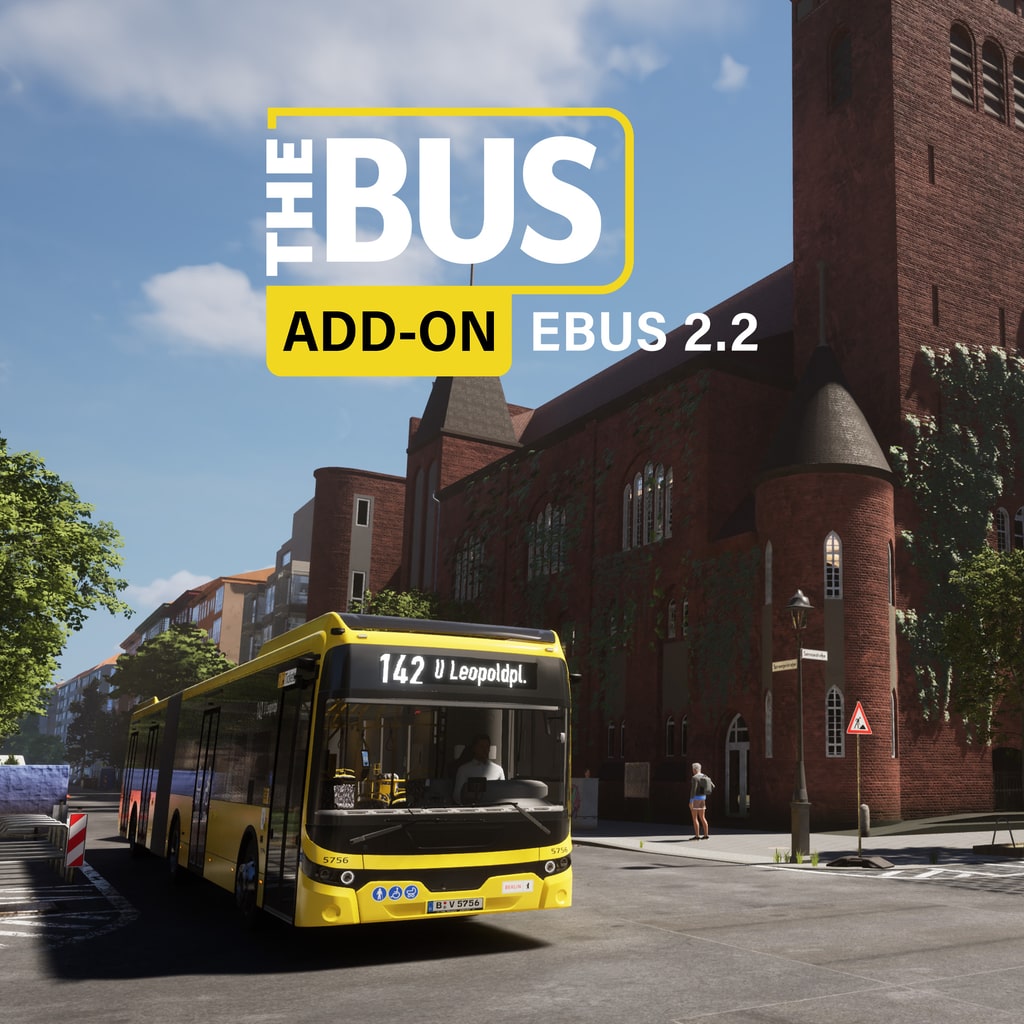
There is something strangely satisfying about driving a bus. It is not glamorous, rarely exciting in the traditional gaming sense, and nobody is going to mistake pulling into a Berlin bus stop for saving the world from an ancient evil. Yet there is a particular satisfaction in getting everything right. Pulling away smoothly, judging a tight corner, stopping precisely where you should, and watching passengers climb aboard can become surprisingly absorbing. The Bus has always understood that appeal, and Ebus 2.2 takes that familiar experience into a quieter, cleaner, and considerably more modern direction.
Developed by TML Studios and published by Aerosoft, The Bus: Ebus 2.2 is a fleet expansion rather than a major new gameplay experience, but that does not mean it lacks substance. This DLC introduces a fully electric city bus in both 12-metre solo and 18-metre articulated configurations, with several versions to choose from depending on the kind of route you want to operate. It is the sort of addition that will probably appeal most strongly to existing fans of The Bus, but for those players, there is plenty here to enjoy.
A New Kind of Bus
The star of the show is the Ebus 2.2 itself. Available as a 12-metre solo vehicle or an 18-metre articulated bus, it offers four configurations, ranging from the relatively compact two-door solo model to the large four-door articulated version. That variety is more important than it might initially sound, because these buses feel suited to different jobs. A quieter route through the city feels perfectly matched to the smaller vehicle, while the articulated version looks and feels at home when you are dealing with heavy passenger traffic.
The attention to detail is exactly what you would expect from The Bus. This is not simply a new model dropped into the existing game with a different colour scheme and a new engine sound. The exterior has the sort of modern, practical appearance you would expect from a contemporary electric city bus, while the interior has been given plenty of attention too. You can configure the bus to suit your preferences, making the DLC feel like a proper addition to your fleet rather than a single novelty vehicle.
It is also worth remembering that this is a simulation, so small details matter. The positioning of doors, mirrors, displays and controls all contribute to the feeling that you are operating an actual piece of public transport rather than driving a generic vehicle around a computer-generated city. That authenticity is where The Bus has always found much of its appeal, and Ebus 2.2 fits neatly into that philosophy.
Silence Is Golden
The most striking difference when climbing behind the wheel of an electric bus is the sound. Anyone accustomed to the rumble and mechanical noise of traditional buses will immediately notice how different the Ebus 2.2 feels. The electric drivetrain is remarkably quiet, especially when pulling away from a stop, and that changes the character of the entire journey.
There is still plenty to hear, of course. Passengers chatter inside the cabin, doors make their familiar mechanical noises, and the bus’s various systems provide their own subtle soundtrack. Yet there is no constant roar from a conventional engine dominating everything. Instead, the experience becomes calmer, which makes the little details more noticeable.
The electric power delivery is another welcome change. There is an immediate response when you accelerate, giving the Ebus 2.2 a smoothness that suits a modern urban vehicle. It does not make driving effortless, though, because you still need to judge your speed, anticipate traffic and handle the articulated model’s considerable size. The difference is that the power feels clean and controlled rather than heavy and mechanical.
Four Buses in One
Four configurations give this DLC more flexibility than you might expect. The 12-metre bus comes in two- and three-door versions, while the 18-metre articulated model offers three- and four-door layouts. These differences affect passenger flow and capacity, making the choice of the right bus for a particular route part of the fun.
The largest configuration can accommodate up to 150 passengers, making it particularly useful on busy routes where the smaller vehicle would quickly become overwhelmed. There is something satisfying about seeing a packed bus pull away from a stop, knowing you have chosen the right tool for the job. It sounds like a small thing, but simulation games live or die by these little decisions.
Range is another important consideration. Depending on the configuration, the Ebus 2.2 can travel up to 600 kilometres, giving you plenty of freedom when planning routes. Charging is handled via a CCS connector, adding another little touch of realism for players who enjoy the operational side of public transport rather than simply driving from A to B.
Mirrors or Cameras?
One of the more interesting features is the option to replace traditional exterior mirrors with the MirrorEye camera system. Instead of relying entirely on conventional mirrors, you can use high-definition cameras mounted on the sides of the vehicle, with their feeds displayed on monitors inside the cab.
It takes a little getting used to, but that is part of the appeal. The split-screen displays sit around the A-pillars, giving you a very different perspective when checking what is happening alongside the bus. On a long articulated vehicle, where judging your surroundings can already be challenging, having that extra visual information can be particularly useful.
The CornerEye system provides another view of the area around the front and sides of the vehicle. This is exactly the kind of feature that simulation fans tend to appreciate because it is not simply there to make the bus look futuristic. It can actually affect how confidently you manoeuvre the vehicle, particularly when navigating tight streets or busy junctions.
A Proper Modern Interior
The Ebus 2.2 feels just as convincing inside as it does outside. LED lighting, air conditioning, electric heating and a heat pump all contribute to the sense that this is a modern public transport vehicle rather than an old bus dressed up for a new generation. There are USB ports for passengers, too, which feels like a small but believable detail in a contemporary city bus.
The cockpit is where the simulation really earns its keep. There is something enjoyable about settling into the driver’s seat, checking your surroundings and preparing to leave the stop before slowly building up speed. You are not simply pressing an accelerator and steering. The more detailed controls encourage you to think like a driver rather than a traditional video game player.
That is probably the best way to describe the entire experience. Ebus 2.2 is not trying to turn The Bus into an action game. It is doubling down on the quiet satisfaction of doing a job properly, and there is a surprising amount of pleasure to be found in that.
Berlin Has Never Felt So Quiet
The 1:1 recreation of Berlin remains an important part of The Bus experience, and the Ebus 2.2 feels particularly well suited to it. The modern electric vehicle looks completely at home on the city’s streets, amid traffic and architecture. Watching the scenery roll past while the nearly silent drivetrain hums away is remarkably relaxing.
Night driving is particularly atmospheric. The digital mirror displays become more interesting when visibility is reduced, and the combination of street lighting, reflections and the modern interior gives the bus a distinctly contemporary feel. Rainy conditions also offer a chance to appreciate the additional camera systems, although they do not magically remove the challenges of driving a large vehicle in poor weather.
There is a nice contrast between Berlin’s scale and the relatively intimate experience of sitting behind the wheel. You might be transporting dozens of passengers through a huge city, but your attention remains focused on the next stop, the next junction and the next turn. It is strangely calming when everything comes together.
Not Just a Pretty Bus
The biggest compliment I can pay Ebus 2.2 is that it does not feel like a purely cosmetic DLC. The different body lengths and door configurations genuinely give you options, while the electric drivetrain changes the character of the driving. The camera systems add something useful rather than simply being there for marketing purposes, and the interior systems reinforce the feeling that you are operating a modern vehicle.
Of course, this is still a relatively specialised expansion. If you have no interest in detailed bus simulation, there is very little here that is going to suddenly convince you otherwise. This is not a DLC designed to transform The Bus into something completely new. Instead, it takes an existing simulation and adds another carefully constructed vehicle for players who enjoy spending time behind the wheel.
That is perfectly fine. Not every expansion needs to reinvent its parent game. Sometimes adding a well-made new vehicle with enough detail and flexibility to make it feel genuinely different is exactly what a simulation needs.
The Verdict
The Bus: Ebus 2.2 is a welcome addition to TML Studios’ Berlin simulator. The four configurations offer enough flexibility to make the expansion feel worthwhile, while the fully electric drivetrain gives the driving experience a noticeably different character. The MirrorEye and CornerEye camera systems are particularly nice touches, and the detailed interior helps maintain the sense that you are operating a real modern city bus.
There is something almost therapeutic about the Ebus 2.2 once you settle into its rhythm. The quiet electric motor, gentle acceleration, steady stream of passengers and familiar streets of Berlin combine to create an experience that is surprisingly relaxing. It is still a serious simulation, and mistakes will quickly remind you that an 18-metre articulated bus does not exactly turn on a sixpence, but that is precisely where much of the enjoyment comes from.
For existing fans of The Bus, this is an easy recommendation. It adds a modern electric option that looks the part, sounds appropriately restrained and drives differently enough to justify spending more time exploring Berlin. It may not appeal to anyone looking for excitement, but that misses the point. Sometimes the joy is simply in doing a mundane job exceptionally well.