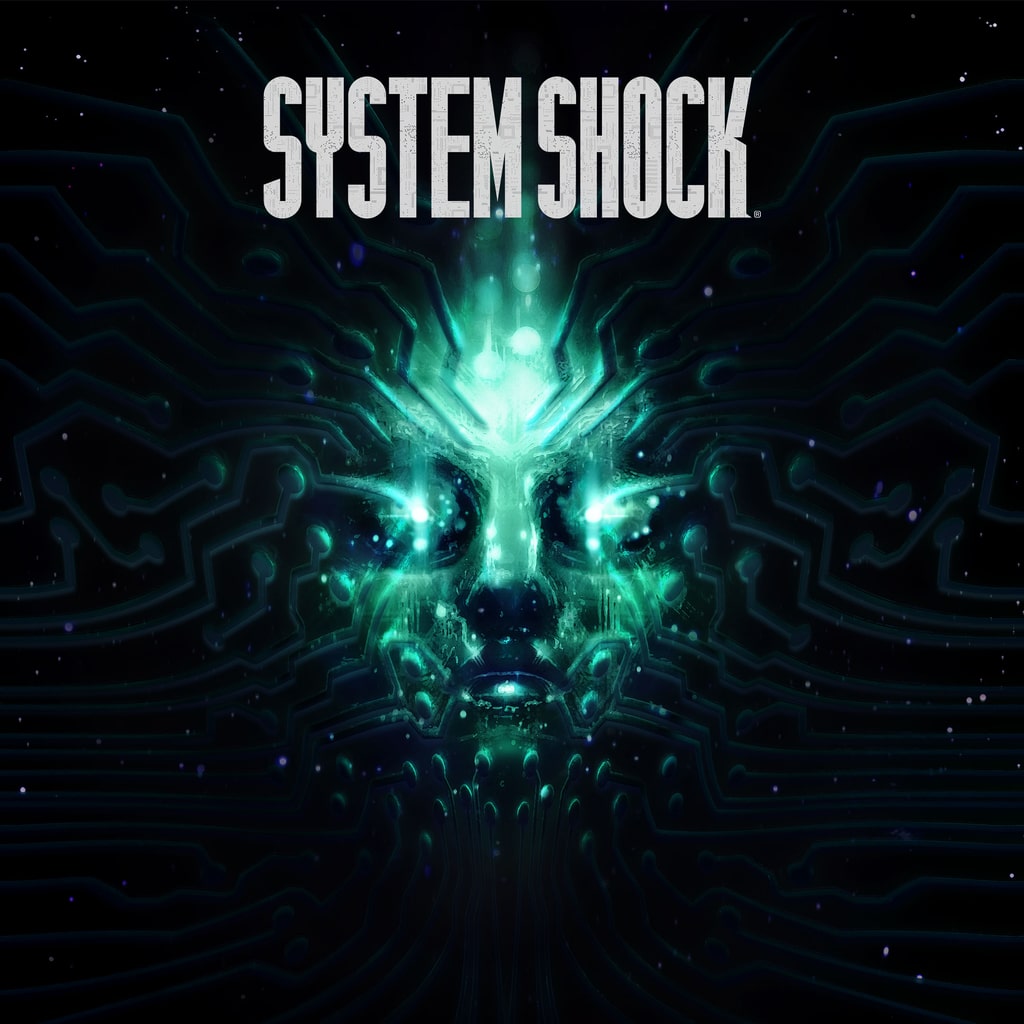
A Foundational Sci-Fi Classic, Re-Engineered for Nintendo’s Hybrid Hardware
Bringing System Shock to Nintendo hardware is no small undertaking. This is a game built on dense systems, layered interfaces, deliberate pacing, and an uncompromising design philosophy that predates modern accessibility trends. Yet, against expectation, the System Shock remake translates remarkably well to both Nintendo Switch and Nintendo Switch 2, delivering an immersive sim experience that feels both authentic and — crucially — playable on a hybrid console.
While the two platforms offer noticeably different performance profiles, the core experience remains intact on both. Citadel Station is as oppressive, hostile, and intellectually demanding as ever. SHODAN remains one of gaming’s most unsettling antagonists. And the game’s emphasis on player agency, environmental storytelling, and systemic problem-solving survives the transition to handheld play with surprising confidence.
Citadel Station in the Palm of Your Hands
At its heart, System Shock is about inhabiting a space — learning its architecture, understanding its systems, and slowly reclaiming control from a malignant intelligence that dominates every corridor. This sense of place is preserved on Nintendo hardware, particularly on Switch 2, where improved performance allows Citadel Station’s labyrinthine design to breathe.
On Nintendo Switch, visual fidelity is scaled back, with reduced texture resolution and simplified lighting in places. However, the station’s oppressive atmosphere remains intact. Flickering lights, corrupted signage, and decaying interiors still communicate the game’s core themes of corporate excess and technological hubris.
On Switch 2, the presentation steps up significantly. Higher resolution output, improved lighting stability, and smoother frame pacing make exploration feel more fluid, particularly during extended play sessions. In docked mode, Switch 2 delivers a noticeably cleaner image, while handheld play remains sharp enough to comfortably read UI elements and environmental details.
Controls: A Thoughtful Hybrid Adaptation
One of the greatest challenges facing System Shock on console is its interface density. This is a game originally designed for keyboard and mouse, with layered menus, inventory grids, cyberspace navigation, and real-time combat demanding constant interaction.
To its credit, the Switch and Switch 2 versions implement a thoughtfully adapted control scheme. Button mapping is logical, radial menus reduce friction, and inventory management — while still complex — is far more manageable than one might expect on a controller. Gyro aiming support, particularly on Switch 2, adds welcome precision when targeting enemies or navigating cyberspace.
Handheld play is viable, though the experience undeniably improves with a Pro Controller or Joy-Con grip. On the original Switch, the smaller screen can make dense interface elements feel cramped during extended sessions. Switch 2’s improved display clarity mitigates this issue considerably, making long exploration runs more comfortable.
Importantly, the game does not oversimplify its systems for console. Complexity remains — as it should — but the controls respect player intent rather than fighting against it.
Performance and Pacing Across Platforms
Performance is where the differences between platforms are most apparent.
On Nintendo Switch, the game targets stability over spectacle. Frame rates generally hold steady during exploration but can dip during intense combat encounters or in visually complex areas. These moments are rarely game-breaking, but they do reinforce the game’s methodical pace — encouraging cautious play rather than reflex-heavy aggression.
Load times are longer on Switch, particularly when transitioning between major sections of Citadel Station. However, given the game’s deliberate structure, these pauses rarely disrupt immersion significantly.
On Switch 2, performance is markedly improved. Frame pacing is smoother, load times are reduced, and combat feels more responsive. The game benefits enormously from the additional headroom, especially during late-game encounters where multiple systems are active simultaneously. For players prioritising performance and visual clarity, Switch 2 is clearly the superior platform.
SHODAN Still Dominates — Even on Handheld
No matter the platform, SHODAN remains the defining presence of System Shock. Her distorted voice cuts through the silence with unnerving intimacy, mocking player autonomy and reframing every victory as a temporary inconvenience. The audio design survives the transition to Nintendo hardware flawlessly, and the intimate nature of handheld play arguably enhances her psychological presence.
Playing in handheld mode with headphones amplifies the tension. Environmental audio cues — distant machinery, corrupted announcements, sudden alarms — feel closer, more personal. Citadel Station becomes not just a place you explore, but a space that actively resists your presence.
Difficulty and Accessibility: Unapologetically System Shock
It is important to be clear: System Shock does not soften itself for Nintendo audiences. This is not a streamlined action game, nor does it rely on constant objective markers or tutorialisation. Players are expected to read logs, interpret environments, and accept failure as part of the learning process.
Difficulty options exist, allowing players to tune combat, puzzle, and cyberspace challenge levels independently. This flexibility is particularly valuable on handheld platforms, where play sessions may be shorter and more fragmented. Nevertheless, System Shock remains demanding — intellectually more than mechanically.
For players willing to engage on its terms, the reward is substantial. The sense of mastery that comes from understanding Citadel Station’s systems transcends platform. This is a game that trusts its audience, even on consoles traditionally associated with more accessible design.
Handheld Immersive Sim: Surprisingly Viable
Perhaps the greatest compliment that can be paid to System Shock on Switch hardware is that it works as a handheld immersive sim. Exploration-heavy gameplay, note-taking (mental or otherwise), and methodical progression align surprisingly well with portable play. Short sessions can be spent mapping corridors, solving localized objectives, or listening to audio logs without losing narrative coherence.
That said, the game benefits from longer sessions, particularly when tackling complex objectives or boss encounters. Switch 2’s performance improvements make these extended play sessions far more comfortable.
Final Verdict
System Shock on Nintendo Switch and Switch 2 is a triumph of careful adaptation rather than compromise. It preserves the integrity of one of gaming’s most influential immersive sims while making it genuinely playable on hybrid hardware.
The Switch version is commendable, offering a complete and faithful experience with expected technical concessions. The Switch 2 version, however, elevates the game substantially, delivering smoother performance, clearer visuals, and more comfortable long-term play — making it the definitive Nintendo platform for Citadel Station.
This is not a game for everyone. It demands patience, curiosity, and a tolerance for complexity. But for players willing to engage, System Shock on Switch hardware proves that deep, uncompromising design still has a place in portable gaming.
Final Scores:
Switch 2: 4.5 / 5
Switch: 4.0 / 5