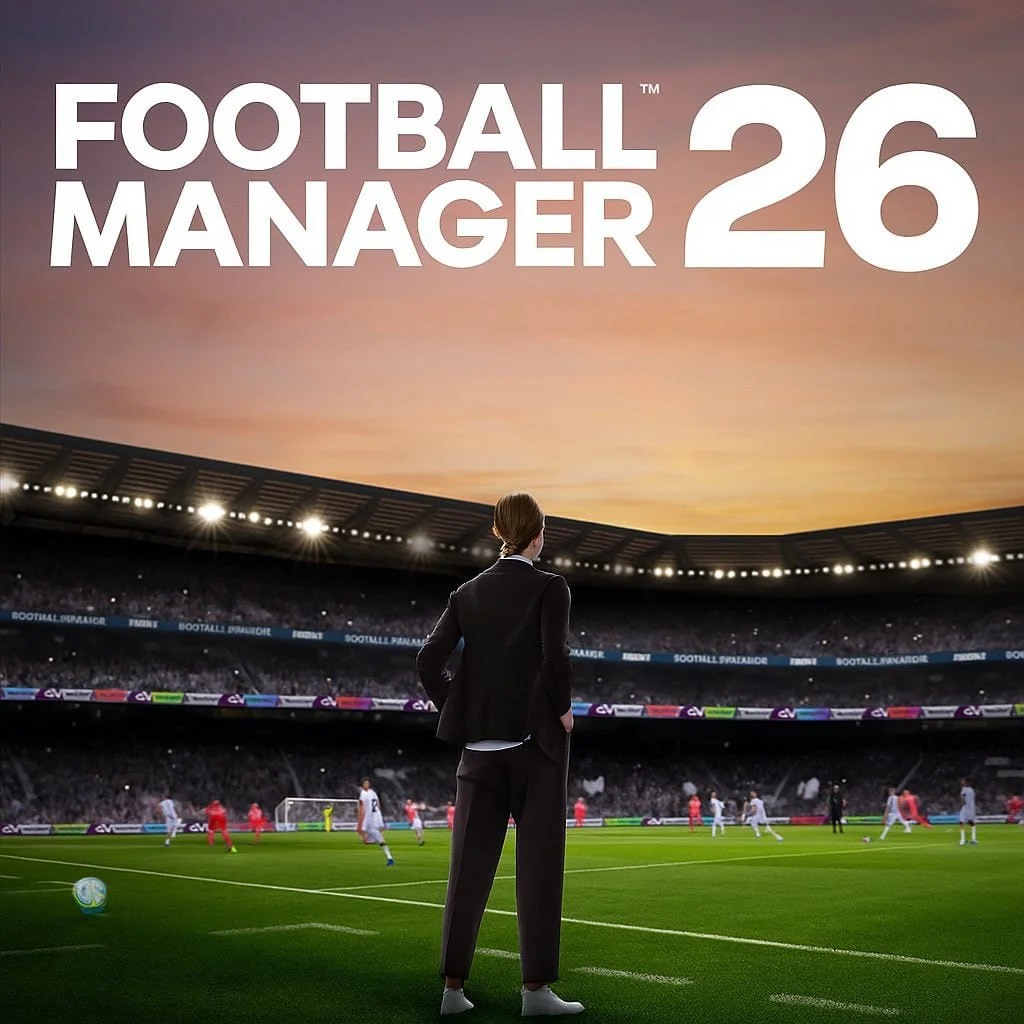
For two decades, Football Manager has been the go-to simulation for fans who crave the tactical thrill and stress of running a football club. Now, after the unprecedented cancellation of FM25, Sports Interactive returns with its most ambitious evolution yet. Football Manager 2026, releasing November 4, 2025, marks not just an update—but a rebuild from the ground up. Powered by the Unity engine, featuring women’s football for the first time, and boasting official Premier League licensing, FM26 aims to redefine football management for a new generation.
A New Engine, A New Vision
The biggest headline this year is the switch to Unity, a monumental technical move after more than two decades on Sports Interactive’s proprietary engine. This leap promises faster UI performance, snappier transitions, and dynamic matchdays rendered in true 3D for the first time in series history. Players can expect smoother player animations, improved stadium atmospherics, and reworked lighting that makes evening matches feel almost televised.
Sports Interactive emphasizes realism as the driving philosophy. The new engine enhances ball physics and introduces advanced motion capture, giving matches authentic movement—players turn, tackle, and celebrate with believability unseen in past releases.
The Matchday Revolution
Matchdays are no longer static spreadsheet experiences; FM26 wants them to feel alive. The Unity shift allows camera angles that resemble broadcast TV, dynamic replays for key moments, and a deepened tactical layer during live play. Managers can switch seamlessly between touchline commands, real-time analysis, and newly integrated assistant recommendations, which now adjust adaptively based on opponent behavior rather than fixed presets.
Another evolution is the Matchday Momentum Bar, a visual graph tracking team control and fatigue levels minute by minute. Combined with an upgraded xG and defensive structure viewer, managers can finally visualize when pressure builds or collapses—a long-requested feature for data-driven players.
Women’s Football Arrives
After years of anticipation, Football Manager 26 finally introduces women’s football leagues. Sports Interactive’s inclusion arrives with dedicated motion systems and data models built specifically for the women’s game, not copied from the men’s engine. Early previews suggest a refined scouting model to reflect player versatility and fitness considerations that differ subtly but importantly from the men’s systems.
Initially, major European leagues such as the Women’s Super League (England) and Division 1 Féminine (France) are confirmed, with more to follow through post-launch updates. Tactical depth remains consistent—the same training programs, morale systems, and financial management simulators apply across both game modes, reinforcing FM’s “one football world” philosophy.
The Premier League Partnership
FM26’s Premier League license brings another long-requested change: authentic club crests, kits, and stadium likenesses for all 20 teams. It might seem aesthetic, but the immersion boost is immense. Licensed branding extends to dynamic broadcast packages and post-match graphics, mirroring the style of real Premier League coverage. It’s the first time the series has captured the league’s full audiovisual identity, signaling Sports Interactive’s intent to align the franchise closer to its EA Sports rivals.
Smarter Transfers, Realistic AI
Beyond visuals, FM26 deepens its simulation heart. A new Football Intelligence Framework overhauls the AI managers who populate your world. Opposing coaches now adapt tactics over multiple seasons, using formational data from past encounters to challenge players’ strategic consistency. Agents have greater personality variance, occasionally cancelling negotiations if their clients feel “unfairly sidelined”—a small but impactful touch of realism.
The transfer market itself now mirrors the volatility of real-world football. Inflation-driven wage battles, FFP constraints, and generational talent cycles replicate the unpredictability dominating modern sport. Expect shock free transfers, recruitment wars over academy stars, and fluctuating market behavior across continents.
The Manager’s World Rebuilt
For the player-manager experience, Football Manager 26 introduces a redesigned User Interface inspired by modern analytics dashboards. Bookmarks allow instant toggling between tactical views, squad morale, and scouting networks. Color-coded alerts streamline what used to be information overload; even long-time fans will find career mode less fatiguing to navigate.
Customization has evolved too. You can now define your “manager profile type”—for instance, a youth developer, tactical innovator, or authoritarian disciplinarian—which subtly adjusts how press, staff, and players perceive you. Off the pitch, expanded interactions with staff make the managerial hierarchy deeper. The once-static backroom meetings now feature multi-threaded dialogue options, allowing delegation and power struggles to naturally unfold.
Cross-Platform Expansion
FM26 cements Football Manager’s transformation into a fully ecosystem-based series. The main PC/Mac release launches November 4, followed by Touch for Switch and Mobile exclusively through Netflix on the same day, with the Switch version arriving December 4. Full console parity on PS5 and Xbox Series X/S ensures that cross-platform saves and cloud progression are now standard—closing the gap between desktop and living-room management.
The Apple Arcade version benefits from cross-play saves, letting players jump between iPad sessions on the go and full desktop campaigns seamlessly. This ecosystem unification was long overdue, underscoring SI’s vision for FM26 as both portable and persistent.
Accessibility and New Players
Recognising FM’s reputation for complexity, SI adds a Guided Manager Mode for newcomers. Tutorials now unfold dynamically depending on progress rather than front-loading explanations. The assistant manager doubles as a smart AI mentor, providing optional hints without overwhelming the experienced player base. This balance between depth and approachability could open the gates for thousands of first-time managers ready to test their tactics.
The Verdict So Far
Early reactions from preview builds suggest FM26 is both daring and disruptive. Its adoption of Unity breathes needed visual freshness, while its expanded licenses and women’s leagues make it the most inclusive entry in franchise history. Yet adaptability will be key—longtime players must relearn systems, from scouting feedback to in-game analytics.
For a series often critiqued for iteration, Football Manager 2026 feels revolutionary. It’s not just another seasonal refresh—it’s a foundational reboot aimed at the next decade of football simulation. The matches look sharper, the tactics sting deeper, and for the first time in years, the future of Football Manager feels genuinely unpredictable.
Come November, the whistle will blow on a new era. Whether leading grassroots champions or global powerhouses, every decision, every substitution, and every touchline rant will mean more than ever before. The manager’s seat has never looked so alive.