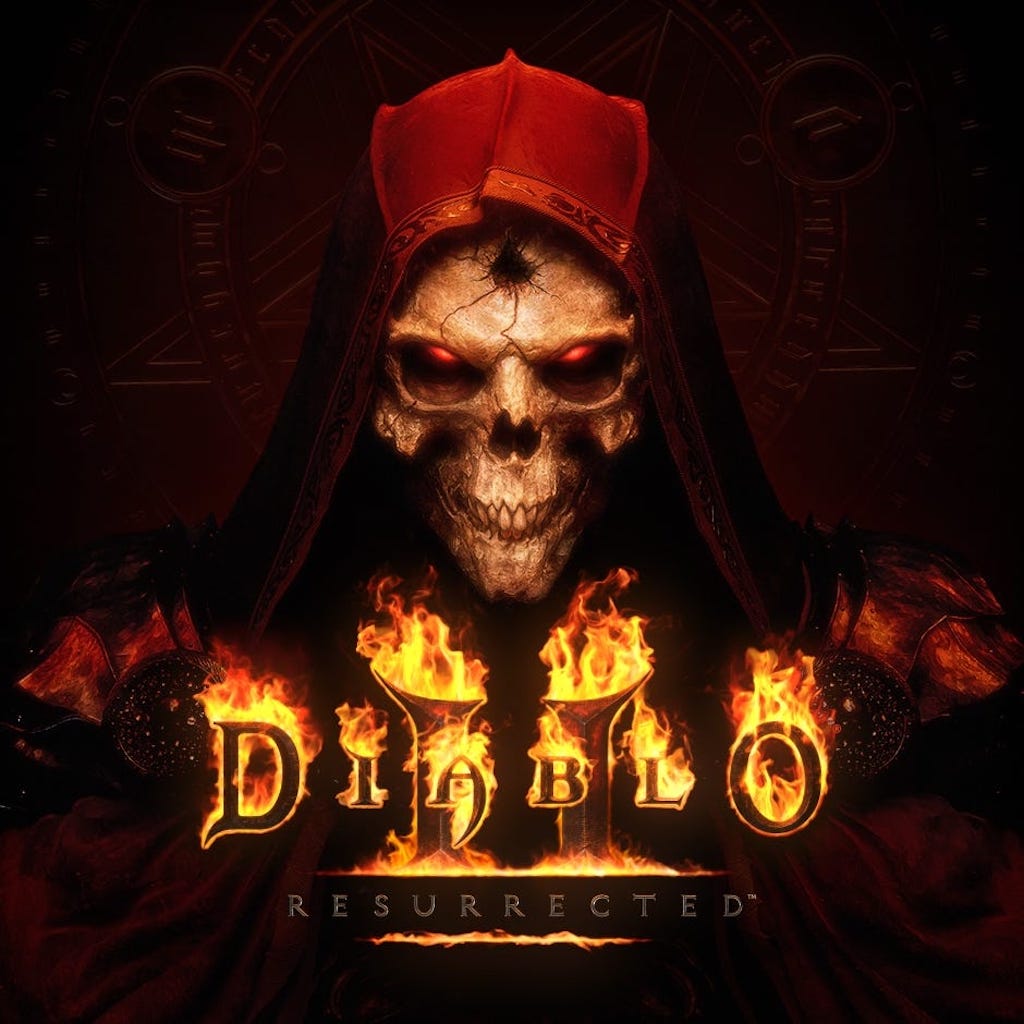
Released February 11, 2026, Diablo II: Resurrected – Infernal Edition is both a celebration and a calculated risk. It bundles the acclaimed remaster of Diablo II and its Lord of Destruction expansion with the brand-new Reign of the Warlock DLC—introducing the first new class to Diablo II in over two decades.
For a game that helped define the action RPG genre, adding a new class in 2026 feels almost rebellious. Yet Blizzard Entertainment hasn’t reimagined Diablo II. It has refined it—carefully, deliberately, and with an eye toward preserving the brutal magic that made it timeless.
The result is an edition that feels both nostalgic and daring.
A Classic That Still Cuts Deep
At its core, Diablo II remains one of the most tightly constructed ARPG experiences ever made. The descent from the Blood Moor to the Worldstone Chamber still delivers escalating dread. Loot still drops with intoxicating unpredictability. Hardcore mode still induces genuine anxiety.
The Resurrected remaster already modernized visuals while preserving gameplay fidelity. Infernal Edition builds on that foundation rather than altering it.
Sanctuary looks as grim and oppressive as ever—gothic ruins drenched in shadow, burning villages under hellish skies, and cavernous dungeons lit by flickering torches. Animations remain faithful to the original pacing. Combat retains its deliberate rhythm. This isn’t a modernization that chases speed—it honors tension.
The Warlock: A 20-Year Gamble
The headliner addition is the Warlock, the first new class introduced to Diablo II since 2001.
This was always going to be controversial territory. Diablo II’s class identity is sacred to many. But remarkably, the Warlock feels like it belongs.
It features three distinct skill trees:
Demon
Rather than simply summoning minions like the Necromancer, Demon focuses on enslaving hellspawn and binding them as twisted allies. The fantasy leans into domination rather than resurrection. Your battlefield becomes a chaotic hierarchy of controlled infernal forces. The distinction is subtle but meaningful—this isn’t about raising corpses, it’s about subjugating demons.
Eldritch
The most unconventional path, Eldritch channels forbidden mental magics into weapons, transforming ordinary arms into devastating conduits. Melee builds infused with arcane energy feel fresh without abandoning Diablo II’s stat-driven backbone. It blurs the line between caster and warrior in intriguing ways.
Chaos
Chaos unleashes fire and shadow from afar. It’s the most traditional caster archetype within the Warlock kit, yet it carries a volatile feel. Spells emphasize risk and positional awareness. Damage spikes are satisfying but demand smart mana management.
The class doesn’t overshadow existing archetypes—it complements them. That restraint is critical. Blizzard avoided power creep that would trivialize legacy classes.
Eight Classes, Endless Builds
With the Warlock’s arrival, Infernal Edition now features eight classes, each capable of wildly divergent builds.
More importantly, the DLC introduces new Unique items, runewords, and sets that don’t just cater to the Warlock—they invigorate classic classes.
Paladins receive new synergy possibilities. Sorceresses gain alternative endgame routes. Barbarians benefit from rebalanced scaling options. The buildcraft ecosystem feels alive again.
And that’s before you reach the updated endgame.
Endgame Reinvented Without Being Reinvented
Diablo II has always thrived on replayability. Infernal Edition sharpens that edge.
The updated Terror Zones expand unpredictability, rotating difficulty and encouraging varied farming routes. The new Colossal Ancients fight stands out as a brutal, mechanics-driven encounter that demands coordination in multiplayer and thoughtful build optimization in solo play.
Difficulty scaling tweaks prevent late-game stagnation. Enemies hit harder, but not unfairly. Survivability feels earned.
Perhaps the most quietly transformative addition is the Chronicle system. It tracks account-wide item collections, rewarding completionists with exclusive bonuses. For a loot-driven game, this meta-layer adds purpose beyond raw stat accumulation.
Grinding now feeds both character power and long-term collection goals.
Quality of Life: The Game-Changer Updates
If there’s one area where Infernal Edition earns universal praise, it’s quality-of-life improvements.
The customizable Loot Filter dramatically reduces screen clutter. Players can prioritize item tiers, hide irrelevant drops, and tailor their farming experience. For veteran players accustomed to drowning in text overlays, this feels revolutionary.
Stash management also sees major upgrades. Dedicated tabs for gems, materials, and runes eliminate the micromanagement nightmare of mule characters and endless inventory shuffling.
These changes respect Diablo II’s original design philosophy while smoothing its roughest edges. It feels like modernization without compromise.
Multiplayer and Longevity
Eight-player co-op remains intact and chaotic in the best way. Large-scale battles feel appropriately epic. Loot competition retains its tension unless adjusted through party agreements.
Early Steam user reception sits around 86% “Very Positive,” reflecting strong community approval—particularly around the Warlock’s distinct identity and QoL improvements.
Server stability has held steady during launch, with minimal reported issues. That alone is notable given Diablo’s history with day-one congestion.
Where It Holds Back
Infernal Edition is bold, but it’s not transformative.
Players hoping for entirely new acts or narrative expansions may find the DLC’s scope focused primarily on class and endgame evolution rather than story content. The Warlock’s introduction doesn’t dramatically alter the main campaign arc.
Combat pacing remains faithful—meaning slower and more methodical than modern ARPGs like Diablo IV or Path of Exile. For some, that’s a strength. For others, it may feel dated.
Yet these are intentional design choices. Diablo II’s identity lies in its deliberate tempo.
Final Verdict
Diablo II: Resurrected – Infernal Edition is a masterclass in careful expansion.
By introducing the Warlock—its first new class in over 20 years—Blizzard could have destabilized a genre cornerstone. Instead, it delivered a class that feels authentic, balanced, and thoughtfully integrated.
The endgame enhancements deepen replayability without undermining the original’s grind philosophy. The Chronicle system adds long-term purpose. The Loot Filter and stash improvements modernize the experience in ways that feel essential rather than intrusive.
Infernal Edition doesn’t reinvent Diablo II. It strengthens it.
For veterans, it’s a compelling reason to return to Sanctuary. For newcomers, it’s arguably the definitive way to experience one of gaming’s most influential ARPGs.
Hell hasn’t changed—but how you conquer it has.