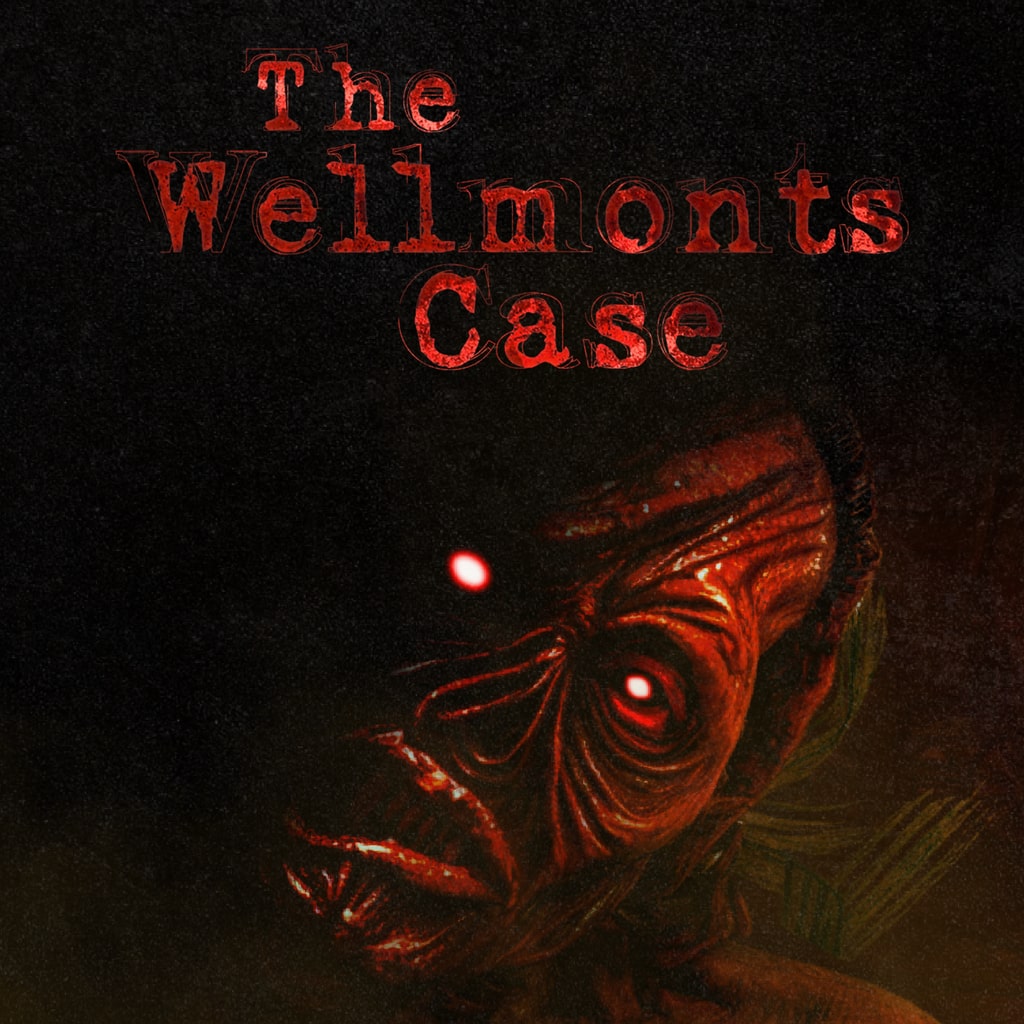
Psychological horror often works best when it feels small—one location, one mystery, one uneasy mind trying to make sense of something it shouldn’t. The Wellmonts Case, developed and published by Zakym, embraces that philosophy completely. Set in 1993 in the lonely backwoods of Northern Maine, the game casts you as a private detective investigating the unexplained disappearance of the Wellmont family. What begins as a routine missing-persons case slowly curdles into something far more disturbing.
There are no shotguns, no hordes of monsters, no bombastic set pieces. Instead, there is a decaying farmhouse, a camera, and the creeping realization that you may not want to know what happened here after all.
Gameplay
At its heart, The Wellmonts Case is an investigation simulator with horror seasoning. You move through the property in first person, examining rooms, collecting documents, and photographing anything that might serve as evidence. The camera isn’t just a gimmick; many puzzles require you to capture specific angles or reveal details invisible to the naked eye.
Exploration feels methodical rather than frantic. Doors are unlocked through observation instead of key hunts, and progress depends on piecing together fragments of the family’s life: letters half-burned in the stove, children’s drawings, medical records that don’t quite add up. The game trusts the player to pay attention.
Puzzles are grounded in logic, rarely abstract. You’ll align photographs with clues, reconstruct timelines, and occasionally manipulate simple machinery around the farm. None are especially difficult, yet they serve the narrative well, making you feel like a genuine detective rather than a protagonist solving videogame riddles.
Crucially, the game avoids combat altogether. Tension comes from atmosphere and implication. When something does move in the corner of your eye, it feels meaningful rather than routine.
Story & Writing
The narrative is the star. Set firmly in the early ‘90s, the game uses its period effectively—clunky tape recorders, Polaroid photos, and pre-internet isolation all reinforce the vulnerability of the setting. The Wellmont family emerges through scattered artifacts rather than exposition dumps, allowing players to build their own understanding of who these people were.
As the investigation deepens, the tone shifts from melancholic to sinister. Without spoiling specifics, the script touches on themes of religious obsession, generational trauma, and the kind of small-town secrets that fester for decades. The line between psychological breakdown and supernatural influence remains deliciously blurred.
Dialogue is minimal but believable, and the protagonist’s internal notes provide just enough personality without overexplaining. The final act delivers revelations that are unsettling rather than sensational, respecting the slow burn that precedes them.
Atmosphere & Audio
If there’s one reason to play The Wellmonts Case, it’s the atmosphere. The farmhouse feels genuinely abandoned—floors creak with convincing irregularity, wind presses against loose shutters, and distant animal sounds echo through empty fields. The sound design is superb, using silence as effectively as noise.
Music appears sparingly, often as low drones that tighten the chest rather than obvious scare stings. Headphones are practically mandatory; many of the game’s best moments rely on subtle directional cues that make you hesitate before turning a corner.
Graphics & Visuals
Visually the game opts for restrained realism. Textures are slightly grainy, colors washed as if by years of dust, perfectly matching the 1993 setting. The camera mechanic adds a layer of diegetic immersion—reviewing photographs in your inventory feels tangible, like sifting through actual evidence.
Character models, when they appear, can be a little stiff, and some environmental assets repeat more than ideal. Yet these limitations rarely break immersion thanks to strong lighting and art direction.
Pacing & Length
The experience is intentionally tight, lasting roughly three to four hours. This brevity works in its favor; the story never meanders, and dread builds consistently toward the conclusion. There’s little reason to replay beyond catching missed documents, but the single journey feels complete.
A few players may wish for alternate endings or deeper branching, though the linear structure supports the carefully authored narrative Zakym is telling.
Technical Performance
On PC and consoles the game runs smoothly with minimal loading. Interaction prompts can be finicky in cramped spaces, and subtitles occasionally lag behind audio, but these are minor blemishes. Save system checkpoints are generous enough to prevent frustration.
Pros
- Outstanding atmosphere and sound design
- Grounded, believable investigation mechanics
- Strong period setting
- Thoughtful, unsettling story
- No reliance on cheap jump scares
Cons
- Limited replay value
- Some visual stiffness
- Occasional interaction quirks
Verdict
The Wellmonts Case is a quiet triumph of psychological horror. By focusing on investigation instead of action, Zakym crafts a mystery that feels personal and plausibly human, even when it edges toward the uncanny. It won’t satisfy players seeking constant adrenaline, but those who enjoy slow, thoughtful dread will find a haunting experience that lingers long after the credits.