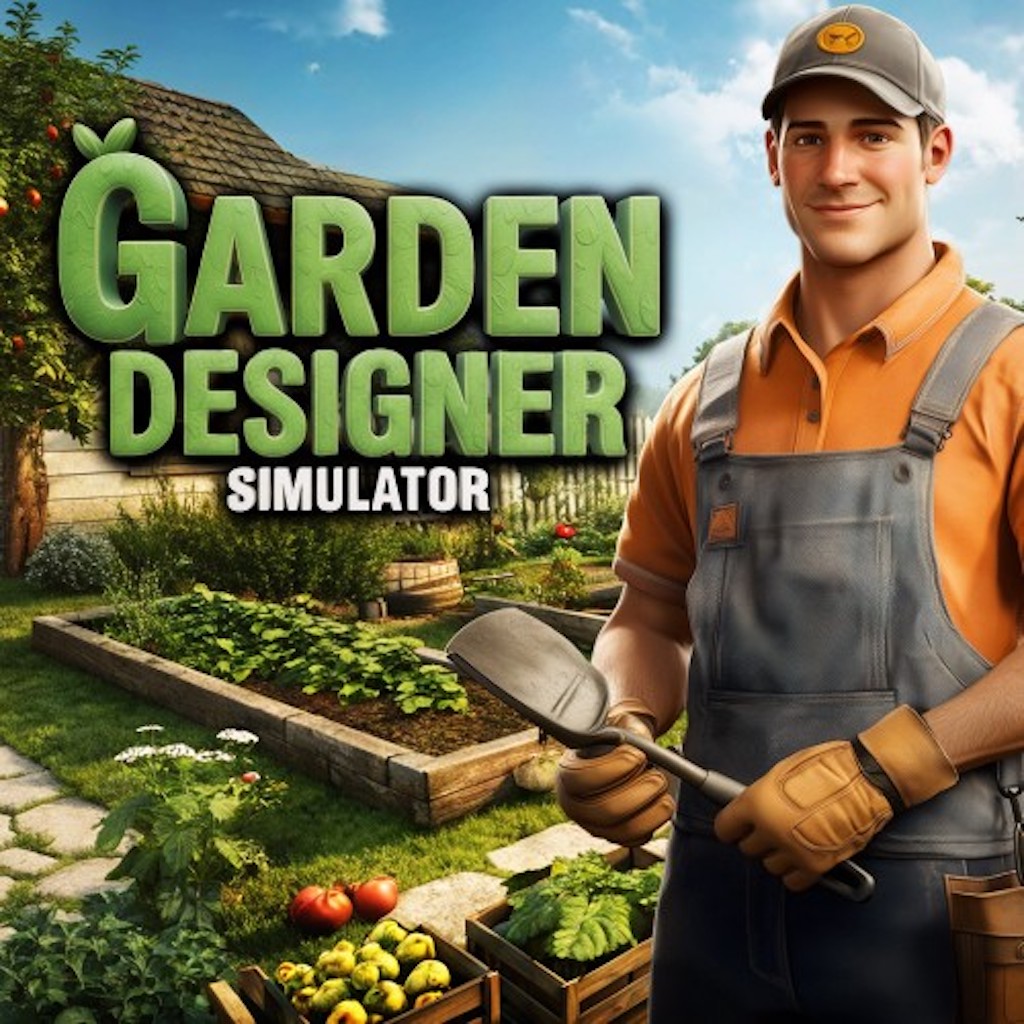
Simulation games often ask players to become builders, managers, or entrepreneurs juggling endless systems and spreadsheets. Garden Designer Simulator takes a much gentler approach. Rather than overwhelming players with complex mechanics or demanding schedules, it invites them into a peaceful world where the biggest concerns are whether that hedge needs trimming or those flowers could use a little water.
Developed and published by RioverseGames, Garden Designer Simulator arrives on Nintendo Switch as a budget-friendly gardening experience centred on creativity, restoration, and relaxation. Drawing inspiration from games such as House Flipper and PowerWash Simulator, it transforms ordinary maintenance into a surprisingly satisfying gameplay loop. The result is a cosy title that understands exactly what its audience is looking for: a chance to slow down, tidy up, and watch something beautiful take shape. It may not have the depth or polish of bigger simulation releases, but Garden Designer Simulator’s sincerity makes it easy to appreciate.
Starting From Scratch
The game begins modestly. You inherit a small property with its own garden and greenhouse, which serve as both your home base and a showcase for your growing skills. Early missions introduce the fundamentals through a series of straightforward jobs for local residents. Lawns need mowing, weeds need pulling, hedges require trimming, and neglected fences are crying out for fresh paint.
These opening hours serve as a tutorial, but they never feel overly restrictive. Instead, they establish a comfortable rhythm that persists throughout the experience. There is something inherently satisfying about arriving at a chaotic garden and gradually restoring order, one task at a time.
Unlike many simulators that bombard players with objectives and management systems, Garden Designer Simulator keeps its focus narrow. Every task feels purposeful, and the simplicity of the design helps maintain the game’s relaxing atmosphere.
Finding Joy In The Routine
The heart of Garden Designer Simulator lies in its maintenance work. Mowing grass, trimming shrubs, watering flowers, and repairing fences may sound mundane on paper, yet the game succeeds because it understands the appeal of visible progress.
Each completed task transforms the environment in meaningful ways. Overgrown lawns become neat green carpets. Dead corners burst with colour after new flowers are planted. Broken fences regain their charm with a fresh coat of paint. Watching these transformations unfold creates a genuine sense of accomplishment.
The game wisely avoids unnecessary complexity. Controls remain straightforward, allowing players to focus on gardening rather than wrestling with menus. Swapping between tools is quick and intuitive, making it easy to move seamlessly between jobs.
That accessibility makes the game particularly well suited to handheld play. It feels perfectly comfortable as something you pick up for twenty minutes before bed or during a quiet afternoon.
Growing More Than Flowers
One of the more enjoyable additions is the greenhouse system. While relatively simple compared to dedicated farming simulations, it adds an extra layer of progression beyond customer contracts.
Players can cultivate flowers and vegetables, nurturing them over time before selling them for profit or incorporating them into future landscaping projects. It creates a pleasant sense of ownership over your gardening career. Rather than simply purchasing everything from a shop, you actively contribute to the beauty of future gardens through your own cultivation.
The greenhouse also gives your home garden additional importance. Improvements feel more personal when they are built using plants you have grown yourself. This helps create a stronger connection to your property and reinforces the game’s cosy atmosphere.
Although experienced farming simulation fans may find the mechanics somewhat basic, they fit comfortably within the overall design philosophy.
Designing Your Perfect Outdoor Space
Beyond maintenance lies creativity. As your reputation grows, new decorative options become available, allowing you to personalise gardens with statues, pathways, ornaments, and outdoor furnishings.
The placement system is refreshingly user-friendly. Decorative items snap neatly into place, reducing the frustration often associated with console-building mechanics. Creating attractive layouts becomes less about precision and more about experimentation.
This is where Garden Designer Simulator reveals its strongest qualities. While maintenance tasks provide structure, decoration allows for personal expression. Every player can approach a garden differently, choosing distinct styles and layouts that reflect their tastes.
The ability to continually improve your personal property further strengthens this aspect of the game. Returning home after completing jobs and using newly unlocked items to enhance your own garden creates a rewarding sense of progression.
A Relaxing World To Wander
Visually, Garden Designer Simulator adopts a bright, inviting aesthetic that suits its tone perfectly. Rather than chasing realism, the game embraces colourful environments filled with cheerful greenery and vibrant flowers.
The graphical presentation is modest, given the game’s budget price point, but it rarely feels lacking. Gardens are pleasant to look at, and the visual transformations remain satisfying throughout the experience. Watching a neglected patch of land evolve into a thriving outdoor retreat never loses its appeal.
The audio design deserves praise as well. Gentle background music accompanies the action without becoming repetitive, while the sounds of lawnmowers, watering cans, and garden tools help establish a calming atmosphere.
Together, the visuals and sound create a surprisingly effective escape from everyday stress. Few games ask so little of the player while providing such consistent comfort in return.
Where The Weeds Begin To Show
For all its strengths, Garden Designer Simulator has limitations. The biggest issue arises once players reach the game’s open-ended stage.
Randomised contracts ensure there is always work available, but repetition eventually becomes unavoidable. After enough hours, similar garden layouts and familiar objectives begin to reappear. While the decorating options add variety, the underlying structure remains largely unchanged.
Players seeking deep landscaping systems or extensive simulation mechanics may also find the experience too lightweight. The game prioritises accessibility above all else, sometimes at the expense of complexity.
There are moments when additional gardening systems, weather effects, or more advanced design tools could have elevated the experience considerably. As enjoyable as the current package is, there remains a sense that the concept could grow into something much larger. Fortunately, the game’s modest ambitions prevent these shortcomings from becoming major frustrations.
Final Verdict
Garden Designer Simulator succeeds because it knows exactly what it wants to be. It does not try to compete with massive farming simulators or ultra-detailed management games. Instead, it delivers a focused, accessible, and remarkably soothing experience centred on the simple pleasure of making things look better than you found them.
The gardening tasks remain satisfying, the progression loop keeps you engaged, and the decoration systems offer just enough creative freedom to encourage personal expression. While repetitive mission structures and limited long-term depth prevent it from reaching greater heights, its charm and relaxing atmosphere make those shortcomings easy to overlook.
For players seeking a cosy simulation that can be enjoyed in short bursts or longer sessions alike, Garden Designer Simulator offers a lovely little escape. Sometimes all you need is a lawnmower, a handful of flowers, and a garden waiting to bloom.