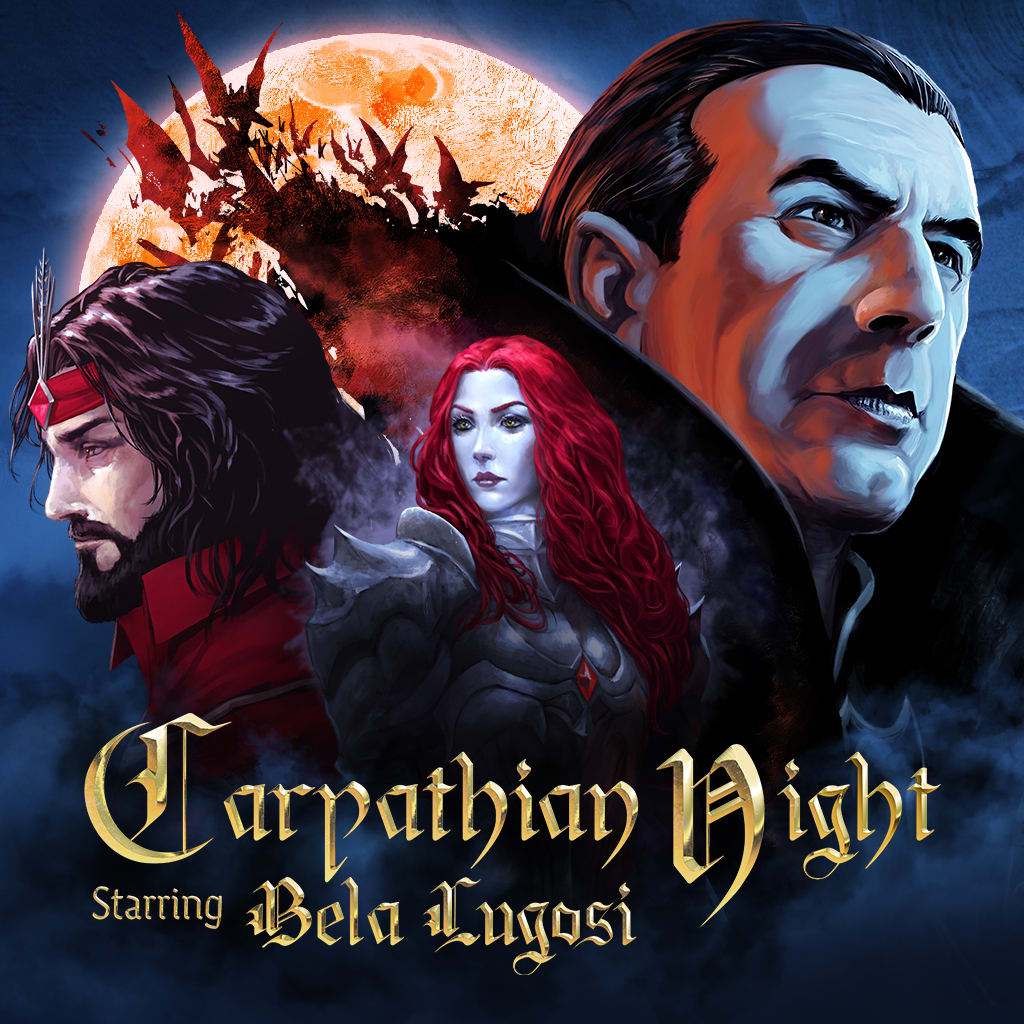
There is something comforting about a game that knows exactly what it wants to be. In an era when retro-inspired titles often feel compelled to reinvent the genres they celebrate, Carpathian Night Starring Bela Lugosi takes a different path. It looks back to the glory days of gothic action platformers and simply asks: what if someone made a new Castlevania-style adventure with modern conveniences but old-school conviction?
The answer is a game that feels lovingly crafted, occasionally rough around the edges, yet undeniably passionate. Developed by Tezcatek and created in partnership with Lugosi Enterprises, Carpathian Night combines classic monster-movie iconography, challenging side-scrolling action, and a distinctly old-school approach to level design. While the famous Bela Lugosi connection proves less substantial than the title suggests, the game itself delivers a satisfying journey through one of gaming’s most beloved genres.
A Journey Through the Land of Night
Set in Transylvania in 1451, Carpathian Night wastes little time establishing its premise. Dracula’s forces have spread across the Carpathian Mountains, corrupting villages and raising armies of monsters. The world stands on the brink of eternal darkness, and two unlikely heroes step forward to challenge the Prince of Vampires.
The first is Abbot Dorin, a warrior monk whose faith is matched only by his combat prowess. The second is Irina Dracul, a vampire and pyromancer with a complicated connection to Dracula’s bloodline. Together, they embark on a dangerous crusade through haunted forests, cursed settlements, and eventually the halls of Castle Dracula itself.
The narrative isn’t particularly deep, but it doesn’t need to be. Like the best action platformers of the 16-bit era, the story serves primarily as a framework for the adventure. What lifts it slightly above genre expectations is the inclusion of lore entries and background details that flesh out the game’s monsters and world. These small additions help create a richer atmosphere without slowing the pace.
Most importantly, the game understands the appeal of gothic horror. Every stage feels steeped in classic monster-movie imagery. Werewolves lurk in moonlit forests, ghosts drift through abandoned corridors, and grotesque creatures emerge from the darkness with unsettling regularity. It feels like stepping into a playable love letter to Universal Horror films and classic vampire fiction.
Two Heroes, Two Playstyles
The heart of Carpathian Night lies in its dual protagonists. Dorin and Irina are not mere cosmetic swaps. They fundamentally change how the game feels to play.
Dorin specialises in spear combat, offering greater reach and directional flexibility. His attacks reward careful positioning and methodical play. He feels sturdy, reliable, and well suited to players who enjoy controlling space and anticipating enemy movements.
Irina, meanwhile, feels more traditionally aligned with the genre’s history. Armed with a whip and devastating fire magic, she offers a faster, more aggressive combat style. Her pyromancy adds another layer of tactical depth, allowing players to approach encounters differently depending on the situation.
This distinction does more than add replay value. It genuinely changes the rhythm of the adventure. Certain enemies and bosses feel dramatically different depending on which character you choose, encouraging experimentation and giving the game a stronger identity than many retro throwbacks.
Combat itself strikes an impressive balance between accessibility and challenge. Enemy placement often feels deliberately cruel, as only classic platformers can, yet deaths rarely feel unfair. Success depends on observation, timing, and learning enemy behaviour rather than reflexes alone.
Old-School Challenge Without Old-School Frustration
One of the smartest decisions Carpathian Night makes is recognising which aspects of retro design merit preservation and which should remain in the past. The game embraces demanding platforming, punishing traps, and difficult boss encounters. Precision matters. Carelessness is punished. Progress must be earned rather than handed out freely.
Yet it avoids many of the frustrations that plagued its inspirations. Infinite lives and generous checkpoints ensure that failure never becomes exhausting. Losing to a difficult boss means trying again moments later rather than replaying half a stage. This simple adjustment dramatically improves the overall experience without diminishing the sense of accomplishment.
Boss battles deserve particular praise. Dracula’s commanders provide memorable encounters that test different aspects of the combat system. Some demand patience and careful positioning, while others encourage aggression and quick reactions. The variety helps maintain momentum throughout the campaign and ensures that new challenges continue to emerge.
That said, newcomers may occasionally be confused. The game offers very little onboarding. Mechanics, upgrades, and weapon systems are introduced with minimal explanation. Veteran players will likely appreciate the trust placed in them, but less experienced players may spend some time experimenting before everything clicks into place.
Pixelated Gothic Beauty
Visually, Carpathian Night succeeds because it understands restraint. Rather than chasing hyper-detailed pixel art, it embraces a cleaner 16-bit aesthetic that evokes the golden age of gothic action games.
The environments are rich in atmosphere. Storm clouds gather over ruined villages. Flickering torchlight illuminates castle corridors. Dense forests create a constant sense of unease. Every location reinforces the feeling that you are venturing deeper into enemy territory.
Character sprites are expressive and well animated, while enemy designs draw heavily on classic horror traditions. Zombies shamble across graveyards. Gargoyles swoop from castle walls. Each creature feels like it belongs in this world.
The soundtrack deserves equal recognition. Its energetic chiptune compositions immediately evoke memories of the genre’s greatest classics while establishing a distinct identity. The music drives the action forward, creating excitement during combat and tension during exploration. More than once, a particularly memorable track elevated an already strong level into something genuinely special.
The Bela Lugosi Question
It is impossible to discuss Carpathian Night without addressing the most prominent name in its title. The involvement of Bela Lugosi’s estate certainly adds novelty value. Seeing the legendary actor officially represented in a video game is historically significant and undeniably intriguing. Unfortunately, the implementation feels surprisingly limited.
Despite receiving top billing, Lugosi’s likeness appears only briefly. The game contains a handful of visual references and a brief audio inclusion, but nothing approaching the substantial role the title might lead players to expect.
This doesn’t harm the game itself, but it does create a disconnect between marketing and reality. Players hoping for a deep celebration of Lugosi’s legacy may leave disappointed. The classicvania gameplay stands on its own merits, but the licence feels more like a decorative flourish than a defining feature.
Final Verdict
Carpathian Night, starring Bela Lugosi, succeeds because it understands what made classic gothic action-platformers so enduring. Tight combat, memorable bosses, atmospheric environments, and rewarding challenges form the foundation of an experience that feels nostalgic yet refreshingly sincere.
Its limited use of the Bela Lugosi licence feels like a missed opportunity, and the lack of tutorials may frustrate some newcomers. Even so, these issues are minor compared with the strength of the core adventure. The game respects its inspirations without becoming trapped by them, offering a polished and enjoyable journey through a beautifully realised world of monsters and myth.
For fans of classic Castlevania, retro action games, and gothic horror, this is an easy recommendation. The night may be dark, Dracula may be waiting, and death may lurk around every corner, but Carpathian Night proves that some old legends still have plenty of life left in them.