Prison settings have long been fertile ground for storytelling, from classic films to gripping television dramas. Yet in video games, the concept of life behind bars is surprisingly rare, especially when explored through the lens of a deep role-playing game. Back to the Dawn sets out to change that, delivering a narrative-driven RPG built around survival, investigation, and escape inside a maximum-security prison.
Originally launching on PC and Xbox Series X|S in July 2025 before arriving on Nintendo Switch and Switch 2 on 5 March 2026, Back to the Dawn blends detective storytelling, social simulation, and strategic RPG mechanics into an experience that feels both unusual and ambitious.
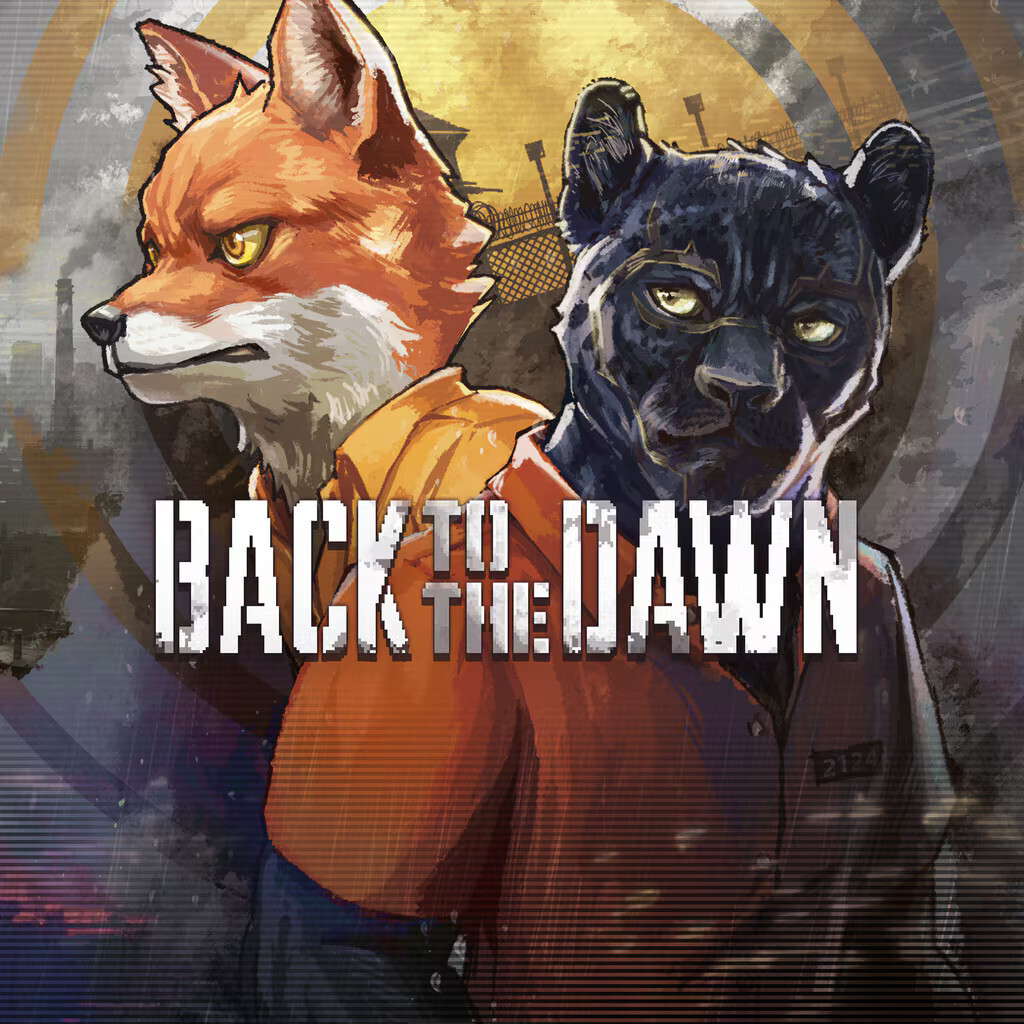
Set in a world of anthropomorphic animals, the game casts players as either Thomas the Fox, a journalist framed for exposing corruption, or Bob the Panther, an undercover investigator infiltrating the prison system. Both storylines unfold within Boulderton Prison, where rival gangs rule the cell blocks and hidden conspiracies threaten to reach far beyond the prison walls.
The result is a surprisingly deep RPG built around daily routines, faction politics, and the constant struggle to survive long enough to uncover the truth.
Life Behind Bars
Back to the Dawn immediately stands out due to its prison life simulation.
Instead of rushing players toward a quick escape attempt, the game highlights the daily realities of life inside Boulderton Prison. Each day follows a structured timetable filled with meals, work tasks, recreation, and mandatory inspections.
Within this strict framework, players must carefully manage their time. Activities such as exercising, studying, or socialising help improve character attributes like Strength, Agility, Intelligence, and Charisma.
These stats are crucial throughout the game. Conversations, quests, and investigations often involve dice-roll-style skill checks, similar to tabletop RPG systems. A high Intelligence score might enable you to decipher hidden clues, while Charisma may assist in persuading other inmates to share information.
This structure turns routine prison life into a strategic puzzle. Every choice—who to talk to, what activity to undertake, which gang to join—gradually influences the character’s abilities and future prospects.
A Prison Ruled by Factions
Boulderton Prison is far from an easy environment.
Three major gangs control different sections of the prison, each with its own influence, personalities, and power struggles. Navigating these factions is one of the game’s most engaging aspects.
Players can choose to join a gang, try to stay neutral, or manipulate rival groups against each other. Building relationships with other inmates unlocks new quests, trading opportunities, and protection within the prison hierarchy.
However, alliances come with risks. Helping one faction may enrage another, and reputation can change quickly based on your choices.
The prison is home to 47 unique inmates, each with their own backstories and motivations. Conversations often reveal new questlines or hidden information connected to the broader conspiracy at the story’s centre.
This social simulation element gives Back to the Dawn a strong sense of immersion. The prison feels alive, filled with characters who react dynamically to the player’s actions.
A Story of Corruption and Conspiracy
While the daily life systems form the backbone of the experience, the narrative remains the game’s central driving force.
Both protagonists find themselves trapped in Boulderton Prison due to a larger political conspiracy. Thomas the Fox must gather evidence to prove his innocence, while Bob the Panther seeks to uncover corruption from within.
Across more than 100 quests and over 500,000 words of dialogue, the story unfolds through investigations, secret meetings, and carefully planned missions.
The writing adopts a hardboiled crime tone, reminiscent of noir detective stories. Betrayals, hidden alliances, and political intrigue gradually reveal the deeper forces manipulating events both inside and outside the prison.
Most importantly, player choices have a significant influence on how the story develops. Different decisions can unlock alternative quest paths, shape relationships, and ultimately lead to various possible endings.
The branching narrative structure provides a strong incentive for replaying the game with different strategies or character builds.
Planning the Perfect Escape
Of course, the ultimate goal in Back to the Dawn is escaping from prison.
Instead of offering a single escape route, the game presents multiple approaches. Players might sneak through the sewers, manipulate guards, organise a gang-backed riot, or craft elaborate tools to bypass security systems.
Each escape method requires preparation, resources, and the right connections within the prison.
Crafting plays a vital role in these plans. Players can gather materials, trade with inmates, and assemble tools that help in exploration or infiltration.
The prison itself becomes a complex puzzle. Hidden passages, restricted zones, and overlooked corners may all contain clues or opportunities for escape.
Breaking out successfully feels genuinely rewarding because it demands careful planning over many in-game days.
Visual Style and Presentation
Back to the Dawn uses pixel art visuals that blend retro charm with modern animation techniques.
Character sprites are expressive, and the animal-inspired designs give the game a distinctive identity. The prison environments are detailed enough to clearly depict different areas, from cramped cells and exercise yards to hidden underground tunnels.
Despite its stylised presentation, the game explores serious themes such as corruption, injustice, and institutional power.
The soundtrack complements the atmosphere effectively, combining moody background music with subtle ambient sounds that reinforce the tension of prison life.
Performance on Switch and Switch 2 remains stable, although loading times between certain areas can occasionally disrupt the pacing.
Replayability and Depth
One of Back to the Dawn’s greatest strengths is its remarkable depth.
With two protagonists, dozens of NPCs, and over 100 quests, each playthrough can develop in significantly different ways.
Players may focus on forging alliances, manipulating factions, or honing specific character skills to unlock unique storylines.
Because the game offers several possible escape routes and endings, experimentation naturally becomes an integral part of the experience.
However, the game’s complexity can sometimes feel overwhelming. Juggling schedules, quests, and relationships simultaneously demands attention and patience.
Players seeking a more streamlined RPG experience might find the game’s systems challenging.
Pros & Cons
Pros
- Deep and engaging prison life simulation
- Excellent narrative with branching storylines
- Rich character interactions and faction dynamics
- Multiple escape routes encourage creative strategies
- Strong replay value with different protagonists and endings
Cons
- Complex systems may overwhelm new players
- Some pacing issues during slower prison routines
- Occasional loading interruptions on console versions
- Combat mechanics are relatively simple
Final Verdict
Back to the Dawn is among the most unusual RPGs in recent years.
By blending detective storytelling, social simulation, and strategic character development within a prison environment, the game offers a genuinely fresh experience.
The intricate world of Boulderton Prison, populated with memorable characters and shifting alliances, creates a deeply immersive setting. Players are continually required to evaluate risks, plan carefully, and adapt their strategies as new opportunities arise.
The game’s complexity might not appeal to everyone. Managing daily routines, relationships, and long-term escape plans demands patience and keen attention to detail.
However, for those willing to dedicate the time, Back to the Dawn presents a richly layered RPG filled with intrigue, choices, and suspense.
With its branching narratives, multiple protagonists, and inventive escape mechanics, it stands out as one of the most distinctive story-driven RPGs of the year.